Mexico Green Building Materials Market 2026: $1.2 Billion Opportunity Under the Sustainable Building Law
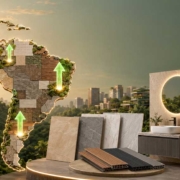
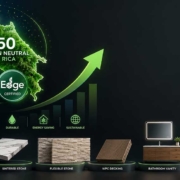
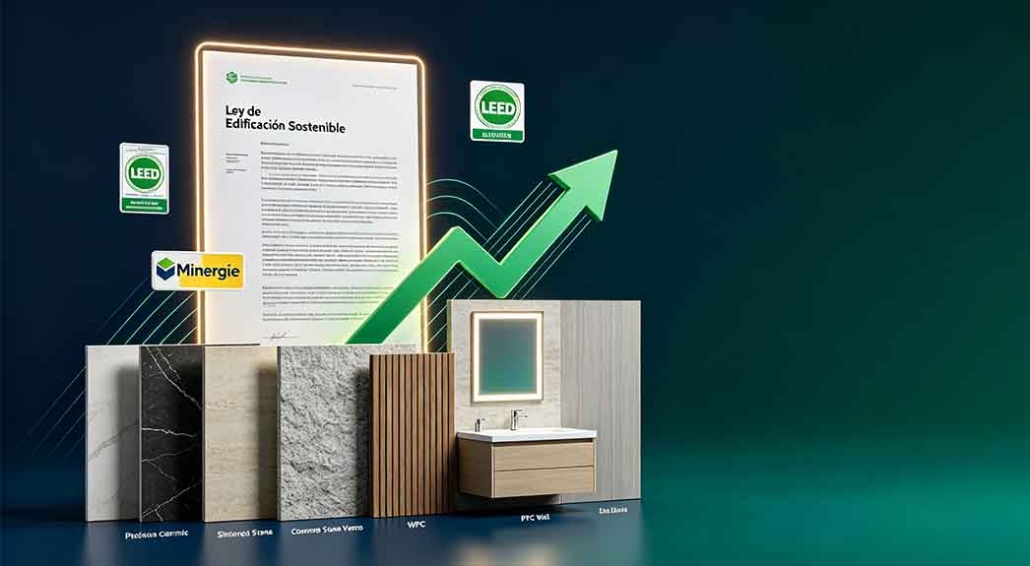
Mexico’s green building materials market is valued at approximately US$1.2 billion and is projected to grow at a CAGR of 11.97% through 2034. In 2023, the government implemented the “Sustainable Building Law,” mandating green materials for all public infrastructure projects — covering roads, bridges, schools, and hospitals. This policy is reshaping procurement and creating a structural entry point for suppliers of ceramic tiles, porcelain tiles, floor tiles, sintered stone, flexible stone veneer, WPC decking, bathroom vanities, and PVC wall panels.
Policy-Driven Market Transformation
Mexico’s Sustainable Building Law requires all public works to use certified green materials, driving sustained demand for compliant products. The NOM-251-SE-2025 steel standard, effective February 2026, imposes mandatory certification requirements on steel imports, signaling stricter compliance across all building material categories. In 2025, Mexico published its “Sustainable Building Green Financing Guide,” reducing capital costs for developers who adopt sustainable materials. Additionally, Minergie was approved as a certification standard for Mexico’s low-carbon building bonds in December 2025, while LEED certification continues to grow — Mexico ranked sixth globally in the USGBC’s 2024 rankings. For suppliers of porcelain tiles with recycled content, sintered stone with responsible sourcing, and low-VOC PVC wall panels, these regulatory tailwinds create immediate and sustained market demand.
Product Opportunities in the Mexican Market
The Mexican market offers substantial opportunities across multiple green building product categories. The lightweight building materials market reached US$6.54 billion in 2025, with recycled steel, cross-laminated timber, and autoclaved aerated concrete in high demand. Hempcrete is projected to grow from US$210 million to US$1.06 billion by 2031 at a 31.2% CAGR.
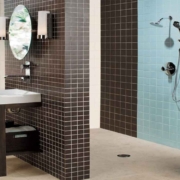
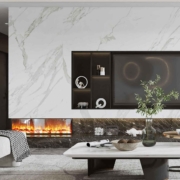
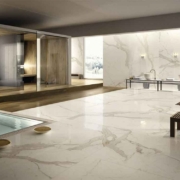
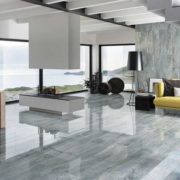
Beyond these, demand is surging for ceramic and porcelain tiles with recycled content and low-emission production, sintered stone and large slab countertops valued for durability and heat resistance, WPC decking and WPC doors for outdoor and resort applications, bathroom vanities, one-piece toilets, and LED mirrors meeting water and energy efficiency requirements, and PVC wall panels and waterproof wall panels offering low-VOC, moisture-resistant solutions for wet areas. As a floor tiles supplier to Latin America or a sintered stone supplier to Mexico, companies that document sustainability credentials will win specifications in government and private projects alike.
What This Means for Chinese Suppliers
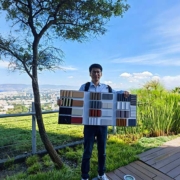
Mexico is a critical export destination for Chinese building material suppliers. Success requires mastering three essentials: understanding Sustainable Building Law compliance documentation, staying ahead of evolving NOM standards, and building localized service capabilities with Spanish-language support. Suppliers of flexible stone veneer, bendable stone panels, WPC decking, bathroom vanities, and waterproof wall panels who invest early in compliance and local partnerships will capture significant market share in this fast-growing market.
Mexico’s green building materials market, valued at US$1.2 billion and growing at nearly 12% CAGR, represents one of Latin America’s fastest-growing opportunities. The Sustainable Building Law, NOM standards, and expanding certification options are creating sustained demand across all product categories. Suppliers who invest in compliance, documentation, and local partnerships will lead this market transformation.