Latin America Green Building Materials Market: From $24.9B to $49.8B – Who’s Driving the Green Revolution?
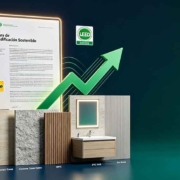
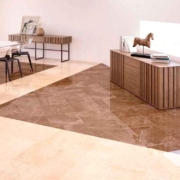
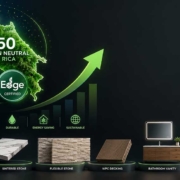
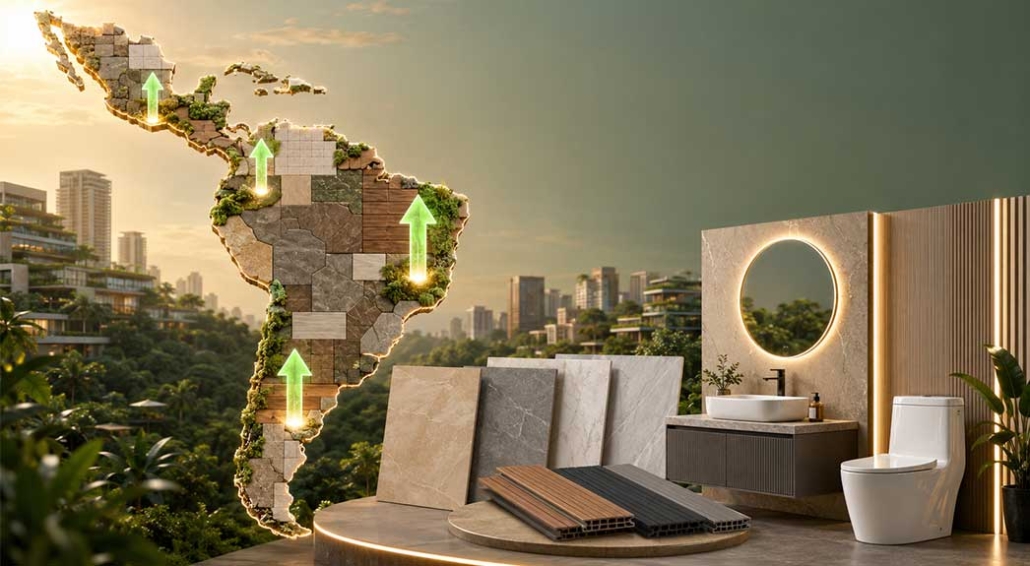
The Latin America green building materials market reached US$24.9 billion in 2025 and is projected to double to US$49.8 billion by 2034, representing a compound annual growth rate of 7.76%. This remarkable growth is fueled by three powerful forces: government regulations mandating sustainable construction, rising environmental awareness among consumers, and strong demand for green materials across residential, commercial, and infrastructure projects. For suppliers of ceramic tiles, porcelain tiles, floor tiles, bathroom vanities, sintered stone, flexible stone veneer, WPC decking, and PVC wall panels, this market expansion represents a significant opportunity to establish a presence in one of the world’s fastest-growing construction regions.
Four Key Drivers of Market Growth
Government Regulations and Sustainability Initiatives
Latin American governments are implementing increasingly stringent building energy codes and carbon reduction policies. Mexico’s Sustainable Building Law (2023) mandates green materials for all public infrastructure projects. Brazil strengthened its ABNT green building standards in 2025, while Colombia’s Resolution No. 0194 of 2025 updated national sustainable construction guidelines. These regulatory frameworks create sustained demand for certified green materials across all construction segments.
Rising Environmental Awareness
Consumers across Latin America are increasingly concerned about the environmental impact of buildings. This awareness is forcing developers to incorporate green materials into their procurement specifications. From energy-efficient LED mirrors and water-saving one-piece toilets to low-VOC waterproof wall panels and recycled-content porcelain tiles, buyers are demanding products that minimize environmental footprint while delivering superior performance.
Urbanization and Population Growth
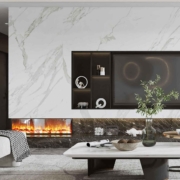
Rapid urbanization across Latin America is generating massive construction demand. As cities expand, green building practices become essential for sustainable urban development. This trend drives demand for sintered stone countertops in new kitchens, flexible stone veneer for architectural facades, and WPC decking for outdoor spaces in residential and commercial projects.
International Capital Pressure
International financial institutions are imposing increasingly strict green financing conditions on Latin American projects. Colombian banks offer 0.5–2% interest rate reductions for LEED or EDGE certified projects, creating a powerful financial incentive for developers to specify certified materials. This trend is accelerating adoption of green building certification systems across the region.
Green Building Practices Across Latin America
Argentina has embraced green building certification, with notable LEED-certified projects including Alvear Tower and GNP Seguros Tower in Buenos Aires. The National Housing Institute has established green building standards that are shaping residential construction practices across the country.
Brazil leads the region in green building adoption, with São Paulo’s 71% of luxury developments holding green certification — surpassing Miami, Los Angeles, and New York. The country’s extensive LEED-certified project portfolio (over 1,000 projects) sets the benchmark for sustainable construction in Latin America.
Peru is integrating renewable energy systems and smart water management into major developments in Lima, demonstrating the region’s growing commitment to holistic sustainability. These projects create demand for sustainable bathroom vanities, water-efficient one-piece toilets, and energy-saving LED mirrors.
Across all these markets, suppliers of ceramic tiles with recycled content, sintered stone with responsible sourcing, flexible stone panels for innovative facades, WPC doors for durable interiors, and PVC wall panels with low emissions are finding growing acceptance.
Green building materials are not a passing trend — they are an established market reality. The US$24.9 billion Latin America green building materials market is just the beginning. By 2034, this market will double to US$49.8 billion. For suppliers of porcelain tiles, floor tiles, sintered stone countertops, bathroom vanities, flexible stone veneer, WPC decking, and waterproof wall panels, the question is not whether to enter this market, but how quickly they can establish green compliance, local partnerships, and supply chain capabilities. The green revolution in Latin American construction is here — and it is accelerating.