Posts

Zero‑Formaldehyde Waterproof Wall Panels – One Container MOQ for Hotels & Schools

Zero-Formaldehyde Waterproof Wall Panels: How to Win Hotel & School Projects with One Container MOQ

For institutional buyers—hotels, schools, hospitals—two non‑negotiable requirements are zero formaldehyde and fast installation with minimal disruption. Traditional materials like MDF, gypsum, or ceramic tiles often fail on one or both fronts. Our solution combines waterproof wall panels (UV, carbon crystal, bamboo‑fiber, slatted) and SPC/LVT flooring with a one‑container mixed‑loading model. Latin American wholesalers using this approach have cut trial costs by over 30% while supplying project sites that demand immediate occupancy and strict environmental compliance.
Below are five proven reasons why this system works for institutional projects—and how you can start with just one mixed container.

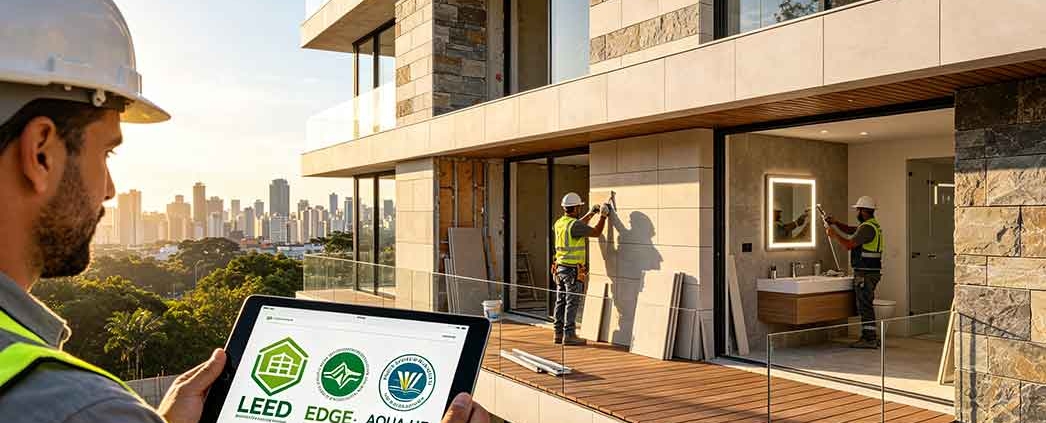
1. Zero‑Formaldehyde Materials Meet Strict Export & Local Standards

Hotels, kindergartens, and clinics cannot tolerate off‑gassing from home materials. Our PVC‑based wall panels, SPC flooring, and ceiling panels are manufactured to zero‑formaldehyde formulas, compliant with international standards (e.g. CE, SGS, or ASTM).
Benefit: Rooms can be occupied immediately after installation—no ventilation waiting period.
Why it matters for wholesalers: You can sell to government‑backed school projects or healthcare chains that require documentation of low VOC emissions.
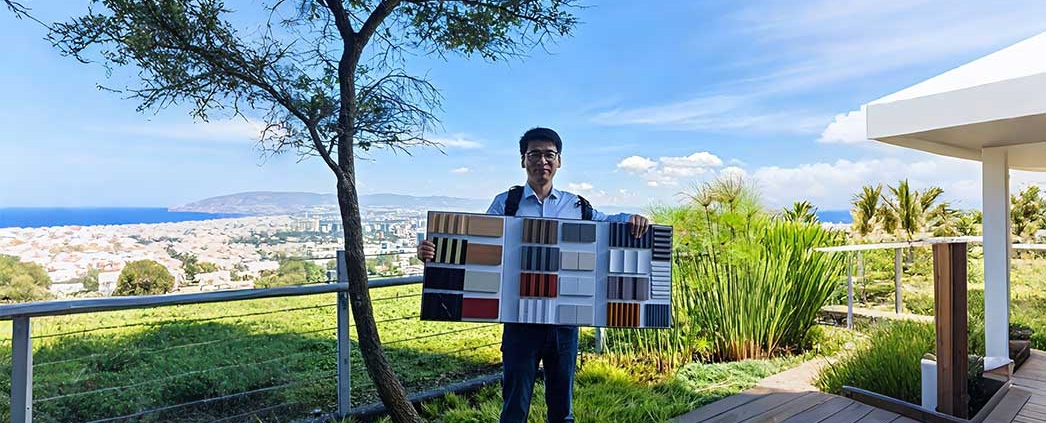
Real‑world context: A Latin American wholesaler who visited our Foshan showroom initially focused only on sintered stone and sanitary ware. After seeing our zero‑formaldehyde wall panels and flooring, he added them to his first 5‑container mix (USD 70,000). His end customers were local hotel chains demanding “green” certification.

2. Waterproof & Anti‑Mold – Essential for Bathrooms, Kitchens, and Basements

In humid environments (coastal Latin America, tropical zones, or simply leak‑prone basements), ordinary panels swell, warp, or develop black mold. Our waterproof wall panels are 100% moisture‑proof.
SPC flooring is also completely waterproof—unlike laminate or engineered wood.
WPC outdoor decking resists rain and humidity without rotting.
For a hotel with 200 bathrooms or a school with changing rooms, this means zero callbacks for mold remediation. For wholesalers, it means fewer warranty claims and repeat orders.

3. Snap‑on / Click‑lock Installation Saves 50% Labor Time

Traditional tile or stone installation requires skilled labor, adhesive, grout, and days of curing time. Our PVC decorative wall panels use a car‑lock design (or click‑lock for flooring) that goes directly onto rough walls or subfloors.
No leveling, no plastering, no grout.
A 100 m² hotel corridor can be completed in one day with two workers.
Quantified advantage: On a recent school refurbishment project in South America (using our carbon crystal wall panels and SPC flooring), the contractor reported 52% less installation time compared to ceramic tiles and gypsum boards. Less labor = higher profit margin for your local buyers.

4. Scratch‑Resistant & Easy‑Clean Surfaces Reduce Maintenance Costs

In high‑traffic areas (hotel lobbies, school hallways, hospital corridors), surfaces get quickly scratched or stained. Our UV coating on wall panels and flooring creates a durable, stain‑resistant layer.
Scratch resistant – luggage wheels, moving desks, or gurneys leave no marks.
Easy clean – a damp cloth removes marker, coffee, or mud.
Hotel housekeeping staff can clean rooms faster. School janitors spend less time scrubbing walls. Wholesalers can sell this as a “lower total cost of ownership” advantage, not just a material cost.

5. One Container Mixed Loading – Test Different Product Categories with Low Risk

This is the business model that makes all the above possible for a new importer. Instead of buying 2–3 containers of wall panels alone, you can combine:
Waterproof wall panels (choose from UV boards, carbon crystal, bamboo‑fiber, slatted grille)
SPC / LVT / WPC flooring
PVC ceiling panels
Sintered stone for islands or countertops
Sanitary ware (toilets, washbasins, faucets, vanities, jacuzzis)
All in one 20’ or 40’ container.
Data point: 75% of our new Latin American customers reduced their trial costs by >30% using this mixed‑container strategy. They start with one container, identify their three best‑selling SKUs, and then re‑order full containers of those items.
The wholesaler from the case study (USD 70,000 order, 5 containers) explicitly told us: “Mixing lets me offer a complete bathroom + wall + floor solution to my hotel clients without tying up capital in slow movers.”

Step‑by‑Step: How to Launch Your First Mixed Container for Institution‑Ready Products

Step 1 – Identify target projects in your market.
Are your buyers building budget hotels, renovating schools, or fitting out clinics? Focus on the product categories they need most. A typical starting mix:
40% waterproof wall panels (carbon crystal or UV boards)
30% SPC flooring (click‑lock, stone plastic composite)
20% sanitary ware (toilets + washbasins)
10% sintered stone (for kitchen islands or bathroom vanities)

Step 2 – Request zero‑formaldehyde and waterproof test samples.
We ship samples within 3–5 days. Test them in your local humidity or even submerge them in water for 48 hours. Show the results to your buyers.

Step 3 – Use our container‑mixing calculator (free).
Tell us your target quantity (e.g. 200 m² wall panels + 150 m² flooring + 50 toilets). We will optimize the loading plan to maximize product variety while staying within one 20’ or 40’ container.

Step 4 – After the first sell‑through, re‑order the winners.
Because you started with only one MOQ container, you can quickly drop slow SKUs and double down on best‑sellers. No long‑term commitment, no warehouse full of unsold stock.

Conclusion: Low‑Risk Entry into High‑Margin Institutional Projects

In 2026, Google favors content that provides genuine information gain. For importers, the real gain is knowing that zero‑formaldehyde waterproof wall panels + mixed container MOQ eliminates two classic barriers: health compliance and high initial inventory risk. Whether you supply hotels, schools, or residential projects, this combination allows you to test, learn, and scale profitably.
Ready to configure your first mixed container? Contact our team with your target square meters and product preferences. We will reply with a custom loading plan and samples within 48 hours.

Why Waterproof Wall Panels and Mixed Container Solutions Are Game‑Changers for Latin American Importers

Why Waterproof Wall Panels and Mixed Container Solutions Are Game‑Changers for Latin American Importers

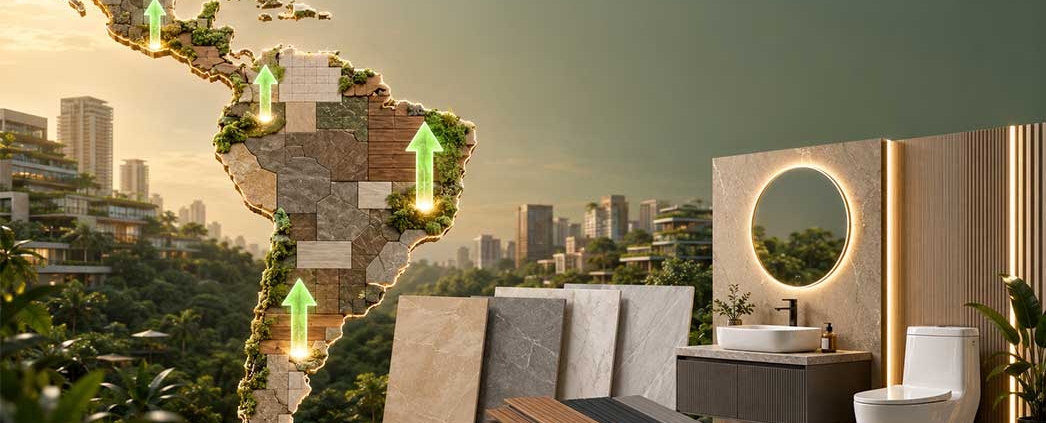
For years, Latin American wholesalers faced two stubborn problems: high minimum order quantities (MOQ) that killed small‑scale tests, and building materials that failed in humid environments. Today, a smarter alternative exists. By combining waterproof wall panels, SPC flooring, sanitary ware, and mixed container(one‑container MOQ) logistics, importers can reduce trial costs by over 30% while offering high‑performance, zero‑formaldehyde products to their local market.

The Challenge: High MOQ and Unsuitable Materials for Humid Climates

Most Chinese factories demand 2–3 containers per product line. For a wholesaler who wants to test wall panels, floors, and bathroom fixtures simultaneously, that means stocking six to nine containers – an expensive gamble. Worse, traditional MDF or gypsum boards swell, warp or develop mold when used in bathrooms, kitchens or basements.
Latin America’s coastal and tropical regions make this problem acute. Buyers need materials that resist moisture, install quickly, and comply with strict environmental standards (e.g. schools and hospitals require zero‑formaldehyde products). But until recently, no supplier offered a low‑risk, one‑stop solution.

Our Solution: One Container Mixed Loading – Test the Market with Lower Risk

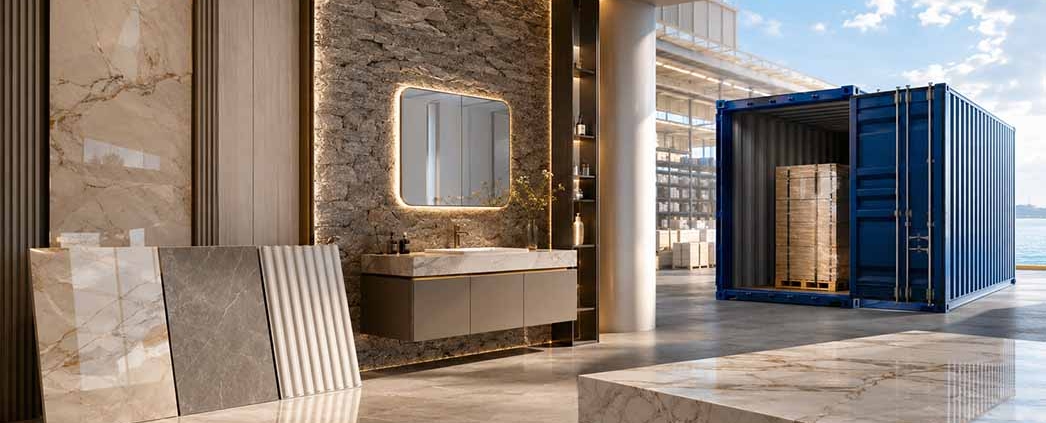
“One container MOQ” changes the entire equation. You can combine different products – wall panels, flooring, ceiling panels, sanitary ware, and sintered stone – in a single 20’ or 40’ container. This means you can start with as little as one container, diversify your SKUs, and scale only what sells.
Data point: 75% of our new Latin American customers reduced their trial costs by over 30% after switching to our mixed container program.
We don’t just promise low MOQ. We help you select the right mix. A typical first container might include:
PVC decorative wall panels (UV, carbon crystal, bamboo‑fiber, or slatted)
SPC / LVT flooring and WPC outdoor decking
PVC ceiling panels
Sintered stone slabs for kitchen islands or countertops
Sanitary ware (toilets, washbasins, faucets, bathroom vanities, jacuzzis)
Everything fits exactly as you need, and you pay for only one logistics process.

Real Case: From First Inquiry to $70,000 Order – A Latin American Wholesaler’s Journey

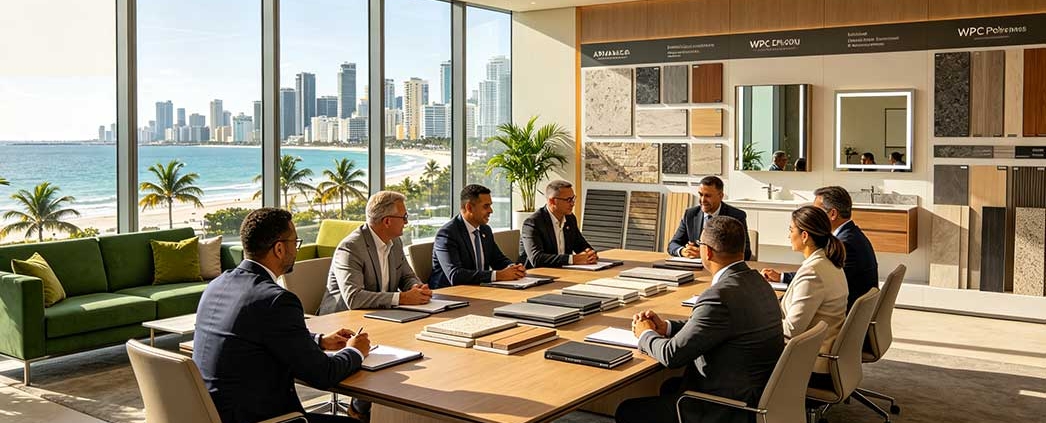
A new wholesaler from Latin America visited our Foshan showroom. He had previous import experience and knew his own customs clearance. His initial request was clear: sintered stone + sanitary ware (toilets, washbasins, faucets) + bathroom vanities.
After reviewing the product quality and the mixed container option, he made a decision on the spot. The result:
5 containers ordered in the first cooperation
Total order value: ~USD 70,000
Products included: sintered stone slabs, toilets, washbasins, faucets, and bathroom vanities
He told our team: “I don’t need to fill a full container with one product. Mixing lets me test different categories without over‑committing capital.” This is exactly the logic that reduces risk and accelerates market entry.

Why Waterproof Wall Panels & Flooring Are Essential for Latin American Projects

Our product range is engineered for the conditions that kill ordinary materials. Here is why waterproof wall panels and related products deliver lasting performance.

1. 100% Waterproof & Moisture‑Proof

No swelling, no deformation in bathrooms, kitchens, basements, or coastal buildings.
Ideal for hotels, schools, hospitals, and residential projects.

2. Zero‑Formaldehyde & Eco‑Friendly

Meets strict export environmental standards.
Move‑in ready immediately after installation – critical for kindergartens and medical facilities.

3. Fast Installation (Snap‑on / Click‑lock)

Can be applied directly on rough walls – no leveling or plastering required.
Saves up to 50% in labor time compared to traditional tiles or wood panels.

4. Scratch‑Resistant & Easy Cleaning

UV coating on wall panels and flooring creates a hard, stain‑resistant surface.
Wipe clean with a damp cloth – ideal for high‑traffic commercial areas.

Product portfolio at a glance

PVC decorative wall panels (UV boards, carbon crystal, bamboo‑fiber, slatted grille)
SPC stone plastic flooring / LVT / WPC outdoor decking
PVC ceiling panels
Sanitary ware (toilets, washbasins, faucets, bathroom vanities, jacuzzis)
Sintered stone tiles (kitchen islands, countertops)

How to Optimize Your First Mixed Container: A Step‑by‑Step Guide for Wholesalers

Step 1 – Identify your best‑selling categories.
Start with 3–5 products that local contractors ask for most. For most Latin American buyers, a winning mix is: waterproof wall panels + SPC flooring + floor‑mount toilets + a few sintered stone slabs.
Step 2 – Use the mixed container to test pricing tiers.
Include both economy SKUs (e.g., basic PVC wall panels) and premium items (e.g., carbon crystal panels or jacuzzis). You will see which price point moves faster without risking large volume.
Step 3 – Visit the factory (or do a video tour).
Our client from the case study visited Foshan, saw the showroom, and validated quality in person. If travel is not possible, we provide 360° factory videos and sample boards.
Step 4 – Start with one container, reorder within 4–6 weeks.

Because MOQ is one container, you can re‑order best‑selling items while dropping slow movers – and keep inventory lean.

Conclusion: Lower Your Entry Barrier with Mixed Container and High‑Performance Materials
The wholesale market is moving away from rigid, high‑MOQ models. Buyers now prefer flexibility: one container MOQ and mixed loading that allow them to test, learn, and scale profitably. Combined with truly waterproof wall panels, zero‑formaldehyde flooring, and durable sanitary ware, this approach turns a risky first import into a calculated, low‑cost expansion.

👉 Ready to build your first mixed container? Contact our team for a free product‑mix consultation – we will help you select the right combination for your local market.