How to Clean Walls with Vinegar?

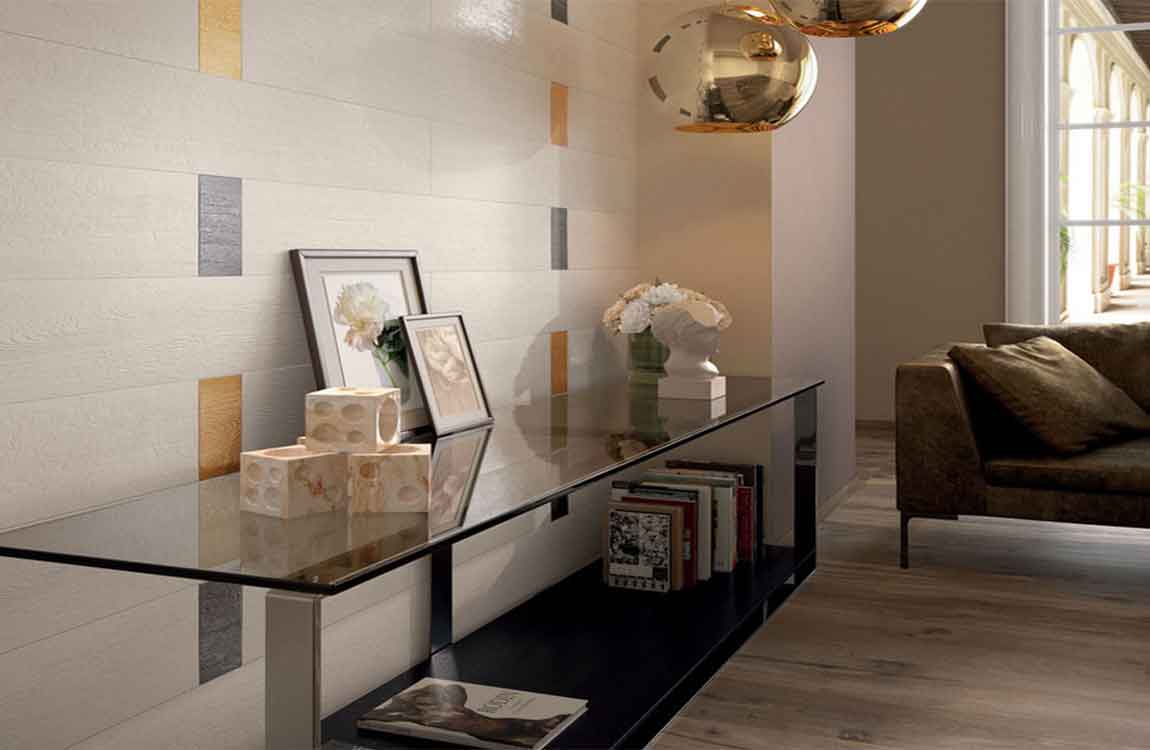
Household cleaners can be both expensive and toxic, causing many people to search for alternative approaches. Vinegar is a great all-purpose cleaner and can also be used to effectively clean walls. You can create a simple cleaning solution with vinegar and water. Even though it’s a natural solution, be sure to perform a spot-test before proceeding. Also be sure to use a white sponge and cloth to avoid the sponge color bleeding onto the wall.
Protect your floors. Lay a dropcloth or towels along the baseboard where you intend to start. Ideally, your sponges shouldn’t be dripping wet when you use them, so feel free to skip that part if you’re confident in your ability to catch the occasional drip that may run down the wall. However: Do keep some towels around just in case your bucket suffers a major spill. Play it extra safe and lay one out to set your bucket on while you work.

Ventilate the room if needed. Depending on how strong your solution is, you may find the smell of vinegar a little overwhelming. If so, open windows and/or set up some fans to improve air circulation. Vinegar fumes aren’t dangerous, but they may tempt you to rush through the job. Avoid doing so, since a rushed job may lead to drips and other water marks that will remain visible after the walls have dried.
Prevent electric shock. Unplug power cords from outlets. If you intend on cleaning outlet covers and/or where they cover the wall, switch off the fuses for those outlets before doing so. Do the same for light switches, telephone cords, and any other fixtures with an electric current.

Remove decor. If you’re cleaning the entire wall as opposed to spot-cleaning, take down anything that’s mounted to them. Ensure a thorough cleaning without any obstructions that might be hiding dirt. This can include any: Photos, posters, or other artwork. Shelves, coat hooks, or other functional items. Electronics, like wall-mounted TVs or speakers.

How Creating a Vinegar Solution?

Start with a mild mixture. Expect a relatively small amount of vinegar mixed with warm water to be sufficient for the job a lot of the time. Simply combine 2 to 3 tablespoons of white distilled vinegar with 1 gallon (3.8 L) of water in a bucket or similar container. However: Keep in mind that you’ll be carrying that bucket around the room with you.


Depending on the size of your bucket, adjust the amounts as needed to keep it only halfway filled to avoid spills. Test-clean a select spot on your wall. Pick an area that is blocked from view by furniture or otherwise hidden. Wet a sponge in your mixture and squeeze it until the excess water has been wrung out. Wipe the area in a circle, using minimal pressure. Repeat with a second sponge and clean water to rinse. Then pat dry with a soft cloth or towel.


Use soft sponges (as opposed to a more abrasive kind meant for scrubbing burnt food), especially if your walls are painted. Using tougher sponges could ruin your paint’s surface. Sponges in bolder colors may leave their color on the wall.


Add more vinegar if necessary. Compare the test-spot with the rest of the wall. If your mixture did the trick, use it as is. If the test-spot still seems dirty, increase the ratio of vinegar to water and repeat. Start by adding ½ cup (118 ml) of vinegar to your gallon of water. If that still seems weak, keep adding ½ cup of vinegar at a time. Extremely dirty walls may require a ratio of 2 parts vinegar to 3 parts water.


Add baking soda if needed. If the dirt on your walls has crusted over and/or built up, you may need something a bit more abrasive than just vinegar and water. Start by adding a ¼ cup (55 g) of baking soda to your solution and test-clean again. If necessary, keep doing so up to 2 to 3 cups (442 to 662 g). However, bear in mind: If your walls are painted, abrasive agents like baking soda may damage the paint, especially if it’s latex-based. If your solution starts ruining your paint job, you may need to apply a fresh coat rather than clean.

How to Clean Mildew from Grout?

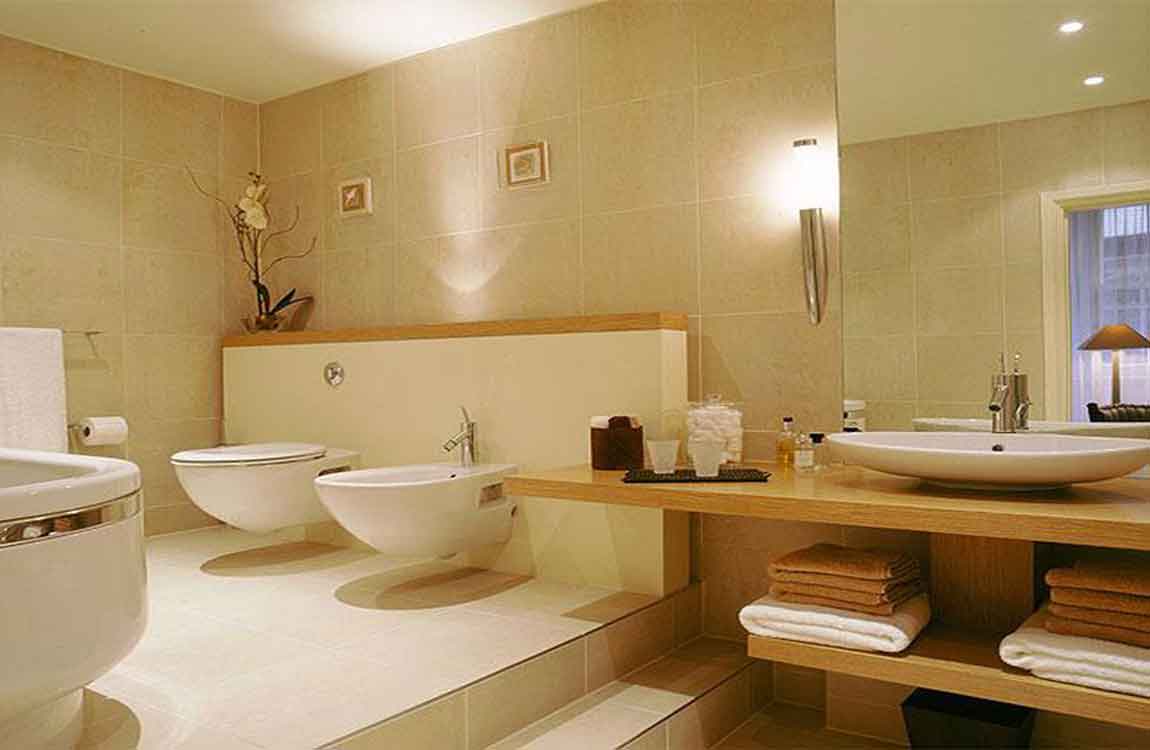
Mildew is a common problem in grout found in bathrooms. Regular cleaning should keep mildew mostly away, to the point it only needs to be cleaned with water. However, built up mildew should be targeted with a cleaning solution. There is no special formula to get rid of mildew. It simply takes a lot of scrubbing to get mildew and mold out of the grout between tiles.

Ventilate your shower. A well-ventilated shower is key to preventing mildew to begin with. If your shower has a fan, make sure to turn that on after getting out of the shower. It also helps to crack a window in your bathroom during the day.

Spray down your bathroom after showering. Keep a spray bottle in your bathroom filled with one part vinegar and one part water. Two to three times a week, use this mixture to spray down your shower. This will help prevent mildew from building up on the shower walls.

Clean your bathroom regularly. Mildew is hardest to remove when it’s built up in grout between tiles. The best way to prevent the need for heavy cleaning is to clean your bathroom once a week. If you do a quick, mild cleaning weekly, you’re unlikely to have to deal with heavy mildew removal in the future.

How Wiping Your Walls Clean?

Fill a second bucket with clean water. Again, only fill it halfway so the water doesn’t slosh over the sides as you carry it. Use this for rinsing. Depending on how strong your solution is, and/or how much surface you have to wash, refresh the bucket with clean water periodically, as needed. Additionally, you should use a second sponge for rinsing. As with the rinsing water, replace as needed if it becomes too foul as you move along.

Soak and wring your cleaning sponge. Again, only use a soft, light-colored sponge for this to avoid causing permanent streak marks. Soak it in your solution. Then squeeze it dry over your bucket until no more water drips from it.

Work from the top down. First, break your wall up into columns in your head, each about a foot or two (30 to 60 cm) wide. Start cleaning each column where the wall meets the ceiling, and go down from there before proceeding to the next one over. This way you’re more likely to catch any accidental drips of water that may run downward.

Wipe in soft circles. Remember: if your walls are painted, vigorous scrubbing can damage the coat. Use as little pressure as needed. Wipe in a circle, reversing directions occasionally, to further reduce the risk of damage.

Work on one small section at a time. Ideally, you will be using as little liquid as possible to avoid water stains and marks. Still, if left to air-dry, the liquid you did use may cause permanent eyesores, so don’t try to clean the whole column at once. Instead, only wash a couple square feet (60 cm) at a time. If you’re working on a ladder, you may want to work on even smaller sections since you may be going up and down in between the washing, rinsing, and drying.

How to Clean Wood Walls?

Wood walls can be a challenge to clean, as wood does not do well if it gets wet. You may have wood walls in your home that are dusty or dirty and wonder how you can clean them without damaging them. To clean wood walls, you can try dry dusting them. You can also apply waxes and polishes or a wood cleaner to the walls to get them clean.

Clean the wood walls with a dry cloth. Get a microfiber cloth or a linen cloth to the wipe the wood walls. Do not wet the cloth, as water can damage the wood walls. Follow the grain of the wood, wiping in a circular motion. Fold the cloth over as you wipe the walls down so it picks up any dust, dirt, or grime on the surface of the wood. If you are wiping down a large section of the wood walls, you may need to use more than one dry cloth.

Dampen the cloth with lemon oil. If the wood walls are really coated in stubborn dirty or dust, use a small amount of lemon oil on the dry cloth. The lemon oil will help to catch any dirt or dust and will not damage the wood. Put one to two drops of lemon oil on a clean dry cloth. Then, gently wipe the walls down with the cloth to remove surface dirt or dust.

Use the dusting attachment on your vacuum cleaner. If you have a vacuum cleaner with the dusting attachment, use it on the wood walls. Run the vacuum with the attachment over the walls to pick up any grime or dirt. Make sure the vacuum attachment does not have any sharp edges or sides that can scratch the wood.

If you have a floor sweeper with a dusting pad instead of a vacuum, you can use it to clean the wood walls. Simply run the floor sweeper over the walls with a clean, dry dusting pad. Change the pad as needed to get all the dust or grime off the walls.

How Cleaning the Grout?

Spot test the cleaner on the grout. Before you dive right into cleaning the grout with the toilet cleaner, you should spot test it first on a portion of the grout. Choose a spot that can be covered up or hidden if it gets damaged. Use a small amount of the toilet cleaner on the grout and leave it on for five minutes. If the grout does not appear damaged, you can proceed to use the toilet cleaner on the rest of the grout.

Pour the cleaner on the grout and let it sit. Do this by pouring the cleaner on the area with grout that is furthest from the door. This way, you can clean the grout in small sections, moving towards the door and cleaning each section as you go. If you are cleaning grout along a bathtub or a faucet, you do not have to worry about doing this.

Pour a small amount of the cleaner on the grout. Do not pour too much cleaner on the grout or lay it on too thickly. You want an even amount dispersed on the grout so the cleaner can soak in and remove any dirt or grime. Allow the cleaner to stay on the dirty grout and soak in for five minutes. Do not touch or disturb the cleaner when it is sitting on the grout.

Scrub the grout with a toothbrush. Once you have let the cleaner sit on the grout, take a toothbrush or a grout cleaning brush, and gently run it over the grout. You should not have to scrub the cleaner off the grout very hard to remove any grime or dirt. Often, the grime will come off easy by running the brush over the grout.

Scrub all of the grout that is covered with the cleaner. You should notice the grout appears clean and grime-free once you scrub it with the brush. Rinse and dry the grout well. It is very important that you rinse off the toilet cleaner as soon as you are done scrubbing the grout with the brush. Do not let the cleaner sit on the tile or the grout once you are done scrubbing it, as this can lead to a built up of residue.

How Selecting a Cleaner Based on Floor Type?

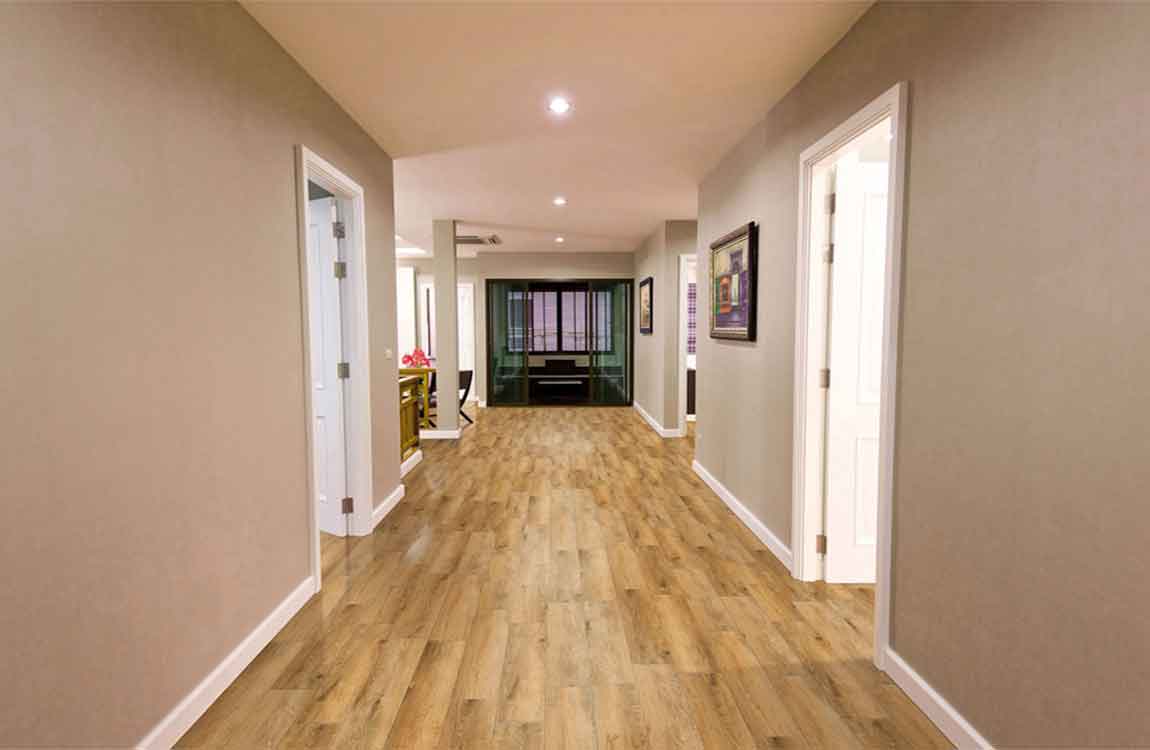
Use vinegar for most floor types. The majority of floors can be cleaned with a mixture of vinegar and warm water. Place a quarter cup of white vinegar in a 26 ounce (780 mL) water bottle to clean the following floor types:Cork, Vinyl, Porcelain.

Opt for a neutral pH cleaner for stone, hardwood, or bamboo floors. Hardwood, stone, and bamboo floors need a gentle cleanser. Purchase a mild to neutral pH cleaner at a department store. Apply it to your floor as directed on the bottle. Most pH cleaners are diluted with water. About a quarter cup of a pH cleaner (60 mL) mixed with water should adequately clean a bamboo or hardwood floor.

Do not mop waxed wood or laminate floors. If you have a wax wood or laminate floor, mopping is unnecessary. Such floors only need vacuuming and dry mopping to stay clean.
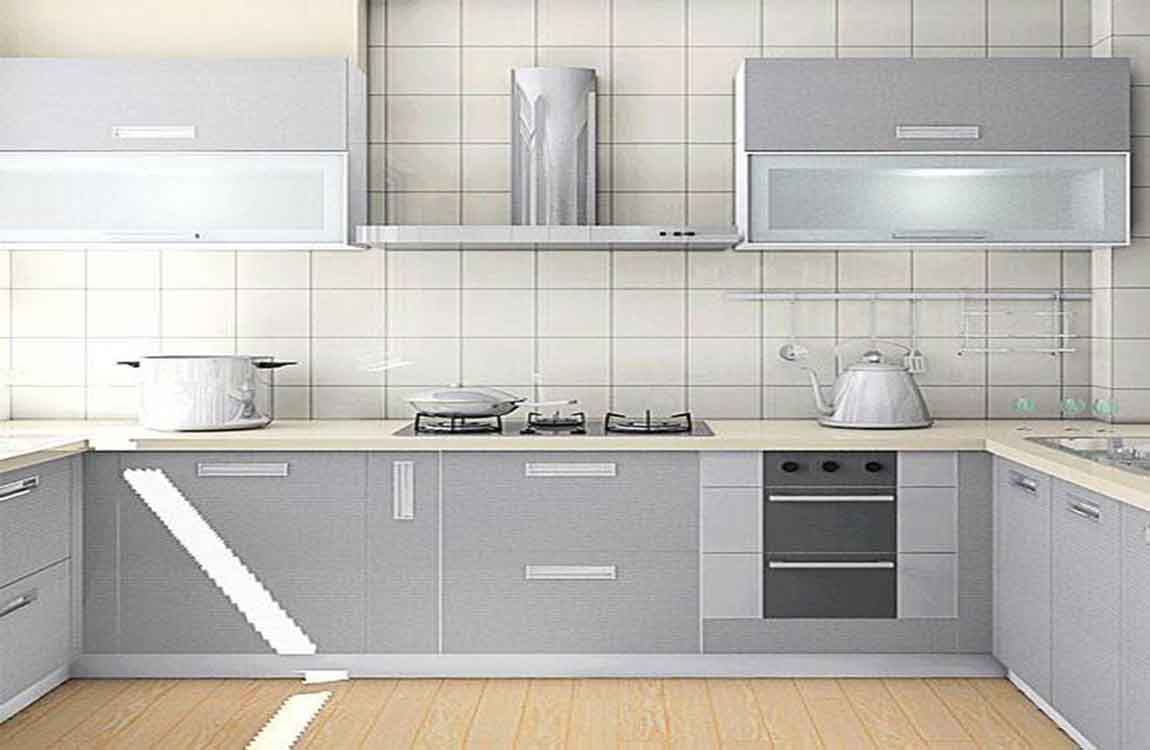
Use a steam cleaner for a very dirty floor. For the most part, you can wash your floor with detergent, warm water, and a rag, mop, or sponge. However, you can use a steam cleaning mop on some occasions. A steam cleaner is a special type of mop that automatically fills with water and your chosen detergent.

While steam cleaners are pricier, they tend to remove unseen bacteria better than a conventional mop and bucket. They may also remove set-in stains easier. If your floor is very messy, steam clean your floor with your chosen cleaner.

How to Clean Your Kitchen Floor?

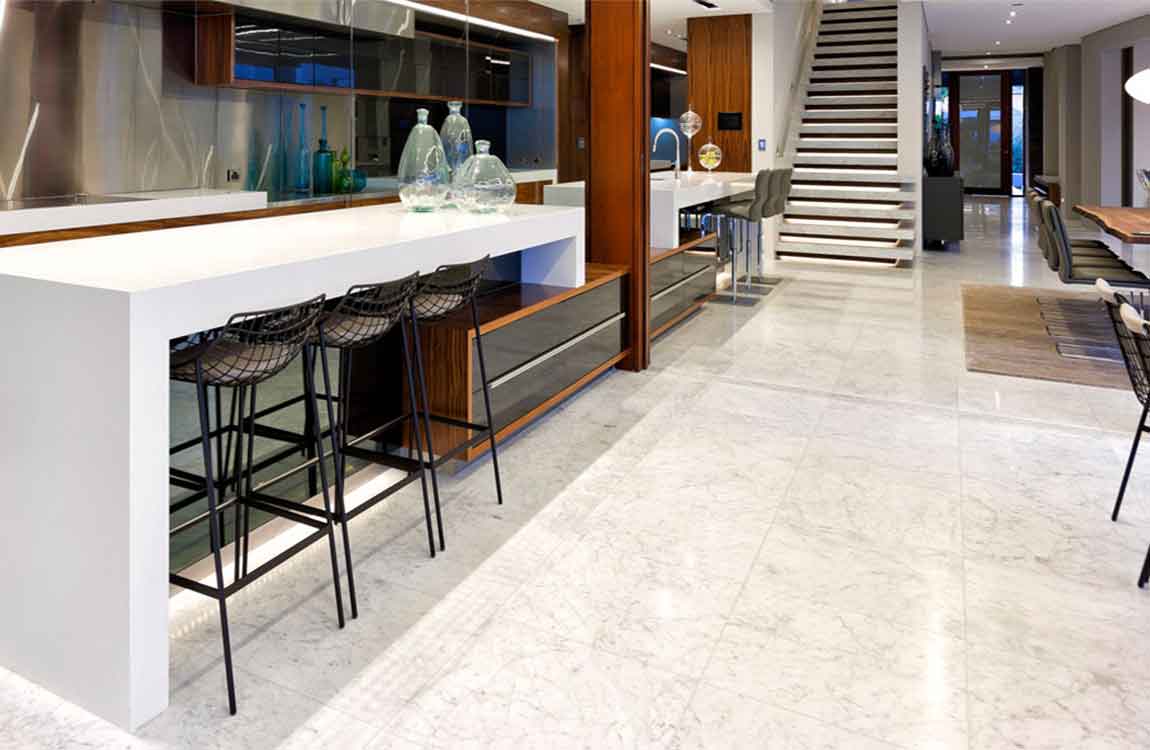
Cleaning a kitchen floor is simple with the right supplies. Pick the right cleaner for your floor type. Then, vacuum the floor and apply the cleaner. Let your floor dry and make sure to clean it regularly in the future. Vacuum your floor first. Regardless of your floor type, the first step to cleaning your floor is giving it a good vacuuming.

On a weekly basis, vacuum and then mop your floor. This will remove any dirt, debris, or hair that may get plastered to the floor during the mopping process. Run your vacuum over the floor, using the upholstery attachment to get into nooks and crannies. While vacuuming provides the most thorough cleaning, it’s okay to use a broom and dustpan if you don’t have a vacuum cleaner.

Use a dry mop on laminate or wood floors. You can purchase a dry mop at most department stores. If you have a laminate or waxed wood floor, you should not expose it to liquids. Instead, run your dry mop over the floor once a week to remove dirt and stains.

Apply the cleaning product one section at a time. Dilute your cleaner in a spray bottle or bucket. Use a rag, sponge, or mop to clean your floor one section at a time. Get your cleaning tool wet, wring it out slightly, and run the rag, mop, or sponge across the floor to remove any stains or dirty spots.

The cleaning utensil is mostly a matter of personal preference. However, microfiber cloths tend to work well on most floor types. Never use an abrasive cleaning tool on any type of kitchen floor. Things like steel wool can damage a kitchen floor.

How Staining Grout?

Choose a grout stain. Most often, people resort to dying their grout because it’s lost its previous luster and now appears brown and dingy. Rather than going back to the original hue, find a new color to cover up the wear and tear. Although it may sound strange, grout stains that are close in color to dirt are typically the most successful, because you won’t have to worry about the grout becoming discolored again over time.

Light hued grouts blend in and hide the shape of your tiles, while dark grout makes your tiles stand out and is very bold. When possible, look for grout stains that are also a sealant, so that you can skip the final step of sealing the grout. Clean the tile and grout. Get out your cleaning supplies and grab a little elbow grease, because before you can begin staining your grout you need to give it a thorough cleaning.

Use a bleach-water scrub to kill any mold or mildew that might cause problems. Although it might be uncomfortable, use a damp sponge/scrubbing brush to clean your grout and tile, even if it is on the floor. The grout stain cannot be applied to damp grout, so wait 30 minutes or longer after cleaning to begin the application process.

Apply the grout stain. Some grout staining kits come with a small applicator brush, but if yours didn’t, simply use a very small stiff-bristled brush for application. Dip the brush in the grout stain, and carefully paint it onto only the grout. The stain is permanent and cannot be removed from your tile after it dries, so be careful to paint in the lines and wipe off any stain from the tile.

Add additional coats. Depending on the look you’re going for, you may need to add more than one coat of grout stain. If so, wait at least 24 hours for the first layer to dry, and then carefully paint on the second coat of stain. Again, be careful not to accidentally get any stain on the tiles as it is very difficult to remove.

How Cleaning Your Grout?

Choose a scrubbing solution. Grout, especially between floor tiles, gets especially dingy and dirty over time. Depending on the severity of your grout discoloration, you will need to use a different cleaning solution. For mild discoloration, use a combination of baking soda and hydrogen peroxide to form a paste. For more severe discoloration, use an oxygen bleach to whiten your grout.

Do a preliminary clean. In order to avoid extra work when you really start scrubbing, do a mild clean down of your grout prior to deep-cleaning it. Use a mixture of bleach and water to kill mold and mildew, and wipe off any grime or dirt that might be present on the surface.

Apply your cleaner. Working in small sections of tile/grout (try 1sq. ft. at a time), apply your cleaner to the grout. Leave it to set for 3-5 minutes, as this will make the scrubbing much easier.

Start scrubbing the grout. Use a brand new toothbrush (electric is preferable) to scrub away the dirt and discoloration on the grout. This can be relatively time consuming, so don’t give up if at first you don’t succeed. Use fresh water and a rag to wipe off the cleaning residue, and apply another coat of your cleaner if necessary.

Continue cleaning your grout. Work your way outwards from your starting point, using the aforementioned process. Add cleaner to small sections, let it set, and scrub away until bright, clean, and shiny grout can be seen underneath.