Posts

How to Clean Tiles?

Tiles are both stylish and practical. Unfortunately, over time, they can get greasy and dirty. To do a general floor clean, mop the tiles with water and a element tile cleaner. If your tile splashback has greasy marks on it, use soapy water to the oil splashes. Clean the grout between your tiles with baking soda and vinegar to remove discoloration. These methods are quick and easy, and will leave your tiles looking sparkling clean!

Sweep up any dust and dirt with a dustpan and brush. Use the brush to push any debris and dust into the dustpan. This avoids you spreading the dirt around the floor when you mop it later. If you don’t have a dustpan and brush, use a broom instead.

Mix water and tile cleaner in a bucket. Choose a tile cleaner that is designed for your type of wood marble tiles. For example, look for a commercial cleaner marketed as “ceramic-friendly” or “safe for stone floors.” Fill a mop bucket with water and add the tile cleaner, as directed on the back of the container.

Purchase tile cleaner from a cleaning store. Most tile cleaners require approximately 1 capful of tile cleaner per bucket of water. Avoid using citrus cleaners on stone as this can damage the wood tiles. Try not to use cleaners containing soap or detergent, as these can make your tile floors slippery. If you want to make your own wall tile cleaner, mix equal parts of vinegar and water in a bucket. This can be used on all types of tiles.

Wipe the cleaner over the tiles with a mop. Dip the mop into the bucket of water and tile cleaner, and then squeeze out any excess liquid to avoid drips. Push the mop back and forth over the entire area until the tiles are clean. Press the mop down firmly when cleaning any stained areas, as the tile cleaner and the pressure of the mop will help to remove the stains.

Wall Preparation Before Tile a Wall

Prepare the area around your walls. Place drop cloths on the floor to catch dust and tile pieces. Wear protective clothing. You should use safety goggles, long shirts, long pants and gloves. Broken wall tile can be sharp and dangerous.

Remove the old tile, if necessary. It is inadvisable to try to tile over old tile, because your surface will not be even. Use a chisel and a hammer to crack existing tiles. Once cracked, remove the cloud tile in pieces, if it does not fall off automatically. Chisel off remaining pieces. Beware not to gouge the wall too deeply, or you may create an uneven surface.

If the resulting wall is very uneven, you may want to re-plaster it. It is best to hire a professional to plaster the walls. If you are installing wall tile in a bathroom or other wet area, use cement fiberboard on the surface before you adhere tile. Sand the wall with medium-grit sandpaper to create an even surface. If you are not removing previous tile, you will still want to scuff up glossy surfaces with a fine-grit sandpaper to help the adhesive stick.

Buy your tiles. Porcelain tiles are available through the Internet, home improvement stores and decorators. Buy extra tile for your project, since tiles will break in the process. Take your tile to the home improvement store to try out glue. Different ceramic tiles require different types of glue. You do not want your glue to discolor the wood tile. Apply a wall sealant. This mild adhesive product will keep the glue moist while you complete your project. It is available at home improvement stores.

Cure grout. Allow grout to cure for 24 to 48 hours before stepping on it to ensure its stability and to make sure that it is completely dry. Finish expansion joints. Caulk the expansion joints using a grout caulk in a color that matches your grout. Completely fill these expansion joints then smooth and concave using your finger. You can find grout caulk at large home improvement stores.

How Identifying Loose Tiles?

Inspect the tiles’ finish to see how smooth it is. You can do this either by visually inspecting the tiles’ top surfaces or by running your fingers over the top of the tiles. Porcelain tiles have a fine-grained finish that is smoother than the finish on ceramic tiles. So, if the finish is slightly bumpy or coarse when you touch it, you’re dealing with non-porcelain (ceramic) tile. If the tiles are already glazed, flip them over and look at the unglazed underside.

Look for chips in the glaze to identify ceramic tile. Look closely at the glaze: if it’s chipped, you will be able to see the tile’s white or tan base. This is a sure sign that the tile is ceramic. Porcelain tiles are sometimes, but not always, glazed. Most high-quality porcelain tiles will have a consistent color that goes through the top, body, and bottom of the tile. Ceramic tiles, on the other hand, are nearly always glazed. Glazed porcelain tiles are much harder and are more resistant to wear and damage than non-porcelain ceramic tiles.

Examine the sides of the tile for a white, tan, or red color. While porcelain tiles can be colored, ceramic tiles will always have a white, tan, or red color, with a colored glaze on top. So, if you see that the sides (and base) of the tile are any other color other than white, tan, or red, you can be sure that you’re dealing with a porcelain tile. Some cheap, low-quality porcelain tiles may not have the color mixed through the body of the tile. Avoid purchasing these tiles.

Compare the costs of the two tile types. In nearly every scenario, porcelain tiles are more expensive than ceramic tiles: they take more time to produce, are more versatile, and tend to last longer. If you’re looking at two types of tiles in a hardware or home-supply store, non-porcelain (ceramic) tiles will be a little cheaper. As a broad rule of thumb, porcelain tile usually costs approximately 60% more than ceramic tile.

How Cleaning Grout in Tile Flooring?

Try using a pencil eraser to wipe the tiles. This household trick is great for cleaning small sections of stained grout. Simply run the eraser of a number 2 pencil over the stain until it is gone. Use a clean white or pink eraser. Sandpaper or an abrasive grout tool may be more effective for stubborn surface stains.

Use baking soda. Make a paste with baking soda and water. Apply it to the dirty grout using an old toothbrush. Scrub the paste into the grout well. Wash the grout with warm water when you are finished. Most dirty grout can be brightened using this natural method. For the tougher stains, allow the paste to sit for a few minutes before you start scrubbing.

Use bleach to remove stains that are more difficult to remove on tiles. If natural methods don’t work, try a bleach solution. Mix a 75/25 solution of bleach and water if your grout is white. If the grout is colored, you will have to use plain water. Do not use bleach on colored grout as it may remove the coloring. Use a toothbrush or the edge of a sponge to clean the grout with the solution. Rinse the floor with warm water after you are done to remove all traces of bleach.

Be careful to not get the bleach solution on the tiles. While using the bleach, wear a pair of rubber gloves to protect your hands. After the floor is completely dry, carefully apply a coat of grout sealer to the grout between the tiles to prevent it from absorbing dirt in the future.

If you don’t like using bleach, you may be able to find a commercial grout cleaner that will be stronger than a natural cleaning product. However, check the label to make sure it doesn’t list bleach as an ingredient.

How Getting the Right Materials for Tile a Bathroom Floor?

Purchase tiles. Buy a wall tile that’s durable and aesthetically pleasing to you. Purchase more super white tile than you’ll need. A good rule of thumb is to get 15% more tiles to account for spots tiles you may need to cut to fit in narrow spaces and tiles that will break in the shipping process.There are many different types of stone tile available:
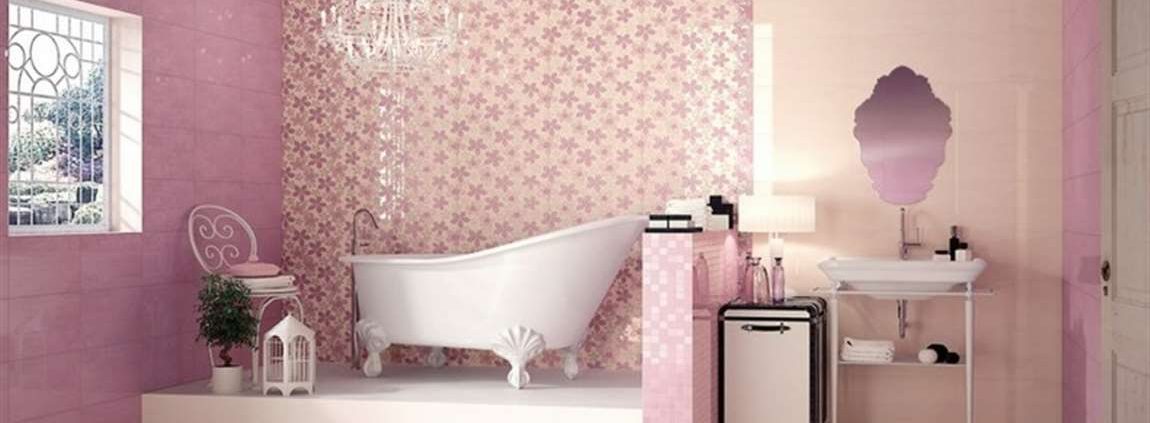
Ceramic and porcelain tiles cost around a dollar per square foot and are attractive, long-lasting, and durable. For that classic look in your bathroom, it’s hard to beat ceramic or porcelain tiles. Make sure the tile you purchase is rated for use on floors.

Vinyl tiles are also common, easy to install, and cheap. It’s also self-adhering, so you won’t need anything beyond the tiles themselves to do it yourself. Other kinds of element tile will require more work and materials. If you use vinyl, you won’t need to buy anything else. Just follow the adhering instructions on the package and following the alignment guidelines below.

Plastic laminate and linoleum wood tiles generally come in planks, rather than wood marble tiles, but are sometimes popular. They are also more expensive, ranging upward of 4 dollars per square foot. Other tiles made of wood, cork, stone, or glass are also available but tend to be more expensive. These require other sorts of polyurethane coatings to avoid dings and dents, but are a good option if you like the look.

Purchase thin-set mortar and grout. To lock the tiles in and create a solid floor for your bathroom, you’ll need to first layer a thin amount of mortar to set the bathroom tiles and grout to connect them to one another. Mortar usually comes in two varieties, pre-mix and unmixed mortar that comes in a box. All you need to do to mix it is add water and the pre-mixed tubs are usually more expensive, but buy whichever variety works for you.

Types and advantages and disadvantages of tiles

There are many classification methods of tile, each kind of tiles design have its own advantages and disadvantages. In the process of choosing floor tiles, it is not only to consider the shape and pattern of tiles, but also to understand the use and material of different home tiles, and to verify the quality of the selected  wall tiles through various methods.

Tiles are classified according to their materials, uses and technological characteristics. According to the production process, it can be divided into full body tiles, polished tiles, mosaics, glazed tiles and polished marble tiles. According to the function of floor tiles, it can be divided into floor tiles, wall tiles and line tiles. According to the water absorbing ability of tiles, it can be divided into ceramic tiles, and porcelain tiles. According to the tile application occasions, it can be divided into inner wall tiles, floor tiles, outdoor wall tiles and square tiles. According to the radioactivity of tiles, it can be divided into A grade, B grade, and C grade. According to the forming process of tiles, it can be divided into dry pressing tiles, extrusion molding tiles and plastic forming tiles.

The general tiles, also called the porcelain tile, is the same material color in the opposite side, the surface is not glazed, the water absorbability is poor, the scope of application is wide, it is suitable for the place where the aisles and halls are more obvious, and the wall is less used. Glazed tiles have been treated with glazed surface, with rich colors and patterns, good antifouling effect and convenient cleaning. It can be used in kitchen and the bathroom. Polished tiles, the full body after polishing, smooth surface, high hardness, relatively wear-resistant, but not slippery, so It can be used in the bathroom and kitchen.
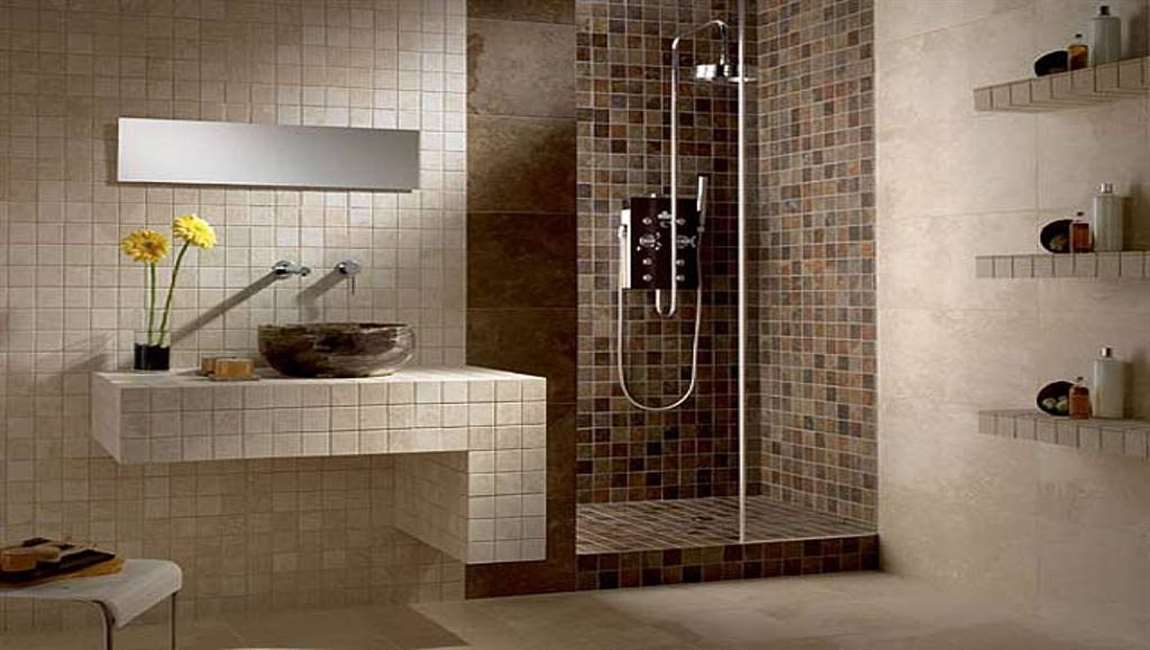
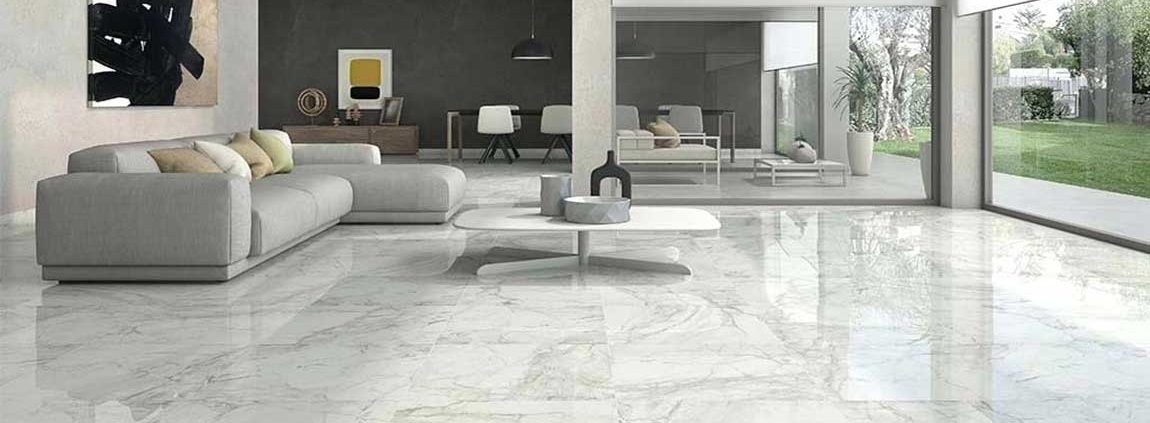
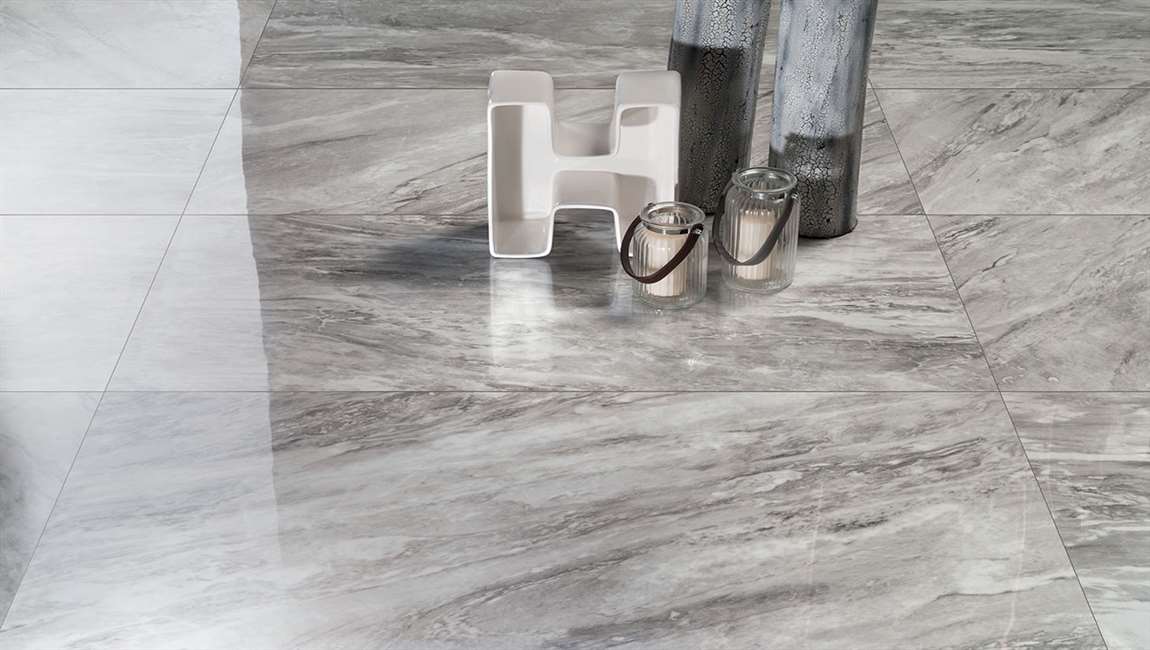
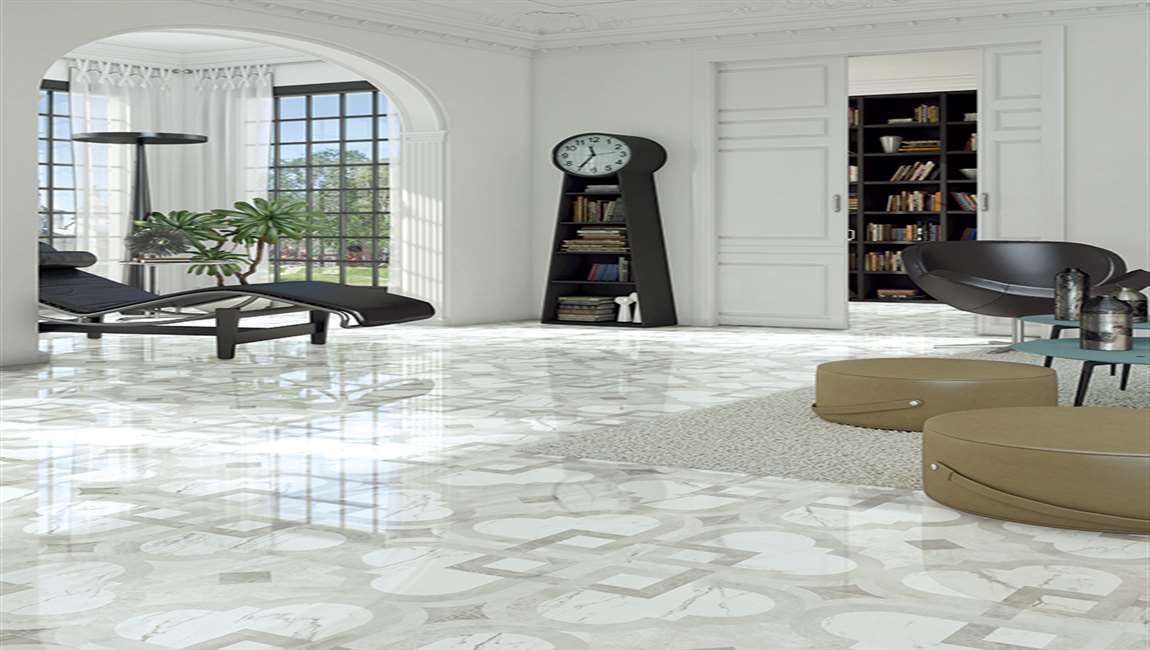
The polished marble tiles are polishing but not polished, with a mirror-like finish and the highest hardness, and can be used in living rooms, walkways and bedrooms. Mosaic is made up of many small tiles. It is acid and alkali resistant. It is not easy to seep and break easily. Often used in the interior of the small area of the wall decoration.

Different types of casstle tiles are used in different places. The kitchen and bathroom need glazed tiles with good dirt resistance and good skid resistance. The living room and bedroom need a smooth and beautiful polished tiles. The decoration of the wall needs decorative tiles such as mosaic.

Understanding the various parameters of tiles, cement tiles hardness, wear resistance, water absorption and other important parameters directly affect the service life of floor tiles as well as the ability to resist moisture and pollution. Check the quality of tiles design by watching and beating. To check whether the colors, patterns, trademarks and shades of tiles are clear, and whether the splicing effect is good or not. Knock the tiles and listen to whether the sound is crisp and no noise.

How to choose tiles for home decoration?

Tile is one of the most important materials in our family decoration. It can be used on the floor and wall. Some of them are also used in the kitchen stove. Therefore, the selection and matching of tiles can affect the effect of the whole decoration. It even affects people’s daily life. Therefore, for tiles to be selected, we first need to know the tiles from the following points.

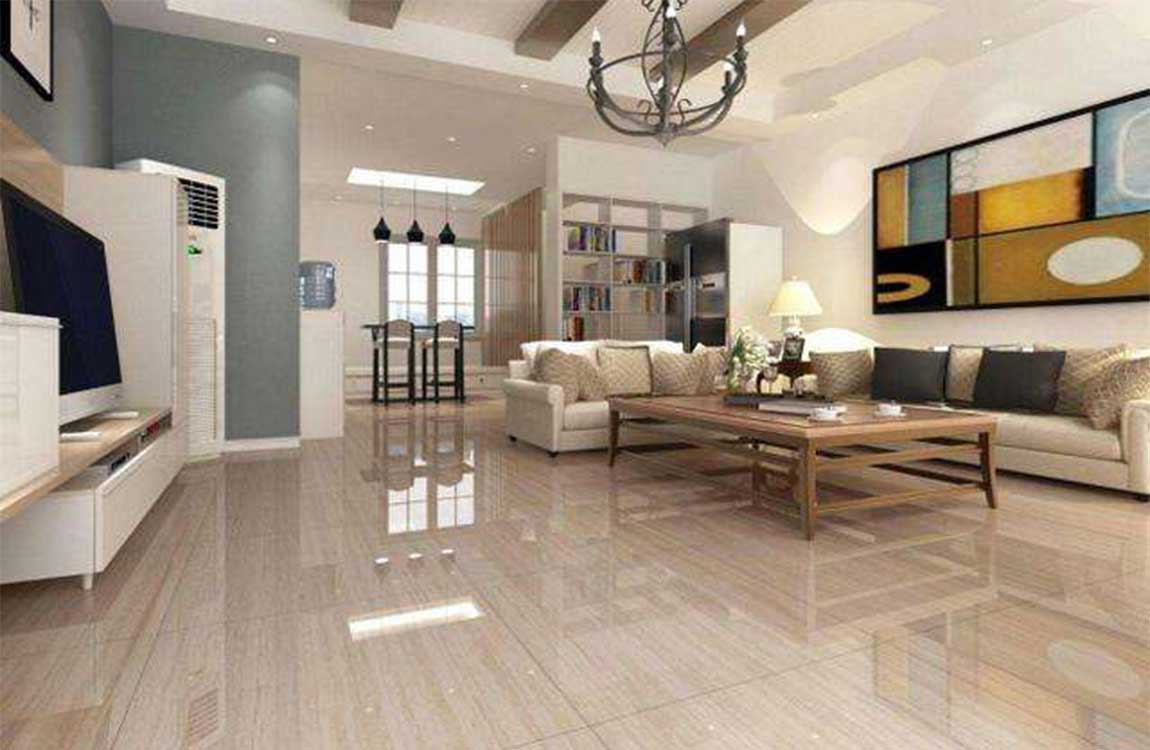
Polished tiles are one of the most commonly used tiles. Because the surface of the tiles (3-4mm thickness of the fabric layer) is polished, it has the characteristics of bright, high hardness, wear resistance and scratch resistance. However, they are usually not tolerant of dirt, and are commonly used in public areas such as living rooms and restaurants.

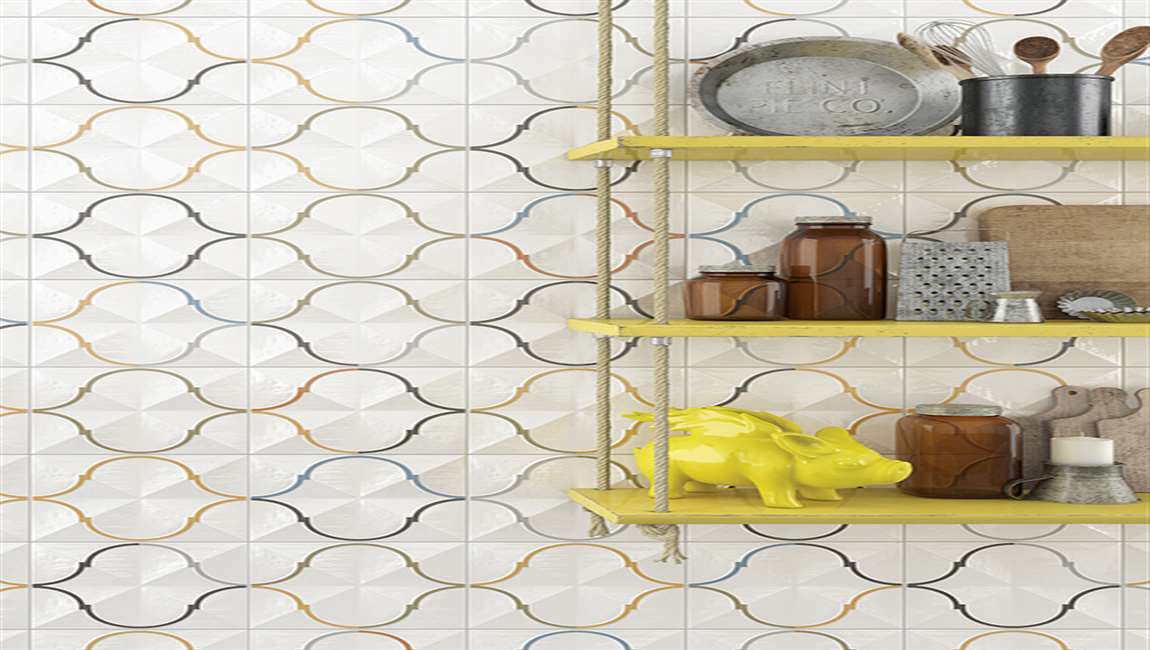
The polished glazed tile is painted on the surface of the embryo body (porcelain clay and Tao Tu) with a thickness of about 0.1mm-0.2mm thick. It can be classified into full polished tile and semi glazed tiles. Full polished glazed tiles are flat, smooth, and bright. The semi polished tiles are concave and convex, and the convex areas are glazed, while the concave ones are not glazed. Its advantages are rich in color, rich in texture, and resistant to dirt, but the abrasion resistance is not strong. In addition to the kitchen, bathroom, balcony, other places are applicable.
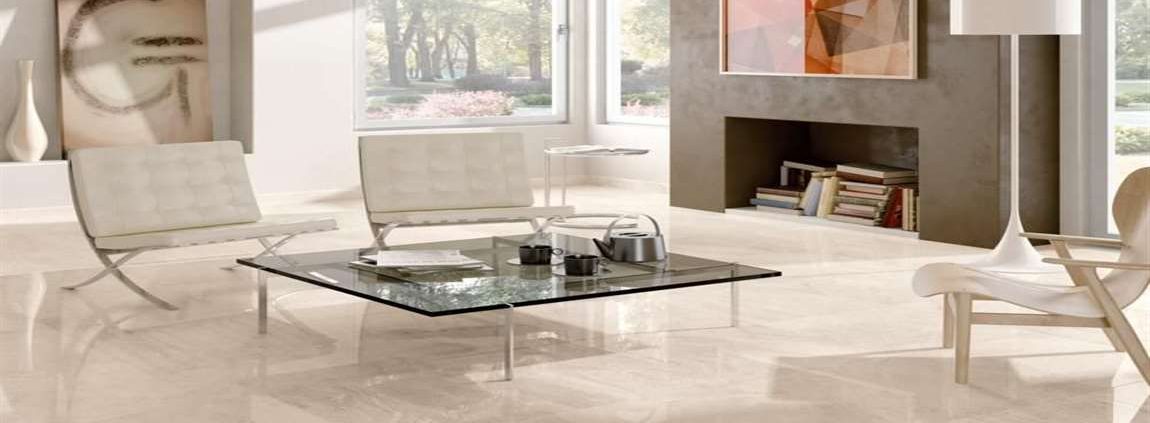
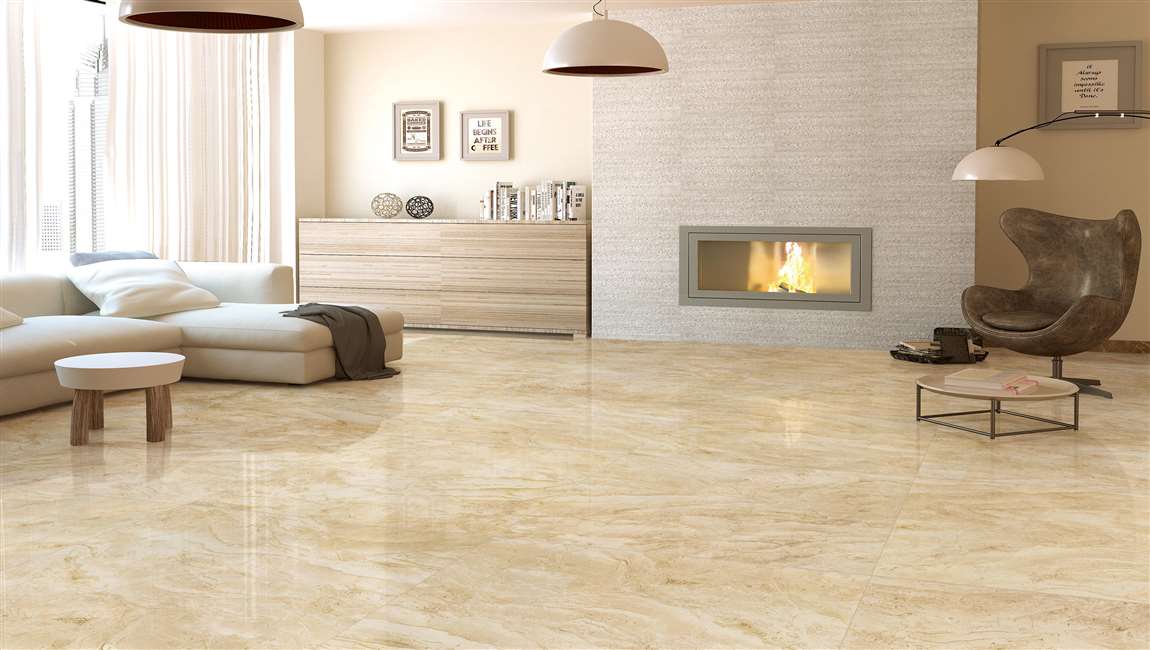
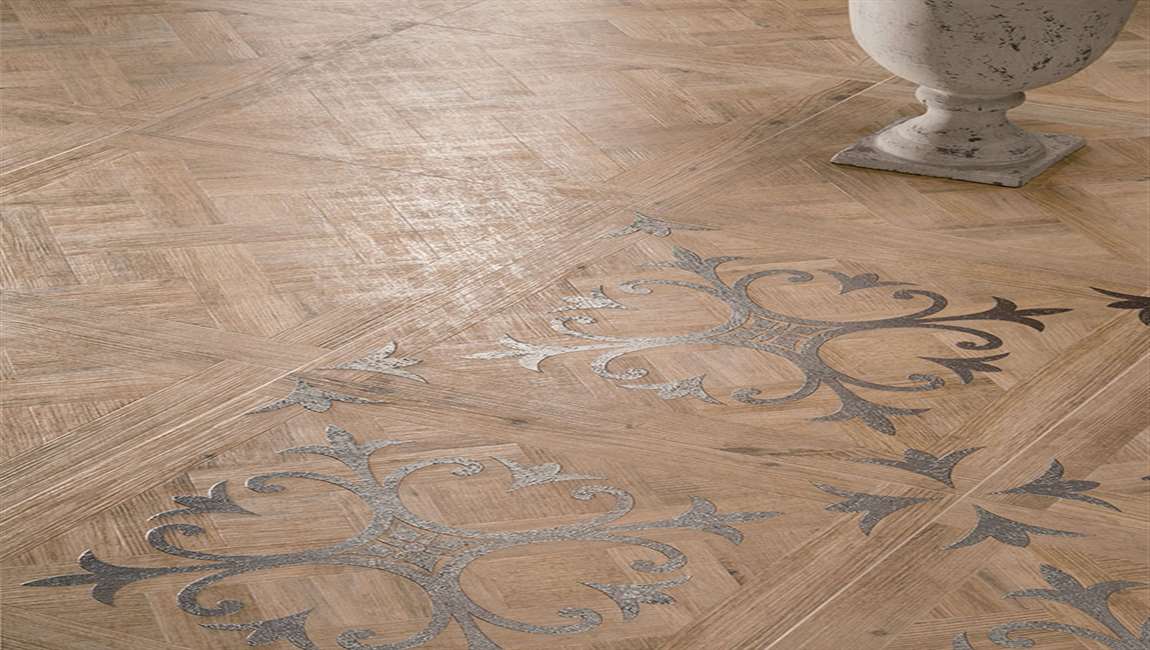
Polished tiles are actually one of full body polished tiles. As the name suggests, the whole body is the same color and material as the bottom. If the surface is polished, it is a polished tile. The full body tile has the advantages of good wear resistance, which is often used in indoor and outdoor walls and floors. glazed rustic tile belongs to glazed tile, glaze on the surface of porcelain tile, deliberately making an old antique effect. For example, the year’s ring, the history of vicissitudes and so on, the glazed rustic tile has the advantages of anti slip, and often used in the kitchen, toilet, balcony, of course, can also be used in the guest restaurant, bedroom and so on.

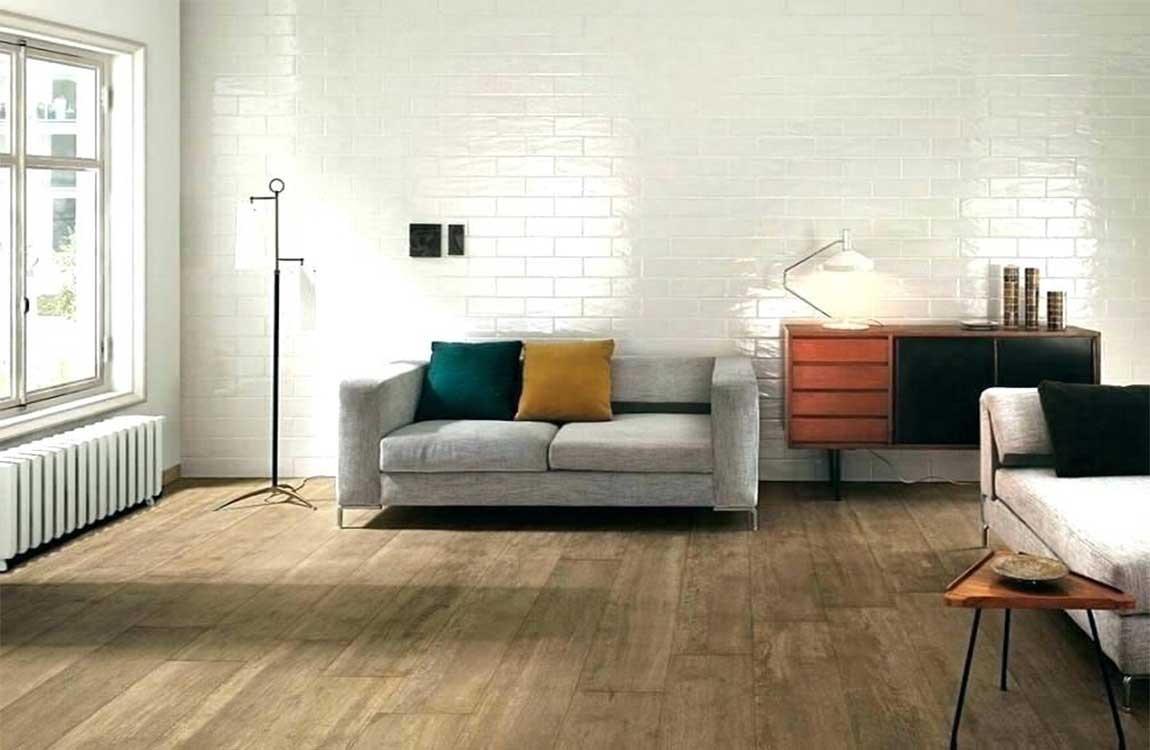
The first impression of wall tile is that its size is small, smooth and bright, and often used on walls. Besides, what we need to know is that it is different from other tiles. The first is the thickness of the wall tile, the thickness of the wall tiles should be thin. The second is that the location used is different, the wall tile is used on the wall, and the tile can be used on the wall and the ground. The third manifestation is that the service life is different, the wall tiles should be short, and the tiles should be long. The fourth is that the water absorption rate is different, and the water absorption rate of the wall tiles is much higher. Therefore, it is important to note that when wall tiles are used, tiles must be water soaked, otherwise it will absorb the moisture of cement and cause problems such as warping and shedding.

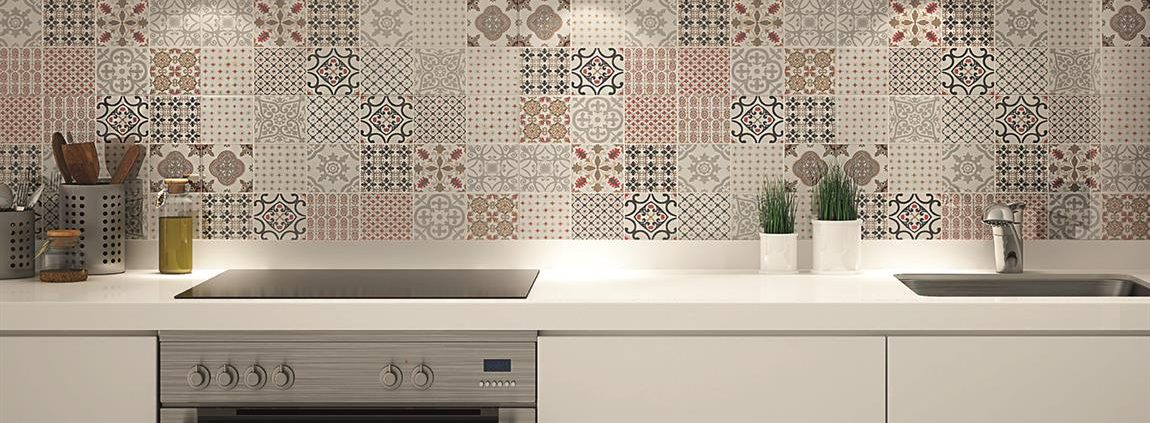
Mosaic tiles include ceramic and glass. Glass mosaic tiles are a piece of tile made of small pieces of tile, so its color and style are rich and can create a warm family atmosphere, which can show the owner’s personality and taste well. And as long as you want to get the result, it can make an effect. In addition, it can be widely used in many places, and can also be used as a cross stone, a background wall, etc.

Microcrystalline stone tile is a new type of building material. The main method is to compounded glass ceramics on vitrified stone. With a strong gloss and permeability, the effect is also more grade, luxury, and the price is more expensive, so it is often used in the TV background wall.

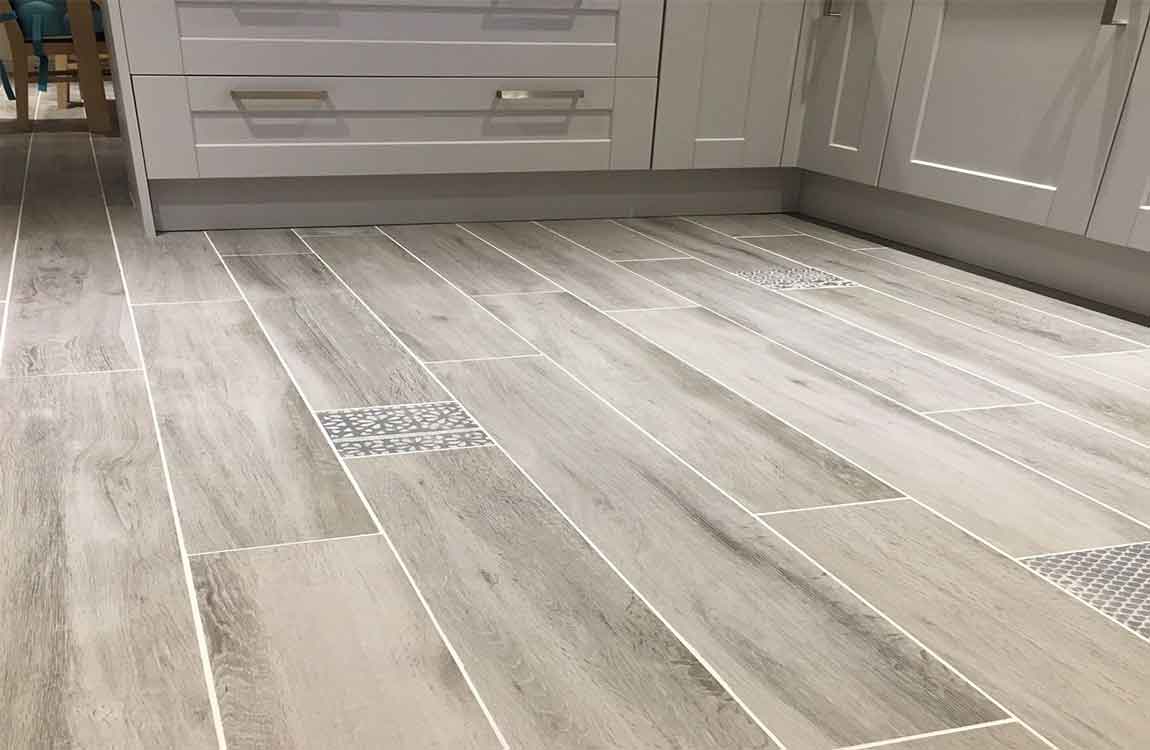
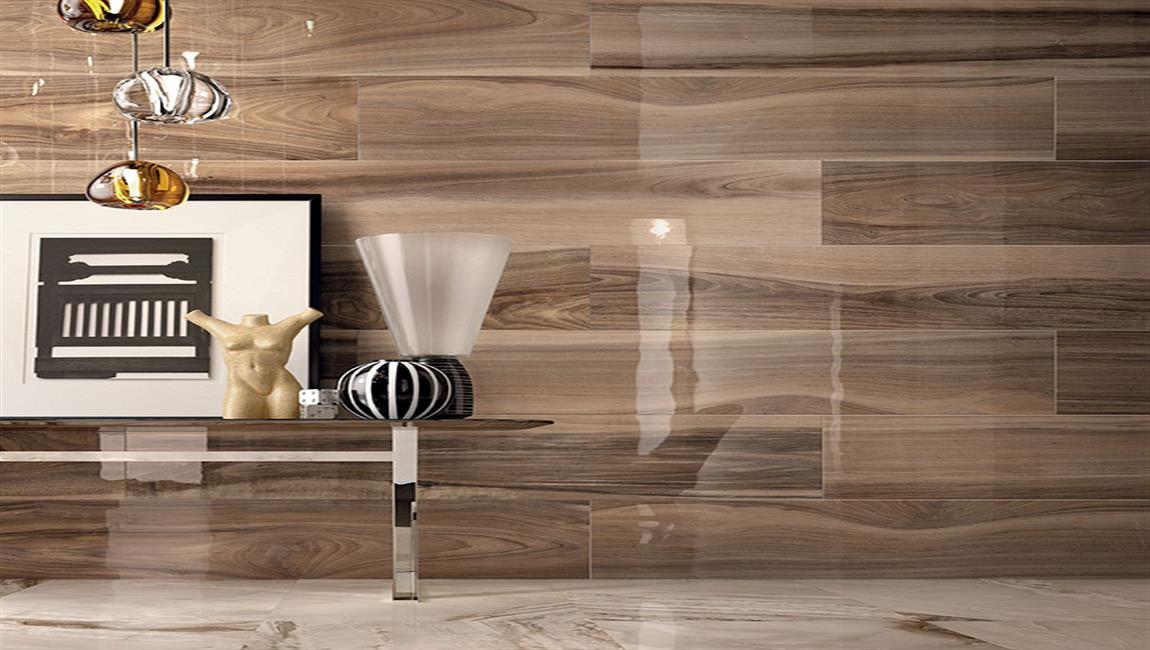
Besides, there are other tiles, such as the wood tile, which we often used, on the surface of our traditional tiles, by a certain process to make its surface with a natural pattern of wood tiles. According to own needs, you can choose tiles suitable for your own homes.

Glazed Tile Selection Guide

First, to see the stability of glazed tiles.

Glazed tile according to its production process can be divided into a single firing and two firing. But according to its stability, glazed tile SINGLE-FIRED relative to the two firing for thermal stability will be better, but the process of two kinds of production have their advantages and disadvantages, therefore, consumers can also choose according to different requirements in the purchase.

Two, look at the green strength of glazed tiles.

When choosing the best choice for a well-known brand manufacturers, have the test proved that high standards to ensure brand manufacturers can be suspended load more than 100kg will not have fracture phenomenon, but some poor ordinary manufacturers are unable to bear the pressure of 50kg, some of them are still prone to cracking phenomenon. Therefore, in the purchase to see the brand awareness of manufacturers.

Three. Look at the water absorption rate of glazed tiles.

In general, the wall glazed tile in the water absorption rate is about 10-20%, manufacturers are generally around 18%, and a glazed brick firing and the water absorption rate of only 10%-13%, if some high water absorption tiles in the tiling is very dirty in the cement, agreed to absorb, it will be easy to make. The glaze and embryo surface cracking, and some shoddy bricks with a period of time behind the foot will come off. Therefore, in the purchase, we should pay particular attention to the water absorption rate glazed tile.