How to Clean Concrete Patio


With everything that happens on your concrete patio – weather, barbeques, kids playing, oil spills – it’s no wonder that it needs a good cleaning once in a while. By mixing up the appropriate cleaner, carefully cleaning the concrete, and addressing special stains, you can get your patio cleaned up in no time.


These products will break down the stains. Apply the degreaser to the stain, then scrub it into the concrete. Allow it to sit for a few hours or as prescribed by the product instructions. Pat the spot with a utility rag to pull up the stain, then remove the excess with clean water. Reapply the degreaser as necessary.


You can dilute the degreaser if the stain is fresh. Some stains may require multiple applications. You can purchase a concentrated degreaser online or from most home improvement stores. Alkaline products can also neutralize acids that have soaked into the concrete. Use bleach and laundry detergent to remove mildew.


If you have plants on or near your concrete patio, the moisture they trap under their leaves can leave mildew stains. Mix 1 quart (slightly less than 1 L) of bleach with 3 quarts (slightly less than 3 L) of water. Add 1/3 cup (237 mL) of laundry detergent and mix the solution well. Apply the solution with a stiff-bristled brush and let it soak until the stain turns white. Be sure not to let it dry.


You can also try moving your plants to another area of the patio, and letting the sun and air clear the mildew away naturally. Use vinegar to remove algae. If you have algae on your concrete, you can use undiluted distilled vinegar and a stiff-bristled brush to clear the stain. If you have a larger area affected by algae, you can also try filling a liquid fertilizer applicator with pool chlorine and spray it through a garden house.

How Removing Tough Stains?

Use an enzymatic cleaner on pet stains. If you have stains from pets or other animals on your concrete, try an enzymatic cleaner like OxiClean. These types of cleaners target and help to break down protein in stains. You should apply these types of cleaners directly to the stain without diluting them with any liquid and then let them soak into the stain.


However, it can take up to a few days for these types of cleaners to break down the stains on your concrete. Use an oil-based cleaner on non-washable crayon stains. Oil-based cleaners like Goo-Gone and WD-40 are great for stains made by non-washable crayons. Spread on the cleaner and let it soak before scrubbing at it with a short, stiff-bristled brush. Then rinse with water.


Try laundry detergent on grease stains. If you have concrete stains made by grease, laundry detergent can help remove them. Make a paste of powdered laundry detergent and water for grease stains. Apply the paste to the stain, cover it tightly with plastic wrap (you can tape the edges to your concrete surface), and let it soak for 24 hours. Then scrub and rinse.


Sprinkle kitty litter over oil stains. For oil stained concrete, cover the affected area with a clay kitty litter and grind it in with your feet while you’re wearing old shoes. Let it sit for up to 24 hours and then sweep up the kitty litter and rinse it away. This might take a few rounds, depending on the size of the stains you cleaned and how much cleanser you had to use.


You can let the area dry naturally, particularly if you’re cleaning on a hot day. Make sure that you hose off any plants or planting beds that are around the concrete patio and may have been sprayed with cleaner. Use a degreasing agent for oil, grease, or hydrocarbon stains. Alkaline cleaners, which are also called degreasers, can help you remove stains caused by oil, grease, or hydrocarbons.

How Using the Cleaning Solution?


Clear the area to be cleaned. Sweep up any debris – leaves, twigs, etc – and move any outdoor furniture out of the way. Make sure that pets and kids can’t get into the area, particularly if you’re going to use bleach. Protect nearby greenery. Make sure to protect nearby plants.


Hose them down to give them a protective covering of water (it will help any bleach or vinegar slide right off) or cover them with light plastic. You can also create barriers between the area you’re cleaning and any grass by laying down rolled up towels or sheets at the edge of the grass.


Hose it down. Using your garden hose or buckets of water, rinse down the area to be cleaned. You can also use a bucket of water and a mop if you’re worried about the water draining properly. Apply the cleaner. Depending on the type of cleaner you’re using, you’ll want to spray, pour, or spread your cleaners over the area to be cleaned.


Use gloves and a protective face mask for this step, especially if you’re using bleach. You can let any of the mixtures soak for a few minutes or up to half an hour if you have particularly dark stains. If the stain persists after scrubbing, you may need to apply a second coating of cleaner. Wait 15 minutes before scrubbing again, and then hose it off.


Scrub with a short scrub brush. Once your cleaner has had time to soak, scrub at the stains with a short scrub brush. This will loosen up any stubborn dirt or grime that isn’t already lifted by the cleaner. Rinse off the cleaner. Once you’re done scrubbing, use a hose, spray bottle, or bucket of water to rinse the area you cleaned.

How to Select Wood Flooring


If you choose it right, your wood flooring will last you for years to come. Decorating your home will be a lot easier as well, since beautiful floors make for an excellent base for truly outstanding interior design. By learning how to decide between different types of wood flooring and how to adjust the final touches to match your decor, make sure you choose the best option for your home.


Look for labels on the nail slots in each panel. These slots are often marked with letters to help installers line up rows of panels properly. The vinyl panels are pretty thin, so don’t put the nails in too tightly. Pound the nails in so they’re about even with the upper lip of each panel. That way, the panels can expand and contract as the weather changes.


Attach a top strip to prevent water from seeping behind the vinyl. Use a snap-lock tool to punch a hole every 16 in (41 cm) over the upper furring strip. Set a vinyl strip or J-channel over the strip. Grip the strip between tin snips to guide it onto the vinyl panels. Secure it in place with more galvanized siding nails.


These are the only nails visible in the siding. Consider adding some primer and then painting over them with water-resistant latex paint. Keep the layer of mortar the same depth throughout the wall so the stone veneer fits evenly on the wall. Consider scratching the mortar with a scarifier, a metal rake, or another tool to improve the finished bonding.


Arrange the stone panels on the ground in front of the wall. The panels fit together like puzzle pieces, but you have to assemble them first to ensure they go together. Spread them out face down on the ground and push the pieces as close together as possible to eliminate gaps. Create the finished pattern you want your wall to have.

How Mixing Homemade Solutions?


Make a baking soda and bleach paste. If you want to remove stains that have developed over a season or so (for example, after leaves have been collecting on your concrete throughout the fall), mix up a standard concrete cleaner using three parts baking soda and two parts bleach. The consistency of the paste should be like pea soup – thin enough to pour on your concrete but thick enough that it won’t just run off.


Make a vinegar and baking soda paste. If you’re looking for a more environmentally-safe cleaner, try mixing up vinegar and baking soda. The exact amounts of vinegar to baking soda don’t matter as much as the consistency. It should have a paste-like consistency. Start by pouring some white distilled vinegar into a bucket or bowl and then slowly add baking soda.



The mixture will foam up, so add the baking soda slowly so you it doesn’t overflow. Give the bubbles some time to deflate so you can see what your consistency looks like before adding more baking soda. Make a vinegar and water solution. For smaller stained areas, you might want to try a vinegar, water, and salt solution that you can mix together in a spray bottle.


This allows you to be more targeted in the application of the cleaner and prevents it from seeping to places you don’t want it to go – like flower beds or the lawn. Use equal parts white distilled vinegar and warm water, then add a pinch or two of salt. Let this solution soak into your concrete for about twenty minutes.


There isn’t much extra work needed to fit the panels together. The manufacturer cuts them into shapes meant to fit together. The only exception is when you need to trim the stone to fit along the edges of your wall, which you can do with a diamond blade. Spread a 1⁄2 in (1.3 cm) mortar layer on the stone veneer.

Deciding on the Select Wood Flooring


Consider staining the wood if you want it to be more eye-catching. This is a great choice if you’re not going for a natural look or you’re not content with the color of your preferred wood species. Wood stain comes in a wide range of shades. Depending on what shade you use, you can either pronounce the original wood color or create a completely new look.


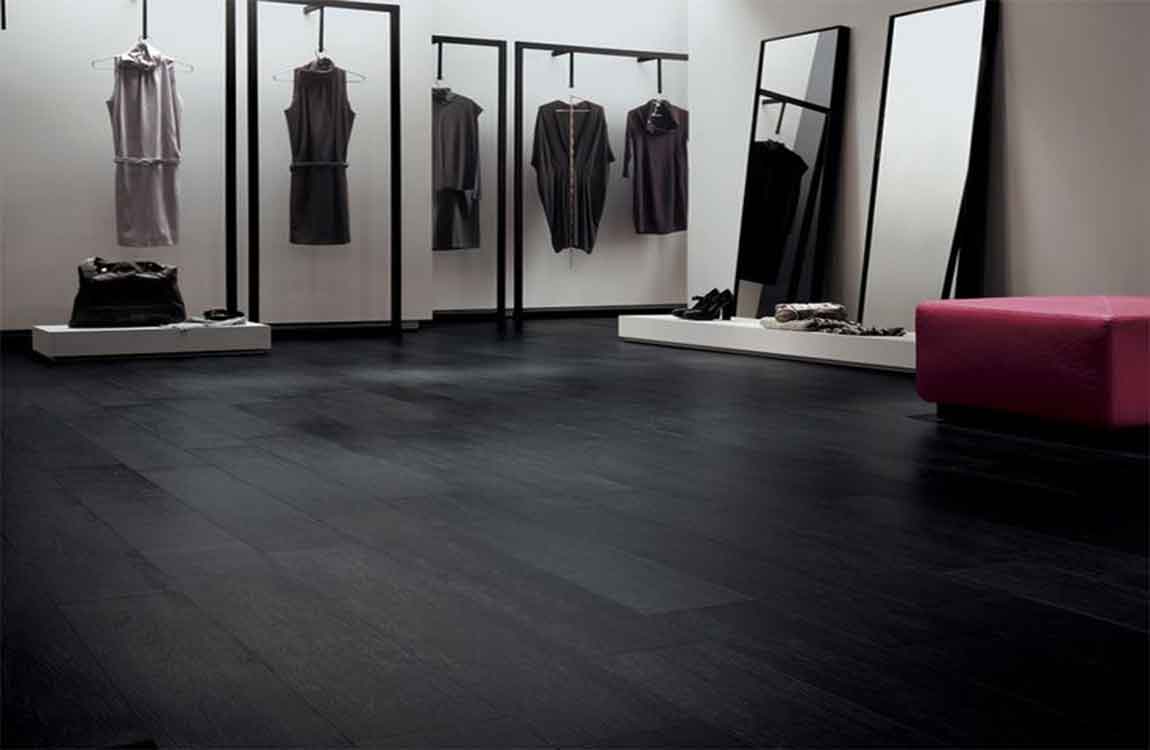
In modern interiors, dark charcoal and similar shades are used to make wood floorings look striking. Choose oil-based finish if you want to cut down on expenses. This type of finish is among the most commonly used. Apart from being affordable, oil-based finish is quite durable as well. It gives an amber glow, no matter the color of the wood itself.


Opt for moisture-cured finish if you want a high level of moisture resistance. Apart from being more resistant to moisture than any other type, this finish is highly durable in general. It comes in a variety of shades, so you can easily adjust it to the wood species of your choice. The shades range from completely clear to amber.


Go with natural oil finish if you want an extra durable top coat. Unlike most other types of finishes, which stay on the surface, natural oil finish penetrates into the wood. By doing that, it creates a protective interior layer. That’s also why it’s among the most durable finishes out there. In general, oil finishes are easily scratched. However, those scratches are a lot less noticeable than the scratches you make on other types of finishes.


Choose sheen level. Unlike the type of finish, sheen only affects the appearance of wood. You can choose from matte, satin, semi-gloss, and gloss finishes. While matte reflects the least light, gloss is the shiniest.

The Knowledge of Tiling Tiles

Scratch the stucco 5 to 10 minutes after applying it. Waiting allows the scratch coat to solidify it a little bit so you don’t accidentally end up scratching the wall underneath it. When you’re ready, get a tool called a scarifier, which looks like a handheld rake or comb. Rake it horizontally across the entire wall to scratch lines into the stucco. A scratch coat is a rough initial layer. You create scratch marks on it to create a base for the final layer to bond to, leading to a stronger wall covering.


The scratch marks don’t have to be perfectly horizontal or even. Simply drag the tool across the wall a few times. As long as you have marks along the entire wall, you can create a much stronger finish. If you don’t have a scarifier available, use the edge of a trowel or another tool. Make the scratches about 1⁄8 in (0.32 cm) deep.


Dry the stucco for 2 days, misting it twice a day. Leave the stucco exposed to harden in open air. Keep it wet by spraying it with water from a misting bottle each morning and afternoon. If you let the stucco dry out before it finishes curing, it may weaken and crack. Stucco is similar to concrete and needs to be treated the same way. Always let the first layer cure before applying a second one.


Apply a second layer of stucco and let it dry. Finish the wall cover by repeating the process with another 1⁄4 in (0.64 cm) layer. This time, instead of scratching the stucco, use the trowel to create whatever finished design you want. When you’re finished, mist it and dry it for at least 2 days.


For example, some designers sweep a trowel across the stucco to give it an uneven, ridged design. You could also use a scarifier to give it a scratched design or leave it flat if you wish. If you wish to use concrete pigment, don’t forget to mix it in with the fresh batch of stucco. Otherwise, you can apply wall paint to the stucco after it finishes drying.

The Knowledge of Cover Exterior Cinder Block Walls


Place vertical boards along the wall to connect the strips. Cut more furring strips to the size you used previously. Line these boards up with the edges of the wall, chalking straight guidelines as needed for the installation. Drill and screw these boards to the cinder blocks. Apply more vertical strips about every 16 in (41 cm) to create a framework for the vinyl siding.


Remember to install vertical boards around each door and window to complete the furring “frame.” These components need to be framed in order to waterproof them properly. Measure and cut the vinyl to fit evenly over the wall. Run a tape measure from the top edge of the upper furring strip to the bottom of the lower one. Add an extra 1⁄2 in (1.3 cm) to your measurement to account for overlap.


Then, cut the vinyl panels evenly to fit over the height of the wall. Use a circular saw with a plywood-cutting blade to trim the panels. Remember to wear goggles, earmuffs, and a dust mask to keep yourself safe while operating a saw. Attach a vinyl starter strip below the bottom furring. The starter strip is a slotted piece of trim used to hold the vinyl to the furring board.


Position it so it extends about 1⁄4 in (0.64 cm) below the lower furring. Place 1⁄4 in (0.64 cm) galvanized siding nails in the slots pre-cut in the starter to pin it in place. Look for vinyl siding kits online or at your local home improvement store to get all the components you need. Alternatively, buy the parts separately to suit your wall.


If you’re working around doors and windows, get more vinyl starters. You need corner pieces and J-channel pieces to connect them together. They attach to the furring boards the same way the starter does. Lay vinyl panels from the bottom of the wall to the top. Position the first row of vinyl panels over the starter strip on the bottom of the wall.

How to Install New Baseboard?


Baseboard is the trim that fits along the floor and makes a transition from floor to wall. It can help hold flooring in place. You may want to install baseboard in a new room or remodeled room or replace damaged baseboard. This is a simple job that most people with a few tools can handle.


Remove the old baseboard if it exists. Pry off the old baseboard carefully with a small pry bar so you can use it to mark and cut the new molding. Protect the wall as you pry off old molding so it won’t be damaged. Use a piece of scrap wood between the wall and the pry bar. You may be able to cut off damaged areas of molding and re-use part of the old molding.


Remove any nails that pull through the old molding and are left in the wall. Measure, mark and cut the new molding. Using the old molding to make a template for corner cuts and cuts around outlets or other obstructions is ideal. Make a template out of stiff paper or cardboard for difficult cuts if there is no old molding.


Molding pieces should end at a wall stud. Try to cut pieces so that you join two pieces at a wall stud. Allow for the depth of both pieces of the molding when butting two pieces together at a corner. If you have a miter box you can miter the corners (cut at an angle) so they fit together neatly. Make sure cuts where molding will meet another piece in a line are perfectly straight to avoid gaps between pieces.


Fit the molding pieces in place and adjust if needed. Make sure any flooring and wall coverings such as wallpaper or paneling are in place and any painting is done before installing the molding. Work with one wall at a time. Start at one corner and fit all the pieces in place.

Choosing the Right Type of Flooring


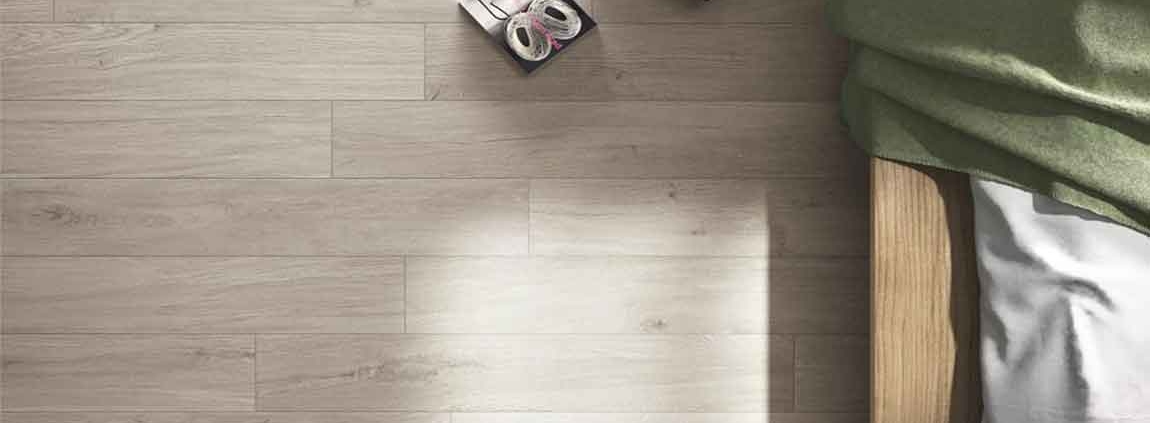
Choose solid flooring if you want to be able to refinish it in the future. Solid flooring comes in planks made solely of wood. It’s noticeably quieter and can be refinished over and over again since it gives plenty of solid wood to work with. However, solid flooring is also prone to expansion and contraction, which can change its appearance over time.


Opt for engineered flooring if you want the wood to be more stable. Engineered flooring consists of multiple layers, only the top one being solid wood. The way engineered flooring is made prevents it from expanding and contracting, which means it always stays the same. However, it usually comes with a pretty thin layer of solid wood, which doesn’t leave enough room for future refinishing.


If price is a big concern, engineered flooring is a better option. Not only is it cheaper, it can also be installed directly onto concrete floors, which can significantly reduce your costs. Get prefinished flooring if you prefer not taking risks. With prefinished flooring, the top coat is added before the planks leave the factory, so you know exactly what you’re getting.


Also, you don’t need to rely on your contractor’s skills when it comes to finishing touches. Once the flooring is delivered, it only needs to be installed. Go with unfinished flooring if you want a higher level of control. Unfinished flooring gets delivered without the top coat and has to be finished on site.


This is riskier, since you don’t see the end product before it’s already installed. However, choosing for the flooring to be finished on site allows you to make adjustments during the entire installation process. When it comes to price, unfinished flooring is less affordable, since you need to pay a contractor to first install your flooring and then do the finishing touches as well.