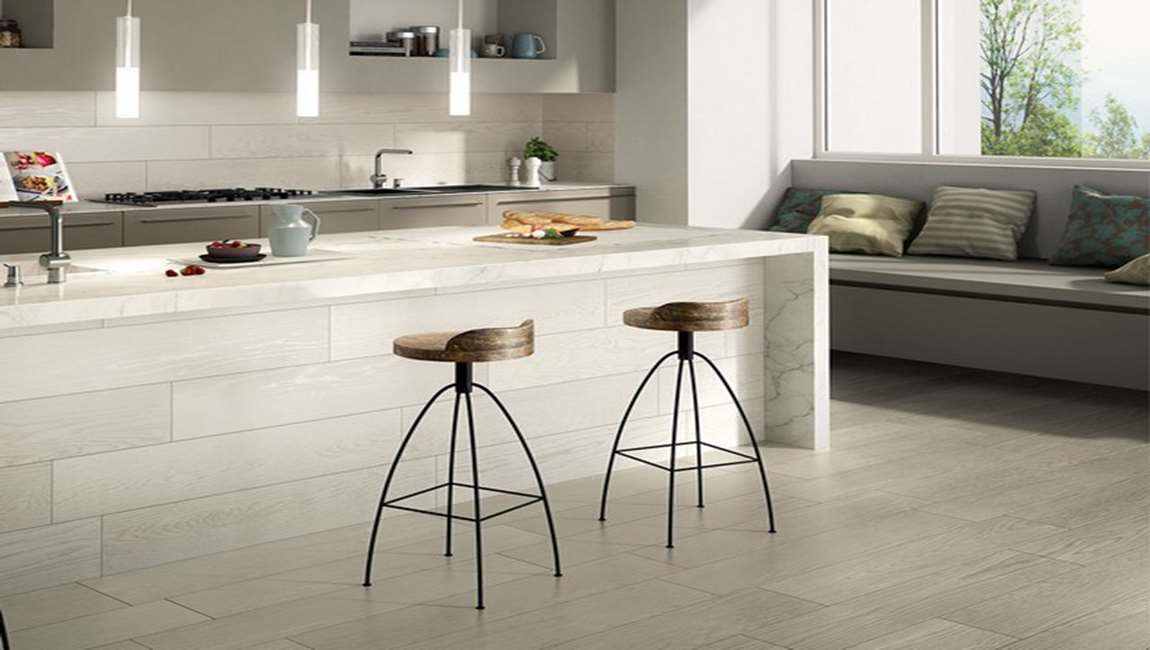
How to Cleaning the Tiles with a Baking Soda Paste?

Mix 3 parts baking soda to 1 part water in a bowl. Mix the baking soda and water together until it forms a thick paste. The paste should have a toothpaste-like consistency. If the mixture is thin, then keep adding more baking soda until it reaches the desired thickness.

For tough stains, add hydrogen peroxide to the mix by substituting half of the water with peroxide. Alternatively, you can use a marble tile cleaner to clean your wood marble tiles if you do not want to use a baking soda paste.

Apply the paste with a sponge. Do this by spreading the paste over the tiles. Make sure to apply a generous amount in between the tiles and on tough stains. Spray the paste with the vinegar solution. The vinegar will react with the baking soda, making it bubble. The vinegar helps the paste eat through the soap scum.

Scrub your tiles with a scrub brush. Use a stiff bristle brush or a grout brush. Scrub your small tiles in a circular motion. Use pressure to remove tough stains and mildew from the tile, as well as when cleaning in between the marble wall tiles. For small crevices, use a toothbrush.

Rinse with warm water. Use a bucket or pitcher to rinse your tiles. Pour the water over the rustic tiles until all the soap and residue are removed. You may need to rinse your tiles three to five times. Dry the wall tiles with a clean towel. This will prevent water from pooling in corners and crevices, which will help in the prevention of mold and mildew growth.

Spray the vinegar solution onto the stone tiles. Do this after you finish showering two to three times a week. This will help keep your shower tiles clean for a longer period of time. Keep a spray bottle labeled “shower spray” in your shower for easy access. If you have children, keep the bottle up high and out of reach.


How to Pre-Treating Soap Scum Before Clean Shower Tile?

Cleaning your shower tiles is simple, but it may take some time depending on how dirty they are. Start by pre-treating the tiles with a water-vinegar solution. Then apply a baking soda paste to the small tiles and use a stiff bristle brush to scrub away scum, mildew, and grime. Prevent future buildup by drying your tiles four to fives times a week after showering.

Run your shower on a high temperature. Let the hot water run for at least 10 minutes. The hot water will open the tile’s pores, making it easier to clean. Mix 1 part vinegar to 1 part water in a bowl. Mix the ingredients together in the bowl until they are well-combined. Then fill a spray bottle with the solution.

Spray the solution onto your shower tiles. Make sure to spray more solution onto dirtier areas, as well as the spaces in between the tiles design, i.e., the grout. Since you will be using this solution later on, do not use up all of the solution at this point, or make more solution as you clean.

Let the solution set for five minutes. This will loosen the soap scum. Depending on how dirty your tiles are, you may need to let the solution set for 30 minutes or longer. Scrub the soap scum. Use a stiff bristle brush or a grout brush to do this. This will further loosen the soap scum, making the only tiles easier to clean.

Rinse with warm water. Do this by turning your shower on again. Use a lower temperature setting. However, the water should still be warm. Alternatively, you can use a bucket or a pitcher to rinse the tiles.

Squeegee your tiles. Do this by keeping a squeegee in your bathroom. Squeegee your bathroom tiles five to seven times a week after showering. Make sure to squeegee corners and crevices. Dry your casstle tiles with a towel. Keep a specially designated towel handy in your bathroom to do this. Dry your tiles off five to seven times a week after showering.

How to Trimming Tile with a Wet Saw?

Where you want to make the cut on the floor tile using a square. A square will help you draw straight lines for cutting. Use a lead or grease pencil to make your marks. Don’t use a permanent marker. This will be very difficult to remove from the rustic tile in the end. Fill the tray of the wet saw with water by turning on the water pump. The water will cool down the blade of the wet saw. Don’t fill the reservoir past the maximum line marked on the edge of the tray.

You can cover the floor underneath the saw with a plastic drop cloth if you’re worried about it getting wet. There’s a chance water will spray or splash out of the reservoir. Set the wall tile on the saw, lining up the blade with the cut mark. Before turning on the saw, you may want to slide the tile about 1 inch (2.5 cm) back from the blade so it doesn’t start cutting immediately. Make sure the tile is completely flat on the surface of the saw.

If you put the widest section of the clound tile between the blade and the fence, you’ll avoid having to get your hand too close to the blade. Lock the fence along the edge of the only tile for a straight cut. The fence (also known as the lock plate) can be shifted from side to side along the saw to adjust for different sizes of tile. It’s a long bar that sits on top of the saw’s table next to the blade. Push it flush against the edge of your ceramic tile once you have it aligned with the blade, and lock it into place.

To lock the fence, there should be a small lever on the side of the fence. Pull it out towards you to unlock it and push it in against the saw to lock it. You can lock the fence on either the right or left side of the blade. It depends on which is most comfortable for you. Turn on the wet saw by pressing the button on the side of saw. The “on” switch may be a green button. Wait for the water to cover the blade before you start cutting.

Wear safety glasses and gloves to protect yourself from flying debris. Always leave the protective plastic covering over the blade while you’re cutting. Push the tile gently along the fence into the blade. You shouldn’t have to force the tile through the blade. You’re simply guiding it along using both hands. When you get near the end, firmly press the 2 halves of the glazed rustic tile together as you push it through the blade so that the tile doesn’t break before the cut is made.

Make any necessary adjustments to the kitchen tile while you guide it. If the blade starts straying from your cut mark, gently push the polished tile back into place. Harder or thicker tiles design should be pushed through at a slower rate. You’ll know you’re pushing it too fast if you hear the blade slow down. Never take your eyes off the blade as you cut. Looking away for even just a second is very dangerous.

Keep your hands as far away from the blade as possible. If you need to, you can use a piece of scrap wood to push the tile through the blade. Turn off the saw before removing the marble tile from the table. The “off” switch is typically a red button on the side of the saw. Wait until the blade has completely stopped rotating before you grab the tile. Make sure the bathroom tile is free of the blade before you reach over to turn off the saw. Otherwise, it could go shooting off the table. After you unplug the saw, you should use a damp sponge to wipe it down and remove any debris.

How to Cut Tiles with a Grinder?

Whether you’re renovating a bathroom or installing a new backsplash in the kitchen, you’ll likely have to cut pieces of tile. But you don’t necessarily need a tile cutter. For any type of marble wall tile (like ceramic, glass, or porcelain), an angle grinder is best for round cuts whereas a glass cutter can make smaller cuts. And if you have a lot of rustic tile to trim, a wet saw is one of the easiest, quickest options.

Draw the cut line on the front of the tile with a tile marker. The “front” of the marble tile is the side that’s smooth or glazed. If you have a circle template or rounded edge you can trace, your line will be more accurate. If you don’t have a wall tiles design marker, a lead pencil or crayon will work, too. For a dark piece of tile, lay a strip of masking tape on top of the wall tile where you want to cut and draw your line on top of the tape instead of the tile. This way you can see the line and it won’t blend into the samll tile.


Secure the spots tile to a flat workbench using a C-clamp. The edge of the tile that you’ll be cutting can hang off the side of the bench just enough so that the cut mark is not on the bench. This prevents you from cutting into the bench itself. Loosen the clamp by twisting the top screw counterclockwise. Place the clamp vertically against the workbench so that the wood tile and bench are sandwiched between the ends of the clamp. Turn the screw clockwise until the clamp is tightly holding the polished tile in place.

It’s best to do this outside because the process creates so much dust. You can use another type of clamp if you don’t have a C-clamp. You’ll find a variety of types at a hardware store. Get your grinder ready by putting in a continuous rim blade. Using this kind of blade instead of one that’s segmented makes for a much smoother cut. Locate the nut in the center of the blade disc and use a wrench to loosen it. Once you remove the nut, pop the old blade out and set the new one in position. Screw the nut tightly back on over the new blade. Keep the wheel guard down at all times for safety.

Cut through the wood marble tile with the grinder, making several passes. Slowly pull the angle grinder along your cut line. The first time you cut, you shouldn’t try to go all the way through the tile. Simply score it, then use that indent to guide your blade on your second pass for a deeper cut.

Do as many rounds of cutting as necessary. Rushing the process will end up with jagged edges or an inaccurate cut. The harder the material of the only tile, the more cuts you’ll have to make. Wear protective glasses and a dust mask when using an angle grinder as there can be a lot of debris in the air.

How to Cut Tiles with a Glass Cutter?

Draw a straight line for your cut using a square. You can use a specific marble tile marker or a crayon. Set the square about 1⁄4 inch (0.64 cm) below the line, allowing room for your pencil or marker to line up perfectly with your measurement. You can buy a square at a hardware store or from an online retailer. If you don’t have a square, you can use anything that has a straight edge.

Score the tile along the cut line with the glass cutter. Firmly press down on the glass cutter as you drag it along your marked line. The idea is to just cut partially through the glazed rustic tile. You don’t want to push hard enough that you cut all the way to the bottom of your ceramic tile. Scoring should sound like a scratching or crackling noise.

You can buy a glass cutter at a craft store or hardware store for around $10. It’s a small hand tool with a sharp blade that cuts through glass and other hard materials when you press down and drag. Set a square along the cut line during this step to help guide the glass cutter.

Place a wire clothes hanger underneath the scored cut on a flat surface. A sturdy surface like a workbench or thick piece of plywood is best. Line up the long wire part of the hanger with the scored line. If you don’t have a wire hanger, you can use a thick piece of regular wire. It just needs to be thin enough to run along the scored line.

Break the tile along the score line by pressing down on each side. Use your palms to push gently to avoid splintering the wall tile, but use enough pressure to cleanly break the polished tile. The wire hanger elevates the tile slightly off the table so the sides of the tile size have room to snap off.

Wearing safety glasses when you break the tile will protect you from any pieces that might fly off. The spots tile should snap very easily. If it doesn’t, you may need to score it again. If you have a rough cut edge, you can sand it on a slab of concrete or a brick to smooth it out.

How to Cleaning Solid Stone Tiles?

Dry mop solid stone tiles every day or two. Dry mop your tiles every day or as soon as you notice dirt or debris. The dry dust mop will prevent sand and grit from rubbing against the tiles which can cause scratches. You should dry mop if your rome stone tiles are made of: Granite, Slate, Limestone, Marble, Sandstone


Wash the new sand stone tiles with soap and water. Fill a 5 US gal (19 L) bucket with water and a few squirts of mild dish soap or stone soap. Dip a mop into the soapy water and wring it out. Mop the tiles in small, overlapping circles to remove the dirt and prevent streaking. Choose a soapstone with a pH level of 7 or try to find a soapless cleanser since it won’t leave streaks. If you’re using dish soap, choose one that’s phosphate-free and biodegradable.


Identify if you should use a bleach solution. To remove algae or moss, clean the tiles with a bleach solution. If your solid stone tiles are near a pool, patio, or hot tub, wash them off with clean water. Pour 2 gallons (7.6 L) of water into a bucket and stir in 4 tablespoons (59 ml) of bleach. Use a sponge or mop to wash the area with the mild bleach solution.


Rinse and dry the tiles. If you’re cleaning a large space, take a garden hose and rinse the tiles design with clean water to remove any soap residue. If you’re cleaning a small area, you can dip the mop in clean water and wring it out. Mop over the wood tiles so they’re rinsed with the clean water. Wipe the tiles with a soft cloth until they’re dry and let them air dry completely.


You’ll need to change the water several times and keep rinsing until the soap residue is completely removed. Stone tiles tend to fade in color over time due to sun exposure, so use a stone enhancer and sealer to protect them. Make sure you find one that is safe for outdoor use. Avoid cleaning with abrasive materials. Never clean your solid stone tiles with anything that’s abrasive. These can scratch and damage the tiles. When making or buying cleansers, avoid: Hard bristle brushes, Vinegar or lemon juice, Products with acid cleansers.

How to Cleaning Wood and Composite Tiles?

Sweep the wood or composite tiles every few days. Try to sweep your tiles every day or as soon as you notice dirt, leaves, or grime. Use a soft, natural bristle broom to remove the debris that’s on the spots tiles. Regular sweeping will prevent your marble tiles from becoming caked with dirt or stained.

Wash the tiles with soap and water at least once a month. Fill a 5 US gal (19 L) bucket with water and a few squirts of mild dish soap. The water should be soapy and bubbly. Dip a mop into the soapy water and wring it out. Mop the wood tiles until you’ve removed the dirt. You can use a string mop or sponge head mop. Just avoid using a scratchy or abrasive mop on the tiles.


Rinse the polished tiles. If you’re cleaning a large space, take a garden hose and rinse the polished tiles with clean water to remove any soap residue. If you’re cleaning a small area, you can dip the mop in clean water and wring it out. Mop over the cement tiles so they’re rinsed with the clean water.

Remove any grease stains. As soon as you notice an oily stain, wipe up whatever caused it. Dip a sponge or soft cloth into soapy water and wash the stain. This might remove the stain on its own. If not, use a deck stain remover that’s specifically made for wood or composite tiles. You’ll need to follow the manufacturer’s instructions. The longer the stain sits on the polished porcelain tile, the harder it will be to remove. That’s why it’s important to clean up the stain quickly.


Deep clean your wood marble tiles twice a year. In addition to keeping your wood and composite tiles swept and clean, you should try to deep clean the marble tiles in the spring and fall. Buy a wall tile cleaner developed for wood or composite. It should contain sodium hypochlorite. Follow the manufacturer’s instructions. Sodium hypochlorite will prevent mold and mildew from growing on your tiles.


Avoid cleaning with abrasive materials. Your wood or composite tiles may become slightly scuffed over time. These scuffs may disappear on their own, so avoid trying to remove them with abrasive cleansers (like sandpaper or pressure washers).If you place salt or ice on your glazed rustic tiles in the winter, clean it off as soon as the hazardous weather passes. Ice and salt can damage the tiles if they sit on them for very long.

How to Clean Porcelain Tiles?

Outdoor tiles are a great way to beautify a space, but you do need to clean them regularly. Identify what your floor tiles are made of (porcelain, wood, composite, or solid stone). Dust or dry mop the dirt and debris before you wash the tiles with a mild soap or vinegar solution. You’ll need to deep clean the tiles once or twice a year to prevent mold and mildew from growing. To keep the tiles design looking great, always avoid using abrasive cleansers and products.

Sweep the tiles daily. Try to sweep your porcelain tiles every day or so. Use a soft, natural bristle broom or take a vacuum attachment and suck up the dirt. Regular sweeping will prevent your tiles from becoming caked with dirt and stained. If your porcelain tiles lead up to an entryway for your house, you’ll want to sweep them more often. This will prevent people from tracking dirt into your house.

Wash the tiles with clean water once per week. Every few days (or whenever you notice a little dirt or grime building up) you should clean your outdoor porcelain tires with warm water. Fill a bucket with clean, warm water and mop the wood marble tiles. This will remove most of the dirt and keep the tiles looking their best. Try to wring most of the water out of the mop. You don’t want excess moisture just sitting on the tiles.

Deep clean the marble tiles once a month. At least once a month, fill a large bucket with 2 gallons (7.6 L) of clean water. Add 1⁄4 cup (59 ml) of white vinegar and stir the mixture well. Submerge a mop into the cleanser and wring it out. Mop the floor with the cleaner to loosen any dirt. If you prefer, you can buy a commercial cleaner designed for porcelain tiles instead of using the vinegar mixture.

Rinse and dry the deep-cleaned tiles. Once you’ve scrubbed the floors with the vinegar mixture, submerge the mop into clean water and wring it out. Mop the floor with the water to rinse off the rest of the cleanser. Take a large clean towel or microfiber cloth and dry the tiles. If your porcelain tiles are really dirty, you may need to deep clean and rinse them a second time. If your porcelain tiles cover a large space, consider mopping, rinsing, and drying small sections of the floor at a time.

Remove stains as soon as you notice them. Try to remove any stains as soon as you notice them. Fill a 5 US gal (19 L) bucket with water. Buy a commercial floor cleaner that’s safe to use on porcelain and add 3 to 4 capfuls of the product to the water. Use a small brush or mop to scrub the mixture over the stain until it’s removed. Avoid using an oil-based cleanser for stain removal on your porcelain tiles. These can leave an oily residue on the tiles which can make them slippery.

Avoid cleaning with abrasive materials. While you might think that you need to scrub built on dirt with a rough brush, you should avoid anything that’s abrasive to the porcelain. Avoid using abrasive cleaners like: Hard bristle brushes or steel wool.Cleaning products with ammonia or bleach Oil-based detergents or wax cleansers.

How to Protect Marble Tile?

Apply a poultice. For stubborn or old stains, you may need a poultice, which is a thick, paste-like cleanser, to get them off your marble tile. You can buy commercially-made poultice powder that you simply combine with water. Follow the instructions to mix the paste, and apply it generously to the stain. Allow it to sit for 1 to 2 days under plastic wrap before removing the plastic and letting it dry. You can then rinse the poultice away with distilled water and buff it dry with a clean, soft cloth.

You can find poultice powder at your local hardware, home improvement, or stone supply store. When applying the poultice to the stain, the layer should be approximately ¼ to ½ inch thick. Secure the plastic wrap over the poultice with painter’s tape to ensure that it’s airtight.

Wipe up spills quickly. Anytime that a liquid sits on the surface of your tile design, it has the potential to stain or discolor the marble. Acidic liquids, such as citrus juices, wine, coffee, and vinegar, are a particular danger to marble, but even a puddle of water that isn’t cleaned up quickly can stain the tile. To avoid discolorations, wipe up any spills on the marble as soon as you see them.

You can wipe up water with paper towel or a clean cloth, but if an acidic liquid spills on the subway tile, wipe it up and then clean the air with a cloth dampened with water and dish soap. Make sure to dry the surface thoroughly when you’re done. If you have marble in your bathroom, remember to dry the wood tile after every shower and bath.

Use protective coverings. The best way to protect your marble tile from stains, discoloration, and other damage is to cover it. Use coasters and trivets on tiled countertops to keep any liquids or food that drip over the edge of a glass or pan from falling on the marble. On tile floors, place mats or throw rugs near doorways so you can wipe dirt and debris off your feet before walking across the marble. If you want to protect a marble tile floor from scratches, try placing rubber mats under metal furniture and accessories. It’s also a good idea to place them under plants and flower pots.

Seal the wood marble tile monthly. To protect your marble surface from stains and discoloration, it’s important to apply a sealant approximately once a month. It forms a protective film over the marble so you have more time to wipe up spills and clean stains. You can purchase marble sealer at your local hardware, home improvement, or stone supply store. Follow the directions on the bottle, but you usually mist it on, allow it to soak in, and then wipe down the surface. Make sure to start with clean marble tile before applying the sealer. If you want extra protection, you can apply a second coat of sealer after the first one is completely dry.

How to Clean Marble Tile?

With its attractive colors and veining, it’s no wonder that marble tile is such a popular choice for floors, countertops, and shower stalls. It sometimes gets a bad rap, though, because it’s softer than granite or porcelain, so keeping it clean seems like a major challenge. However, once you know the proper products and techniques to use on marble tile, cleaning it can be a breeze.

Dilute dish soap with warm water. Cleansers that are too acidic can actually damage marble tile, which means you shouldn’t use products with lemon, vinegar, or bleach on it. That’s why a gentle, non-abrasive dish soap, which has a neutral pH, is the best option for cleaning marble. For the best results, mix approximately 8 ounces of warm water with one tablespoon of the soap in a spray bottle or other container. Shake the mixture well, so the two ingredients are mixed. Don’t use an all-purpose cleanser on your tile unless it’s specifically marked as safe for marble.

Apply solution to the marble. If you’re using the dish soap and water solution to clean marble tile on countertops, you can apply it directly from the spray bottle. For floors, use a soft mop to apply to the wood tile. Make sure not to apply too much of the solution to the marble, though — the tile surface should be damp, but there shouldn’t any pools of liquid. If there is any standing water on your marble tile, wipe it up as quickly as possible.

Wipe off tile and thoroughly dry. After you’ve applied the soap and water solution to your marble tile, you need to wipe down the surface to remove any dirt and debris. Use a hot, wet cloth to wipe down any super white tile on your countertops or a mop dampened with hot water for your floors. Next, take a soft, dry towel or mop to thoroughly dry and buff the tile design. Make sure the cloth or mop that you’re using to wipe off the soap isn’t too wet. Wring the material out carefully to prevent too much water from sitting on the marble surface.


Use a dust mop. If you have marble tile on your floor, you may sometimes need to remove dust, dirt, and other debris, such as crumbs or loose subway tile. However, while a vacuum may be the easiest way to clean up this type of mess, you’re better off using a dust mop to clean the floor tile. Vacuum cleaners with worn wheels and metal attachments can easily scratch the tile surface. If you want to use a vacuum on marble tile, check the wheels to make sure that they’re not scuffed or rough in any spots. Don’t use metal attachments either.