

How to Install Tiles on a Concrete Basement Floor?
At first glance, installing tiles might seem like tough work. Indeed, very few people choose to install their tiles themselves during renovation, instead choosing to let a professional handle it. If you want to tackle the job yourself, a basic overview can help you on your way.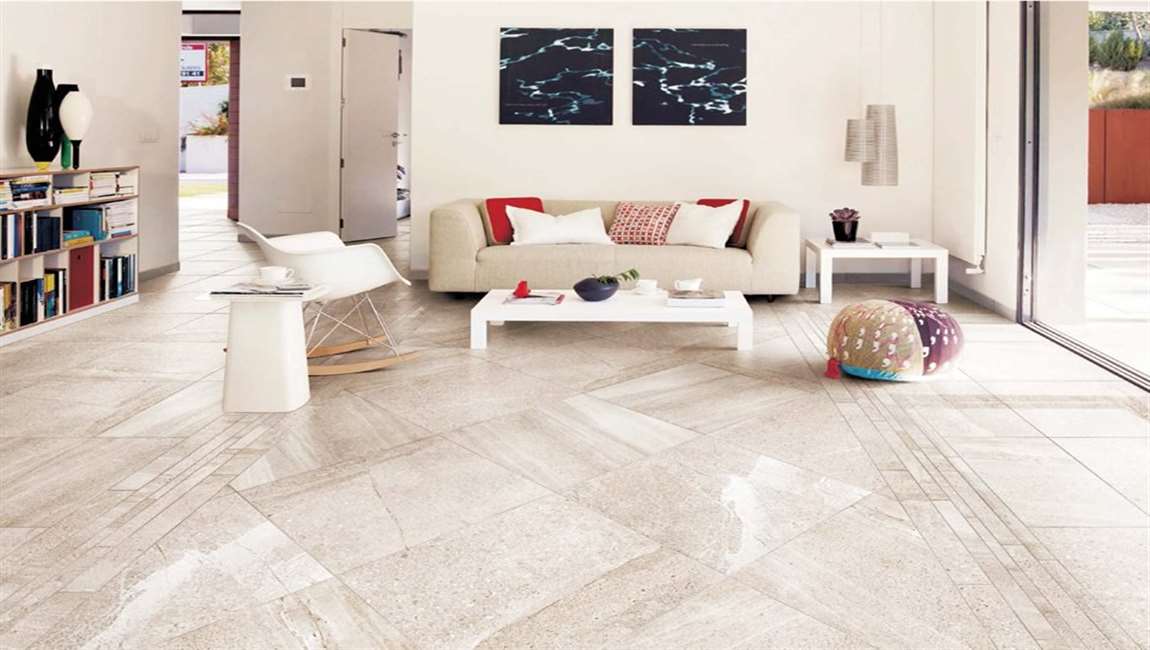 Pick the right tile. Concrete floors are dull, drab and boring, but oftentimes people lack the time or the necessity to lay down an alternative floor. Most often, concrete floors are seen in basements and other out of the way places. However, if you choose to remodel your basement and need a new floor, the first thing to consider is what type of floor you need. Several varieties of tiles, including ceramic and vinyl, can be used; choose the one that best suits your anticipated use.
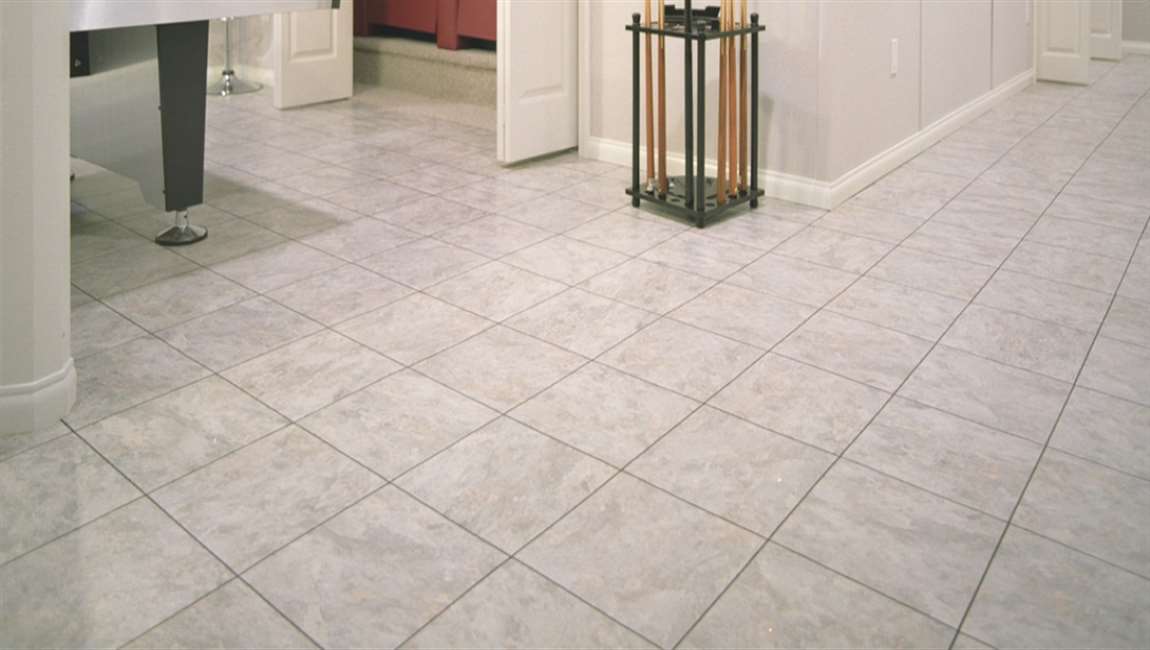 Clean the concrete surface. This is a vital step of the project. Accumulated mud, dirt and other debris must be removed completely to ensure that the tiles are laid properly and stick to the concrete. For this purpose, be sure to use a commercial or industrial strength cleaning agent, along with lots of water and a brush.
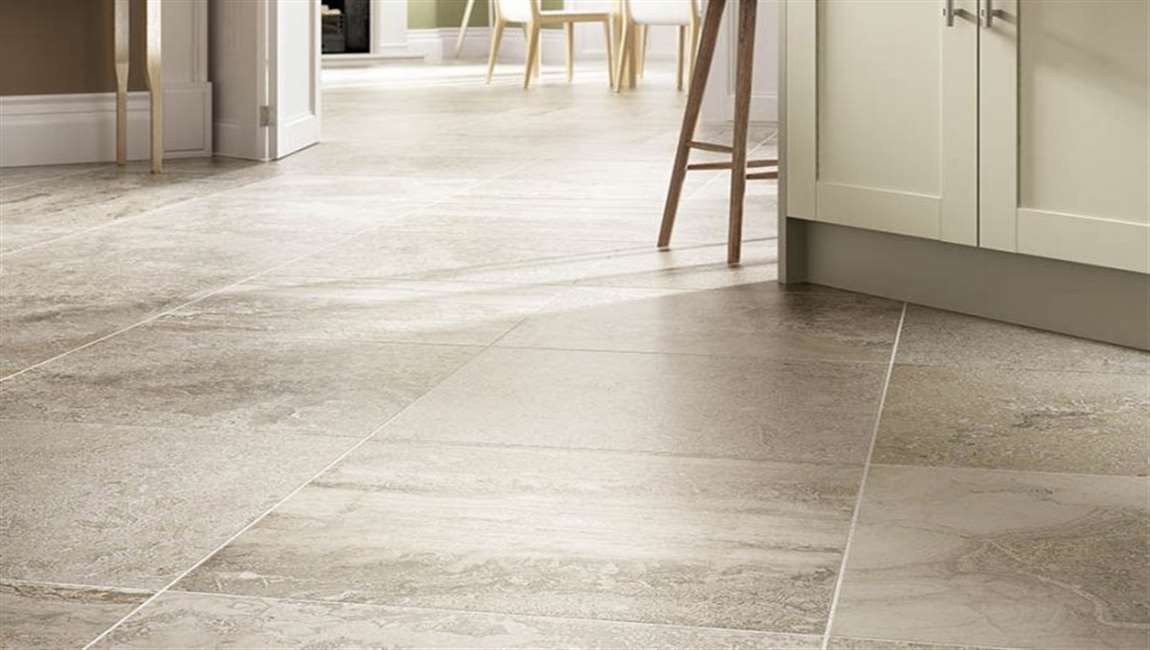 Perform the concrete repairs and leveling. To lay an even surface, the underlying concrete needs to be uniform and level as well. To achieve this, get rid of any protrusions, bumps or cracks in the surface. Using sandpaper to level the bumps and concrete and other fillers to stop cracks, you should be able to get a smooth surface. Be sure to wash it after this is done and let it dry.
 Plan the layout. After preparing the surface, plan how you intend to lay down the tiles. Depending on size and shape, you can have a wide variety of patterns to choose from and you may even decide to get creative with your patterns and create something original. Be sure to plan this out carefully before starting the actual work to ensure that there are no mistakes.

 Disinfect
  Dissolve
  Wash water-based stains on
 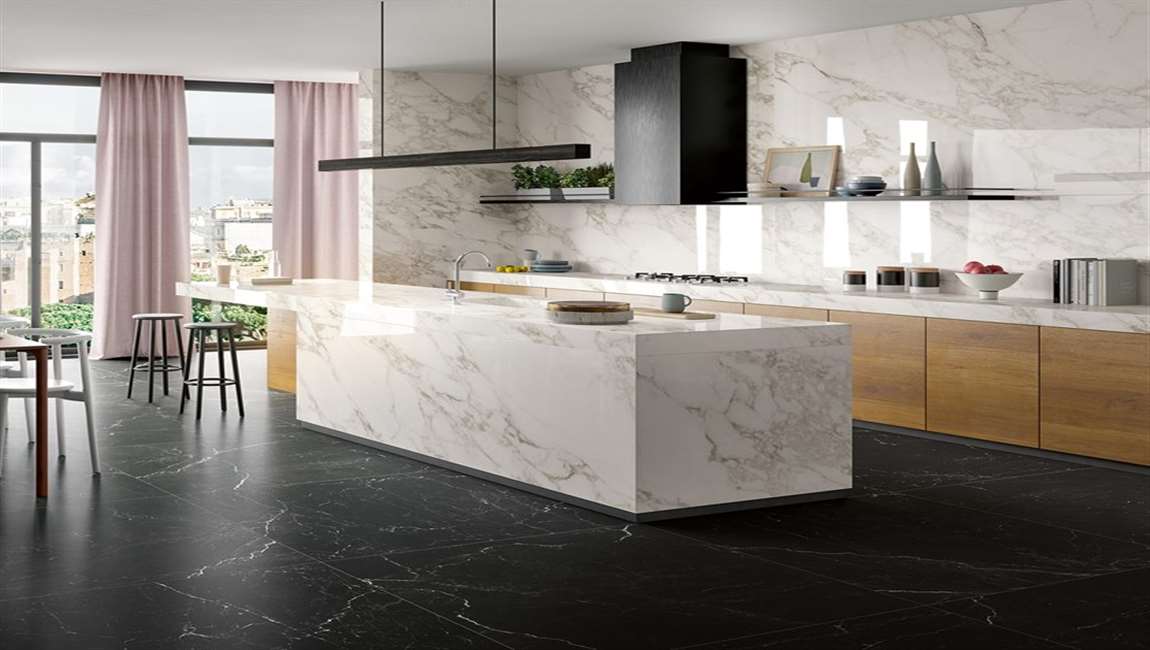 Use a poultice on resistant stains. Stains that do not want to disappear with regular cleaning and stain removal techniques require the use of a poultice. Make a paste out of cleaner and a powder, like talc, powdered chalk or dry kaolin clay. Spread the mixture over stains a 1⁄4 to 1⁄2 inch (0.64 to 1.27 cm) thick, cover with plastic wrap, and let it sit for 24 to 48 hours. Mix a 1⁄2 cup (120 mL) baking soda with 1 tablespoon (15 mL) water for oil stains. Mix a 1⁄2 cup (120 mL) talc with 1 tablespoon (15 mL) acetone for water-based stains.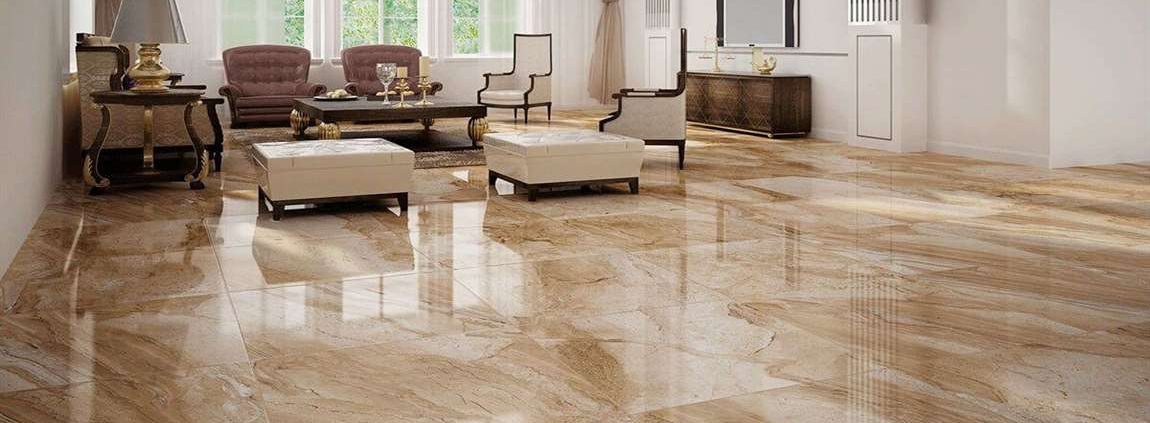
 Sweep with a soft broom every day. Dirt and crumbs can build up and potentially scratch your
  Mop with a soft sponge or mophead weekly. Keep grime at bay by mopping
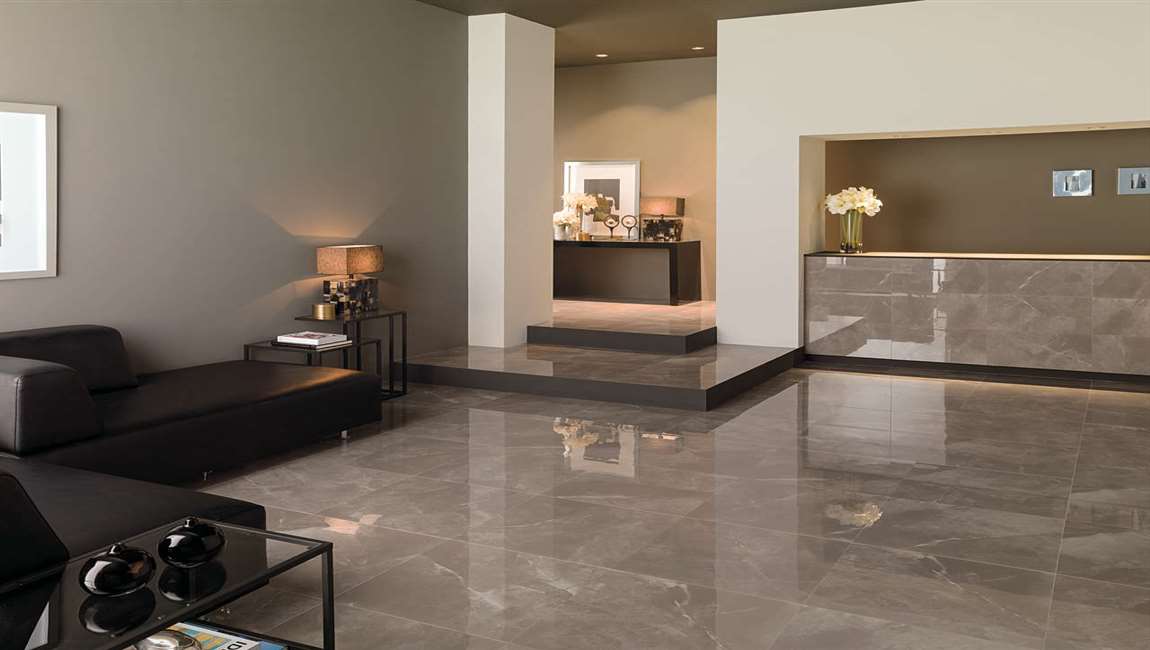
  Use a stone cleaner on soft stone. Marble and limestone can scratch easily, so make sure you mop them weekly with a
  Scrub grout with a soft brush. Use a soft scrub brush to get to spaces between
 If there isn’t a chipped
 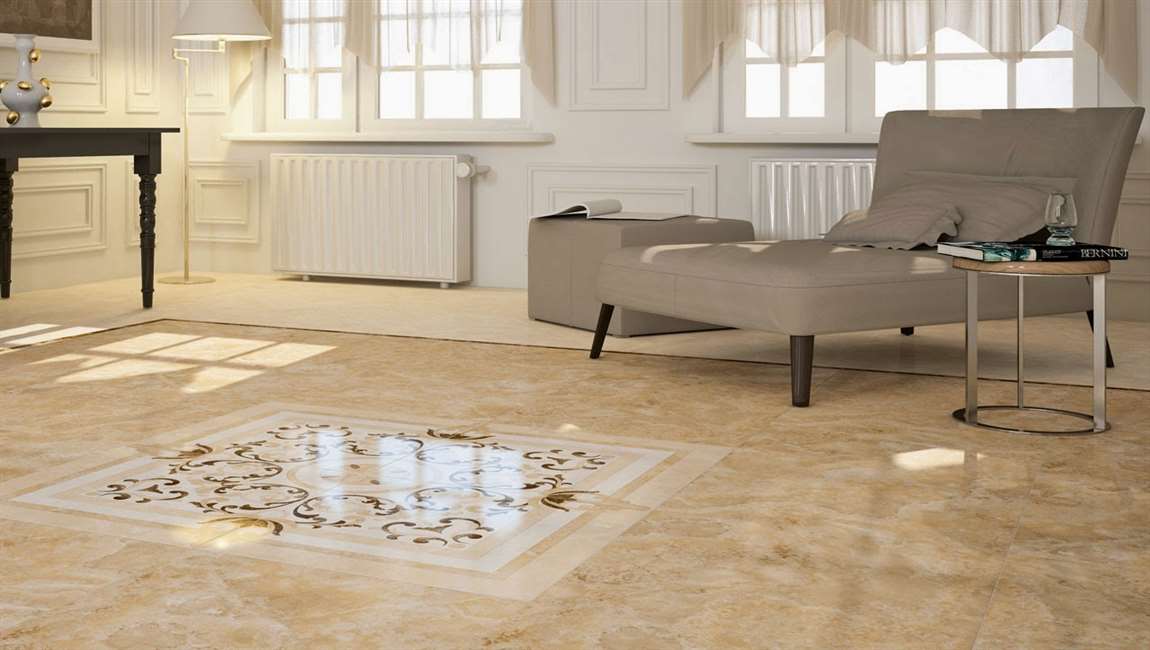 Hit the chisel with a mallet to lift the
 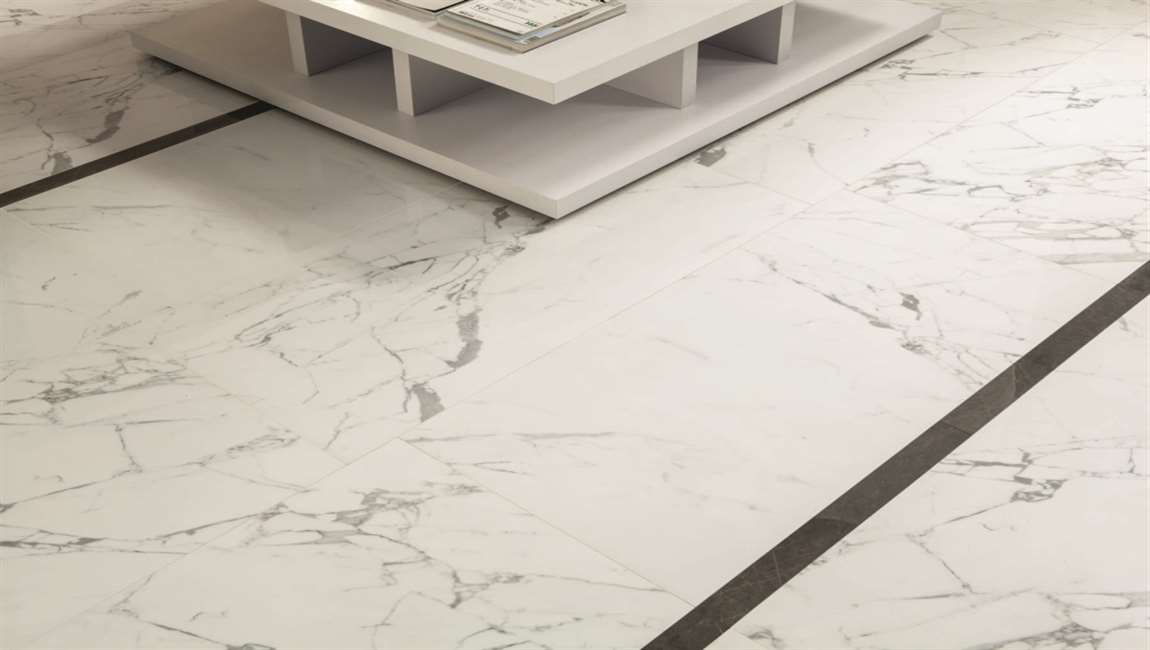 Continue removing the
  Strike the top of the
 Hit the
  If your
  Pry up the edge of the
 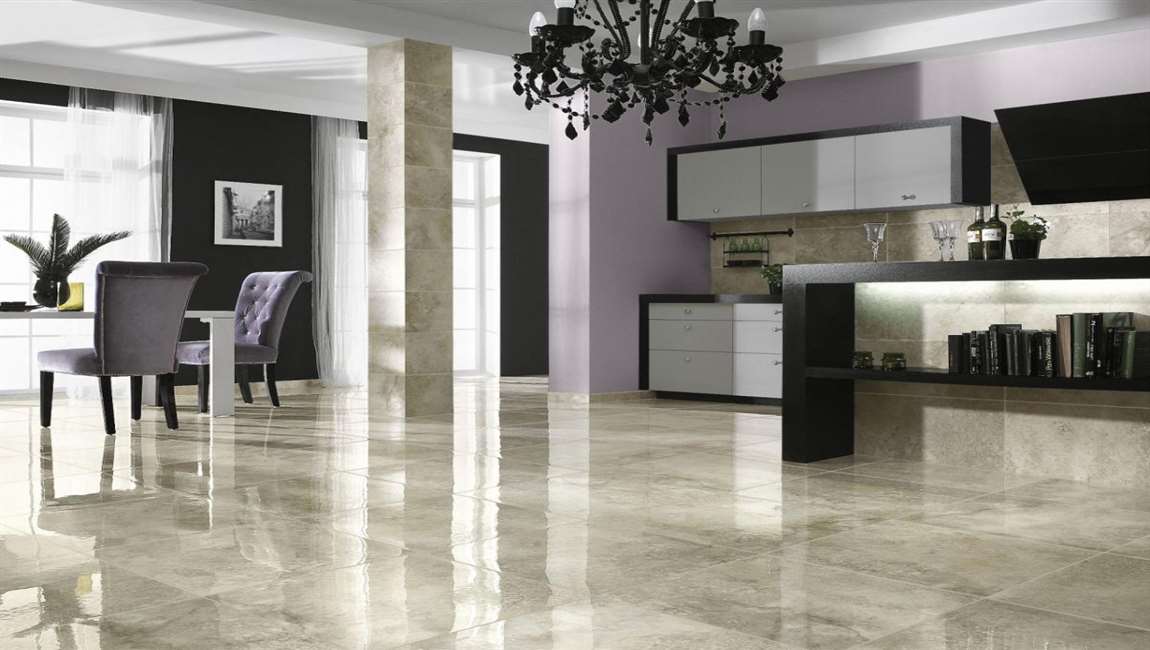 Use your chisel to scrape off the mortar. Set the chisel blade on the surface next to the adhesive mortar. Apply a firm amount of pressure to the chisel, working in short back and forth motions to scrape the mortar off. Once you’ve removed it all, use a vacuum to get rid of the residue. Make sure the surface is completely smooth or else you won’t be able to lay another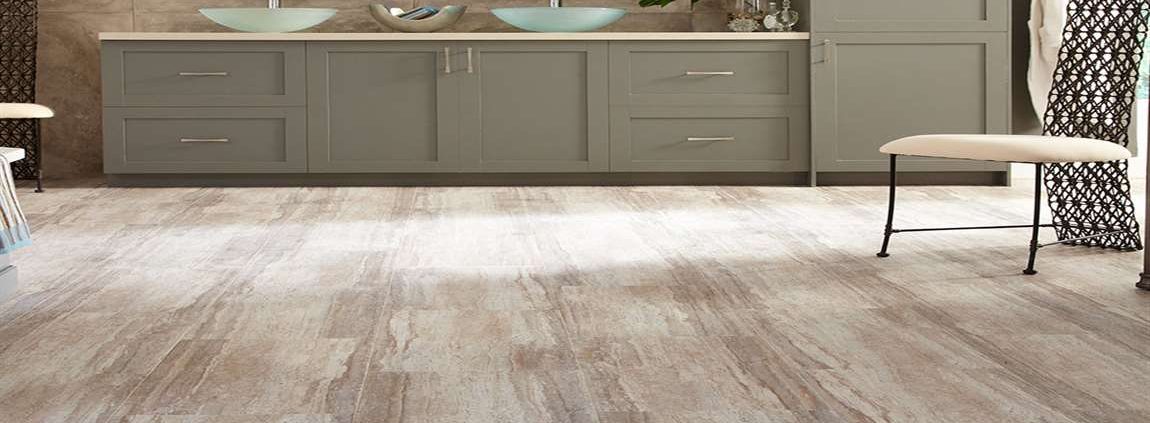
 The proper alkaline or acid grout cleaner. Do not try to get the most aggressive acids or alkaline chemicals. Find an approved cleaner, perhaps at a local janitorial supply house. Mask areas you might be concerned with that could be harmed by chemicals. Stainless steel appliances need to be masked with plastic and taped. Carpet needs to be protected.
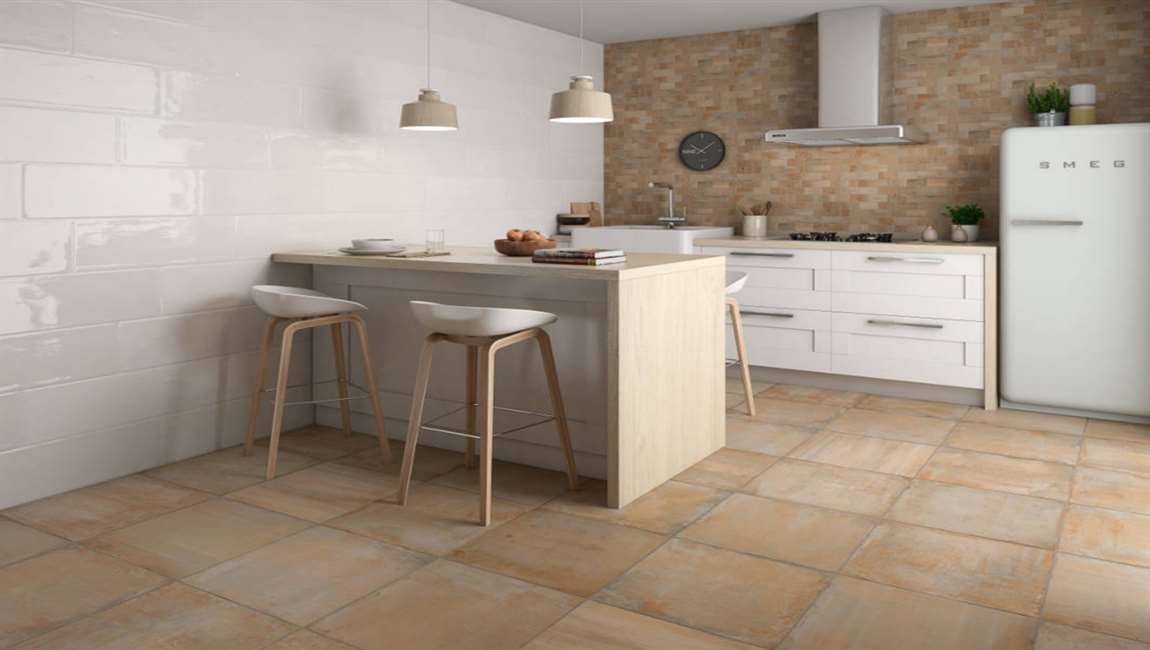 Sweep or vacuum area to be cleaned. Mix cleaning solution according to manufacturers directions. If you want to truly do your best you will use both an acid and an alkaline. If you have heavy grease use the alkaline first, if not use the acid first.
 Apply solution to the grout joint and scrub with the grout brush. Use plenty of solution and let it dwell for at least 10 minutes, but do not let the solution dry. Add more if it is drying too fast, but keep it wet for 10 minutes at least. Your biggest advantage – beside using the correct supplies, is to let the chemical dwell. Dwell time is your friend.
 After 10 minutes mop up slurry with clean water. You may also use a wet vac to remove slurry. Additional agitation with grout brush may be necessary. We suggest using microfiber mops. Repeat process if you are using alkaline as well as acid cleaners.
 When your grout dries, if it is really clean, you may wish to add a sealer. We recommend a water based sealer as they are easier to work with when applying to a grout joint. Take care not to get sealer on the
 Use baking soda. Make a paste with baking soda and water. Apply it to the dirty grout using an old toothbrush. Scrub the paste into the grout well. Wash the grout with warm water when you are finished. Most dirty grout can be brightened using this natural method. For the tougher stains, allow the paste to sit for a few minutes before you start scrubbing.
 Use bleach to remove stains that are more difficult to remove on
 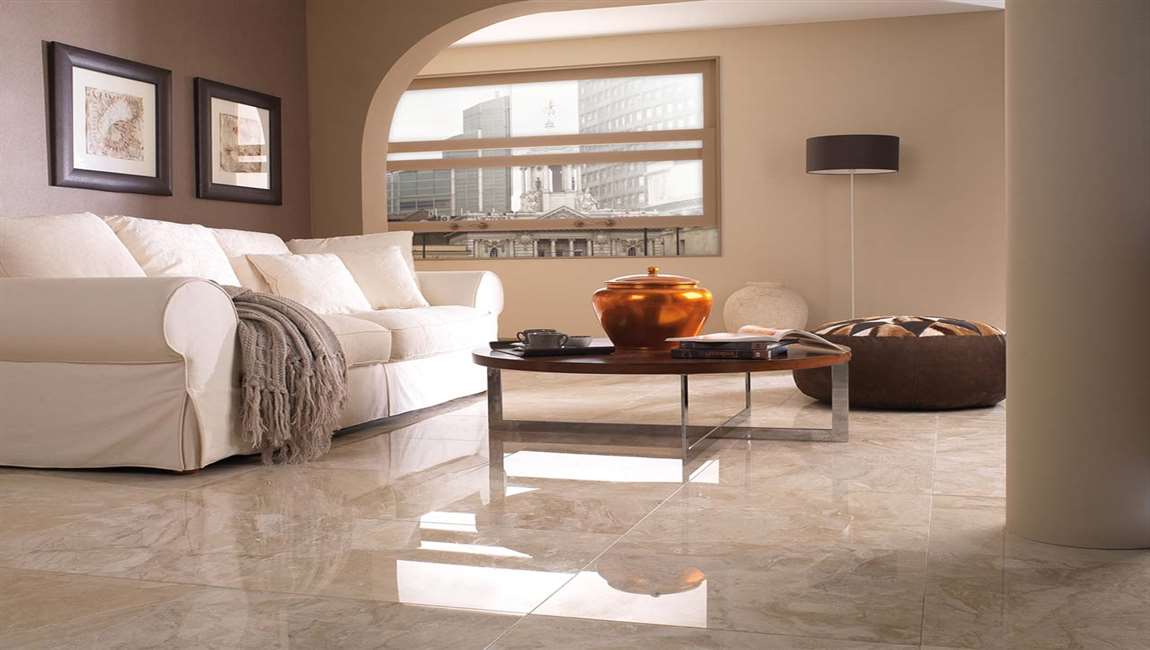 Be careful to not get the bleach solution on the
  If you don’t like using bleach, you may be able to find a commercial grout cleaner that will be stronger than a natural cleaning product. However, check the label to make sure it doesn’t list bleach as an ingredient.
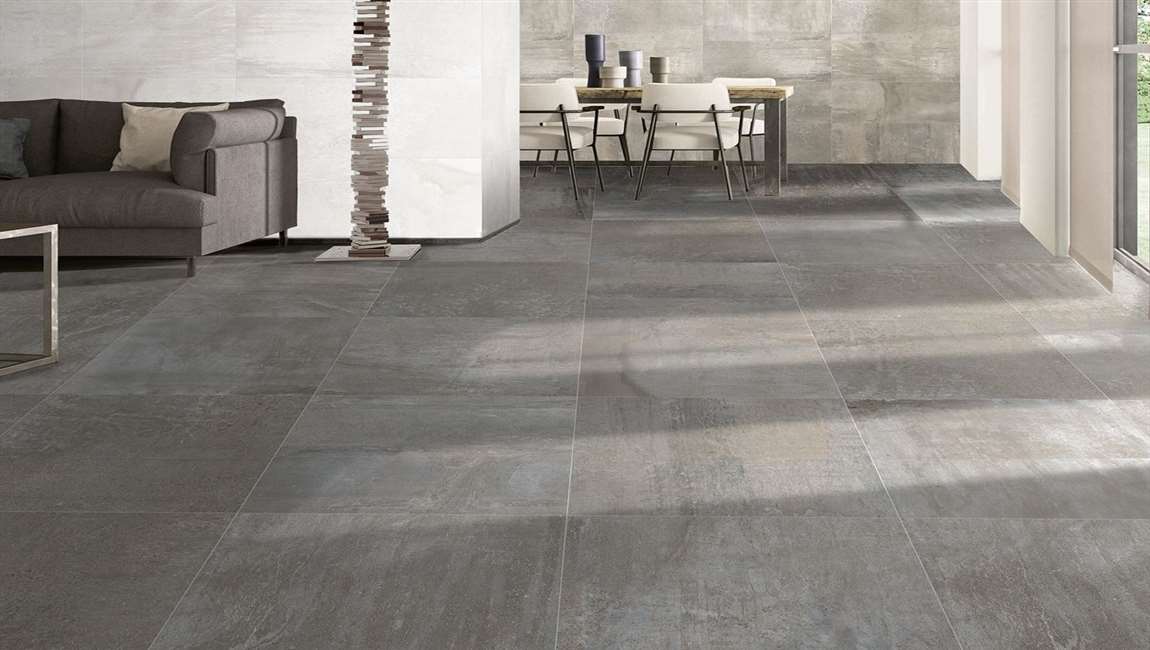 Rinse the floor with clean warm water after you are done washing it. It is important to remove all residual soap from the
  Remove stains from
 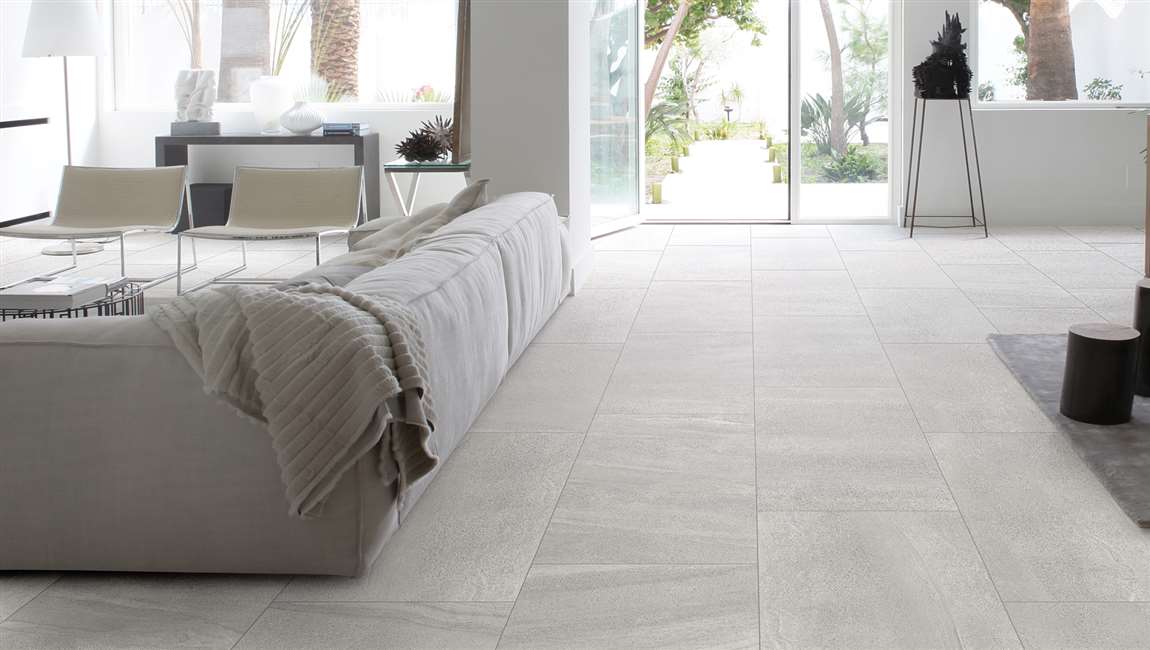 Clean mildew from
  Remove rust spots from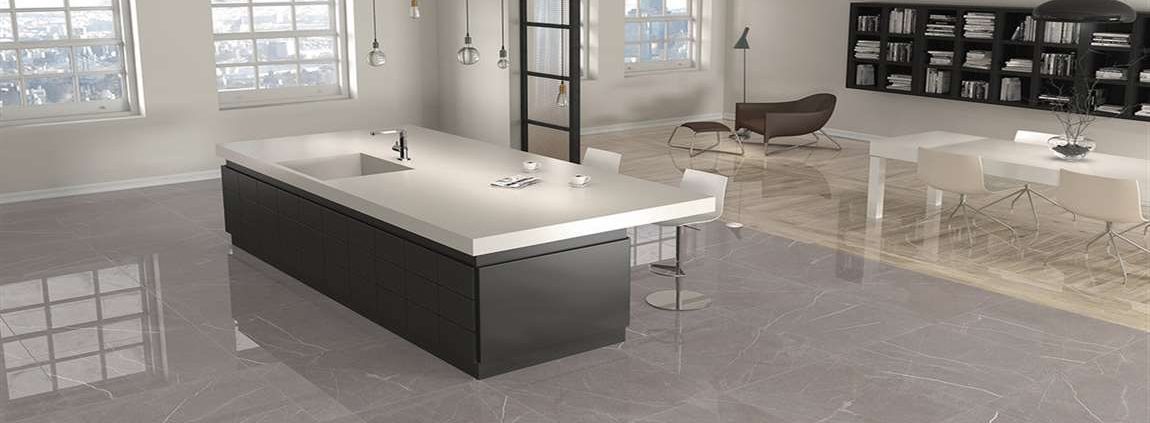
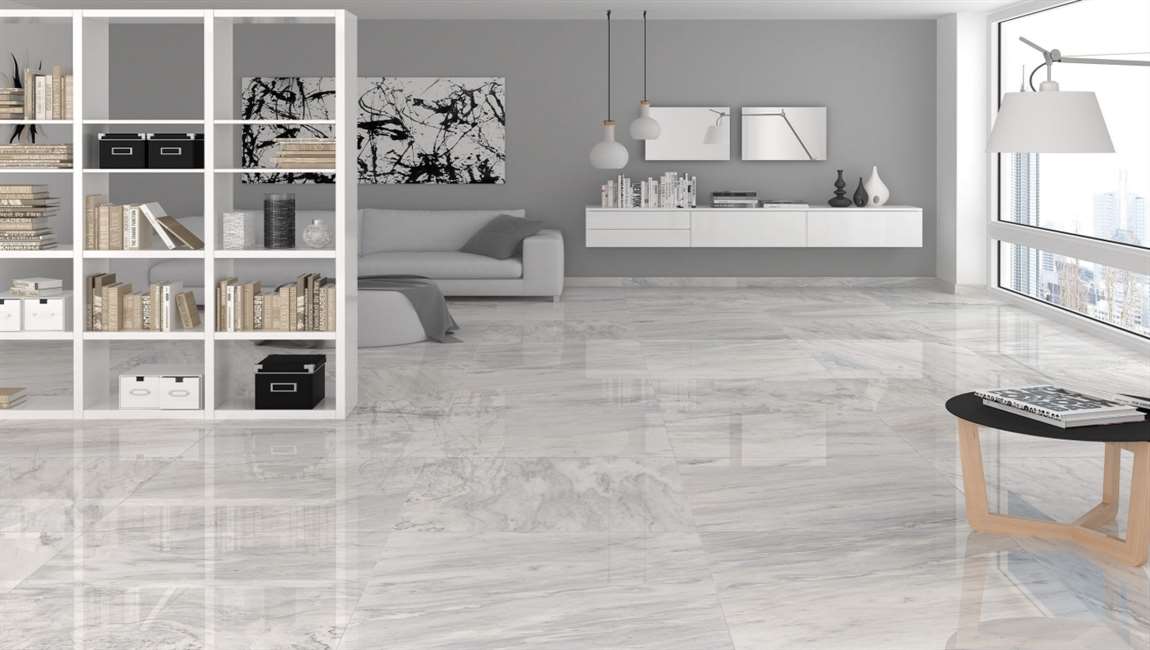 Sweep or vacuum the floor daily. This removes loose dirt, food crumbs and other pieces of debris that can accumulate on
 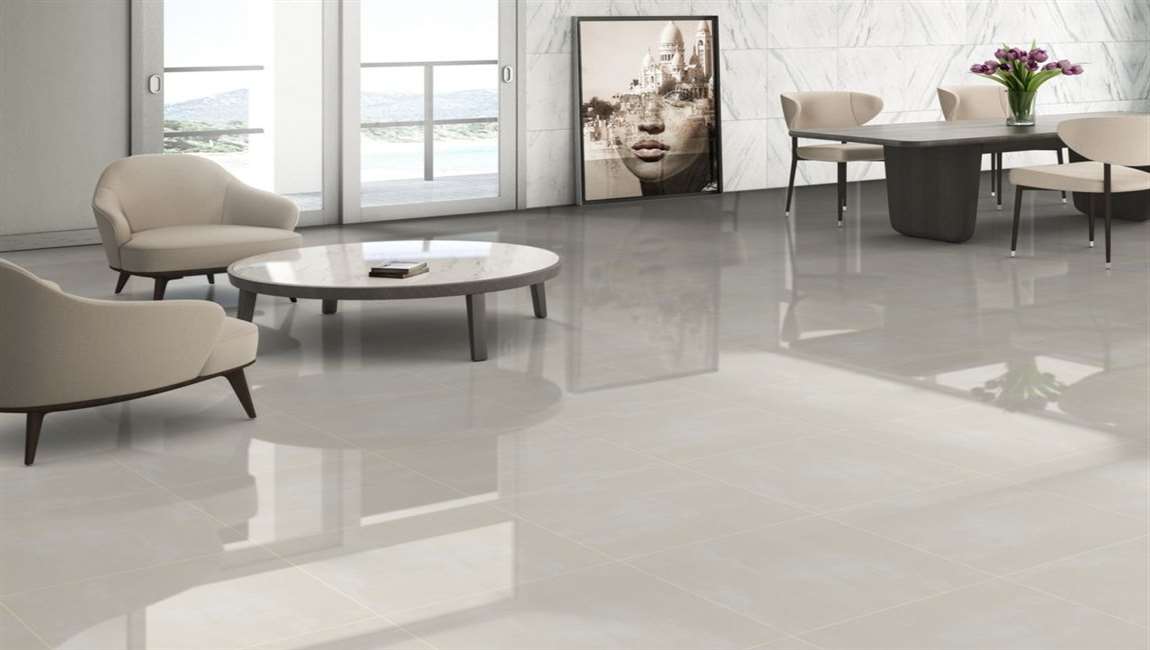 Run a dry cloth duster or dust mop over the floors after they have been swept. If you have marble or natural stone flooring, make sure you use a soft broom for sweeping. A rough broom can scratch natural flooring. Mop the floor with warm water. If the floor doesn’t have stains or require heavy cleaning, running a damp mop over the floor will be sufficient to keep it clean. Cleanse the mop in fresh warm water after mopping one section of the room, and repeat until the entire floor is mopped.
 You may opt to add a small amount of dish soap to the mix to pick up everyday dust and debris. For everyday shine, simply run a clean damp dusting cloth over the floor, or consider using a dry mop such as a Swiffer. Dry the floor. Whether you use water or water mixed with detergent, run a dry mop over the floor in small sections as you work across the room with your mop. This will prevent new dirt from quickly accumulating and staining the grout.
 Clean up spills promptly. If you drop a glass of juice or even water, clean it up right away. The longer it sits, the more time it will have to soak into the grout. Dried orange juice and other sugary liquids also tend to become annoyingly sticky.
 Clean the dirtier spills with disinfectant. If your pet has an accident or you drop raw meat on the floor, spray a disinfectant directly over the spot and wipe it up right away. If possible, limit the disinfectant to the area where the spill occurred. Strong chemicals may degrade or stain
 Removing
  Remove the grout around the
  Hit the
