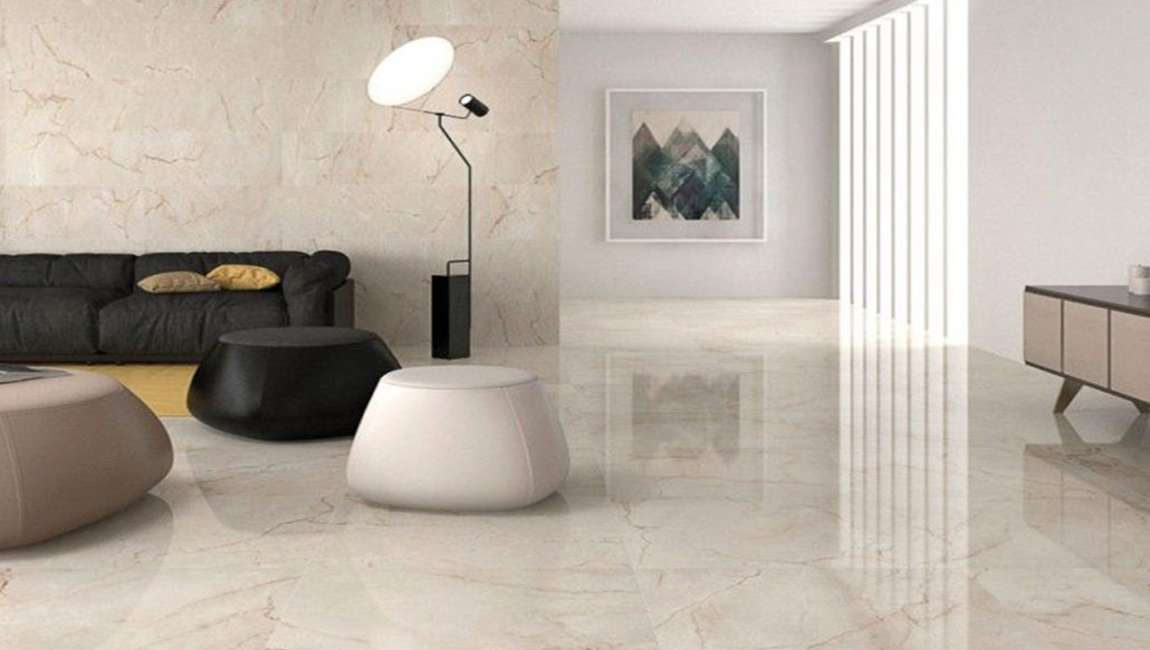
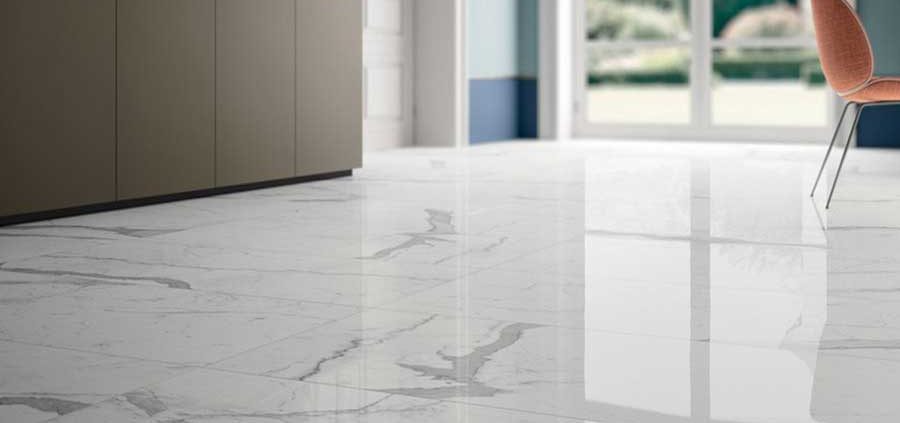
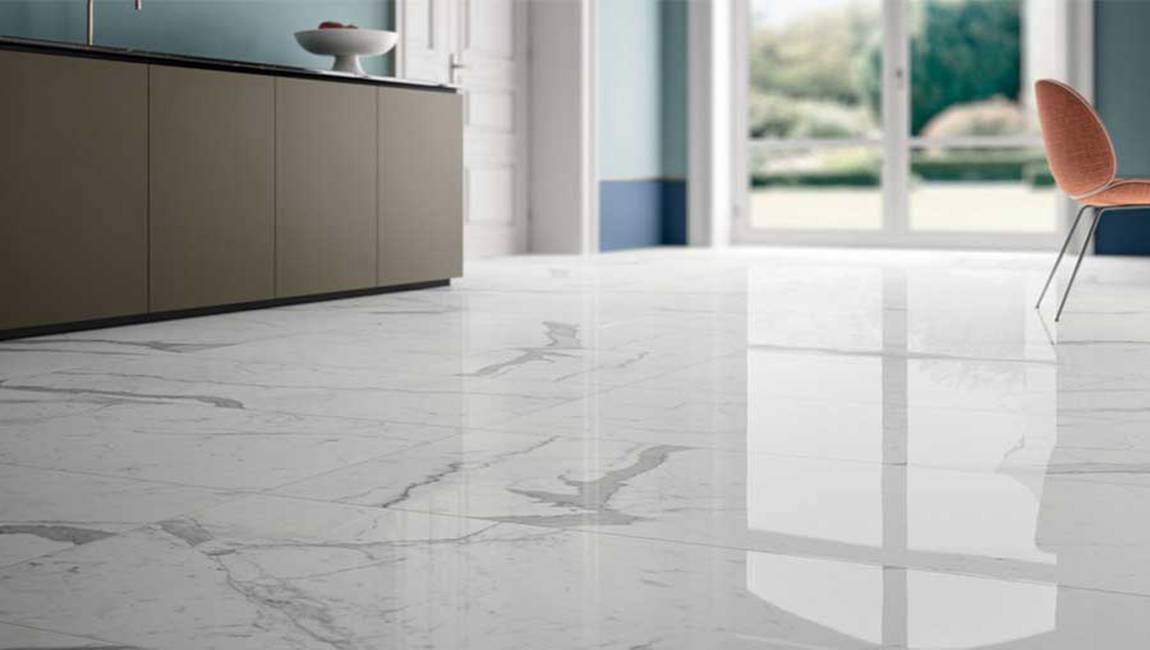
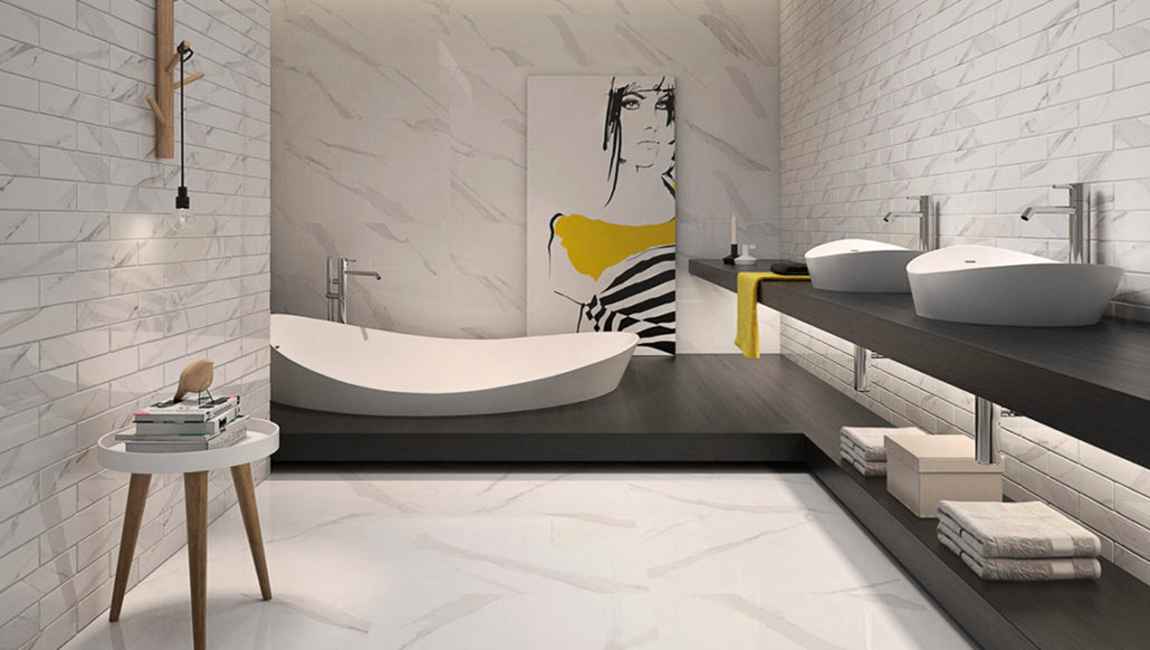
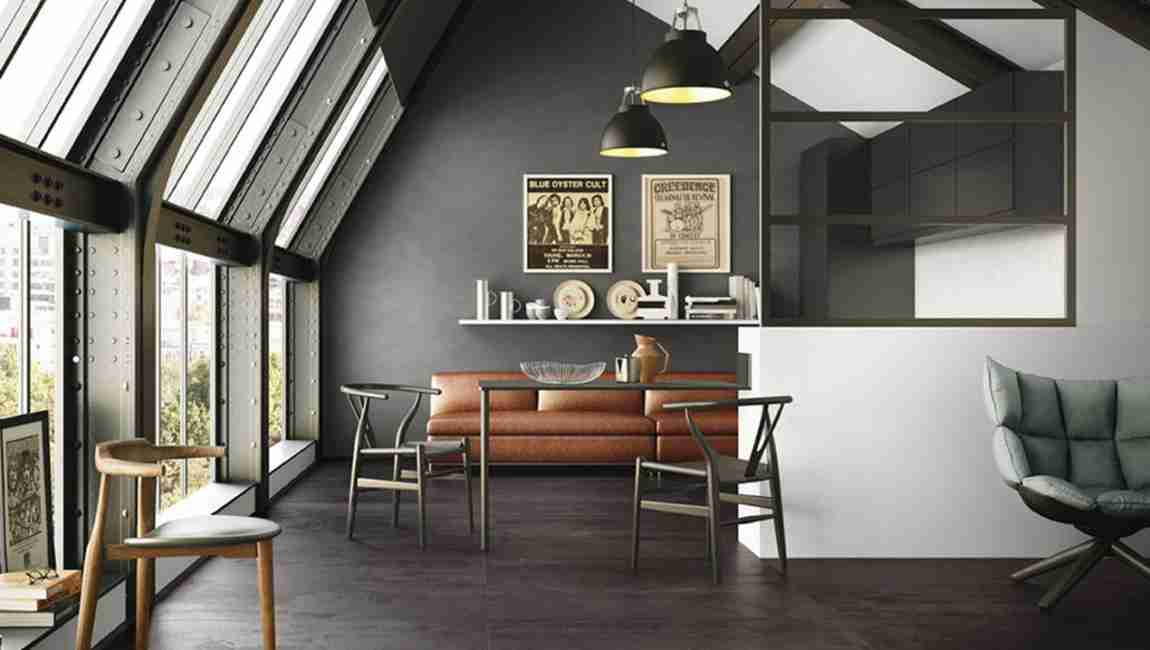
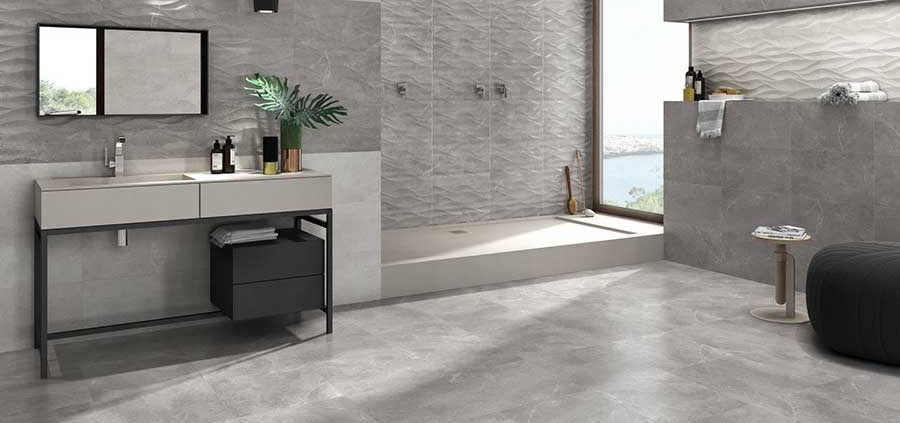
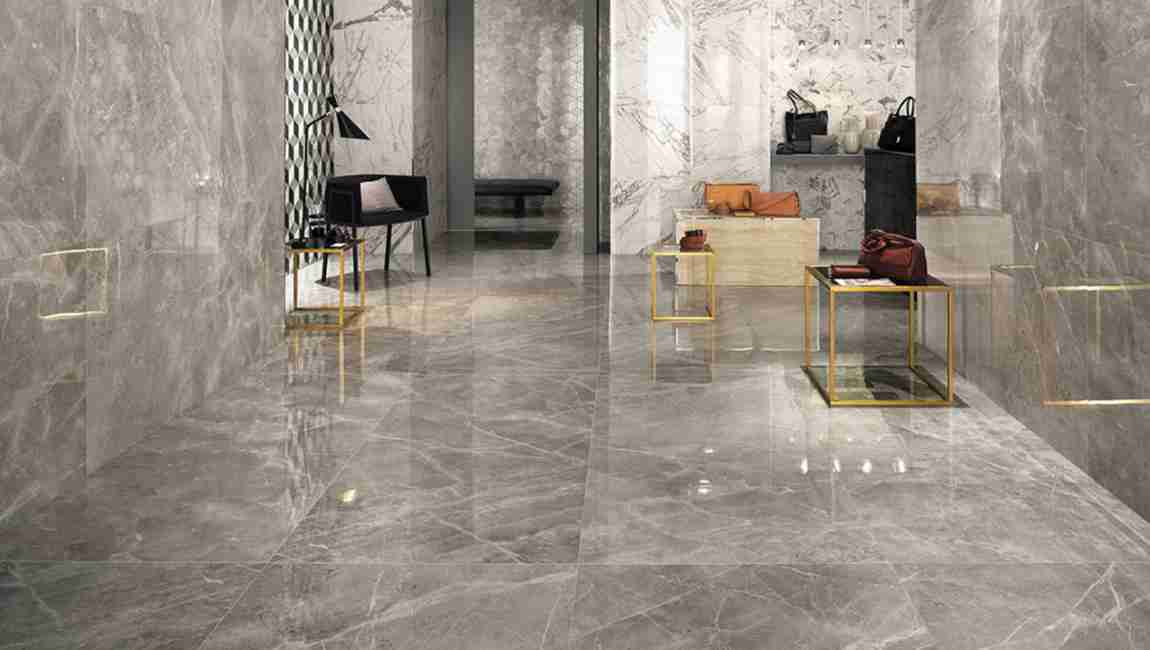
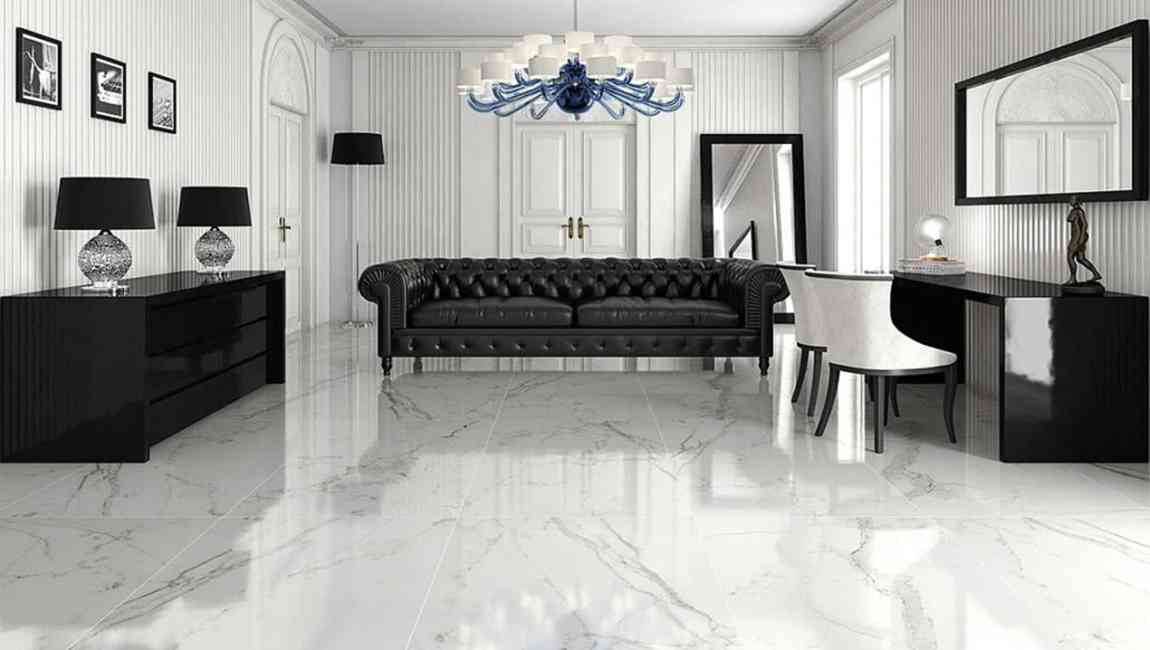
How to distinguish the good and bad of the tiles?

Water absorption reflects the density of marble tiles, and indirectly reflects the hardness of cement tiles, but there is a point need to pay attention, the tiles design are not be the lowest water absorption the better quality is. When purchasing ceramic tiles, we need to pay attention to the smoothness of the kitchen tiles. Poor quality wall tiles the smoothness will be uneven.

The surface of the tiles determines whether the effect is smooth, and the straight test of the edge corner of the tiles are to see if the wood tiles are tidy and the size of the gap is consistent. To test the stain resistance on tiles, we must know that tiles will accompany us for a long time.

The wood marble tiles now have a series of innovations in wear resistance, such as polished tiles, microcrystals tiles, full body glazed tiles, and rustic tiles, which have a qualitative leap. To judge whether the surface is wearable, we only need to pick up the knife or key in the hand and scrape to the surface of the tiles to check if it will scrape the glaze off the surface of the tiles. If such a small description can not be accepted, it can be concluded that this tiles are not a good companion who can accompany us for a long time.

The qualified tiles are usually packed in cartons, and the name of the production plant, the product name, the trademark, the size, the grade, the weight, the color number and the quantity should be printed on the packing box. The national standard stipulates that the surface quality of the superior tiles should be observed at least 95% surfaces at least 0.8 meters without obvious defects. Of course, most of the tiles will be able to reach the standard if they are based on this standard. But we mainly do not look at 95%, but have no obvious defects, from the packing box random checks of several tiles, see the surface of the product has the following defects: ripples, spots, glaze, knock, crack, lack of glaze and so on.

The dust, the debris thoroughly clean, no empty drum, crack and sand and other defects, the smoothness will fundamentally determine the quality of the tiles, good tile workers this step is in place. Before laying the tiles, we need to find the vertical line in advance so that the tiles are uniform and vertical. In addition, the elevation control line should be popped around the wall before the construction, and the cross line is popped out on the ground so as to control the size of the marble floor tiles.

On the basis of the design requirements of the drawings, the color, texture and surface leveling of the glazed floor tiles are selected strictly, and then the pre paving is required according to the requirements of the drawings. The possible size, color and texture errors in the pre paving are adjusted and exchanged until the best effect is achieved, and a smooth stack is stacked smoothly according to the paving.

The surface of polished floor tiles should be wetted before paving. The floor tiles are placed on the cement mortar according to the requirements, and the wood floor tiles are tapped with a rubber hammer until the dense and smooth surface reaches the requirements. It is very uniform when the mortar is smeared. It is to prevent the possible cause of the tile empty, and there is a hole and other tools to smooth the post paving of the cement layer.

What’s the ceramic tiles?

Ceramic tiles are a mixture of clays and other natural materials, such as sand, quartz and water. They are primarily used in houses, restaurants, offices, shops, and so on, as bathroom wall and kitchen floor surfaces. They are easy to fit, easy to clean, easy to maintain and are available at reasonable prices. Ceramic tiles design show good strength and can withstand high temperatures and acidic materials, but are brittle, and weak in tension and shearing. Applications include floor tiles, pipes, bricks, cookware, tableware, sanitary ware, pottery products, gas and fire radiants, kiln linings, glass and steel crucibles, knife blades, disc brakes in vehicles, watch cases, and biomedical implants.

The global demand for ceramic tiles was valued at around USD 72.0 billion in 2018 and is expected to reach around 120.0 billion in 2020, growing at a CAGR of slightly above 9.0%. In terms of volume, the global ceramic tiles market stood at 13.0 billion square meters in 2018.

The demand for ceramic tiles is primarily driven by the growing construction and infrastructure industry. Strong growth of construction industry in emerging economies such as India, China, Brazil and South Asian countries is expected to fuel the growth of ceramic tiles market in the future. Increasing industrialisation and urbanisation has resulted in growing demand for commercial as well as residential buildings in the emerging economies. Technological advancement in the manufacturing of ceramic tiles and availability of abundant raw materials is also contributed in growth of ceramic tiles market.

Floor tiles, wall tiles and others are the key product segment of cement tiles market. Floors tile was the largest product segment accounting for more than 50.0% share of the total volume consumption in 2018. Floor tiles are also expected to be the fastest growing product segment in terms of volume throughout the forecast period. Marble Wall tiles was the second leading segment. Other products segment, including tabletops, facades, countertops, etc. are also expected to exhibit significant growth in the years to come.

Ceramic tiles are widely used in host of application in different industries such as, residential replacement, commercial, new residential, others (facades, countertops etc.). Residential replacement was the largest application in 2018, accounting for more than 45% of the total volume consumed. Demand for wood tiles used for residential replacement has increased due to its potential as a substitute for paints and other products. New residential is also expected to grow rapidly.

Asia Pacific was the largest market in 2018 with more than a 50% share in total volume consumption. Europe was the second largest market followed by Latin America, Middle East Asia & Africa and North America respectively. China, India and Brazil are alos major driving factors for the growth of global ceramic market. Some of the key industry participants in global ceramic tiles price market include Porcelanosa Groupo, Saloni Ceramica, Mohawk Industries, BARANA Tiles price, RAK Ceramics, Kajaria Ceramics, Crossville Inc., Ceramiche Ricchetti, Atlas Concorde, and Florida Tile.

What is the porcelain tile?

Porcelain tiles are ceramic tiles commonly used to cover floors and walls, with a water absorption rate of less than 0.5 percent. The clay used to build marble porcelain tiles is generally denser. They can either be glazed or unglazed. Porcelain tiles price are one type of vitrified tiles, and are sometimes referred to as porcelain vitrified tiles.
Although porcelain has been used for making marble tiles for many years, modern production methods and quantities has made porcelain tiles design available for the average householder in recent years. It has quickly replaced ceramic tiles as the most popular option. Large-scale production of porcelain tile is undertaken in many countries, with the major producers being China, Italy, India, Spain and Turkey. There are also countries undertaking small-scale production, such as Australia and strong growth in Brazil.

The wear rating of the tile can be graded from zero to five according to ISO 10545-7 (also, ASTM C1027) test for surface abrasion resistance of glazed tile, and this can be used to determine suitability for various end use conditions. Polished Porcelain tiles: the dense, hard surface of porcelain has made polishing tiles a viable alternative to a glazed surface. This means that a tile can be fired, then a polish cut into the surface, creating a shine without a glaze. Porcelain tile is much harder than ordinary ceramic tiles and is usually selected, despite its higher price, for its hard wearing nature. Porcelain tile can be used in both wet and dry areas such as bathrooms, showers and kitchens.

Disadvantages of porcelain tiles: Porcelain tile is denser and therefore heavier to handle than other ceramic tiles. For this reason, it is generally more expensive. Being harder, it is more difficult to cut and drill and requires specialist tools, which can hamper fitting and increase costs. Polished porcelain tile may need sealing, where ordinary glazed tiles do not. The glazed surface is coated with less than two microns. There are several ways to cut a porcelain tile. Power tools like an angle grinder, tile cutter, tile nipper, drill bit can be used to do this. However, the most effective way is to use a wet tile saw because of it’s versatility and cutting capacity.

Specialized cements are necessary for installation of porcelain tiles, and in the US specifications, are set by the Tile Council of America and supported by the Tile Contractors Association. Porcelain tiles, being denser and heavier than ordinary ceramic tiles, needs a stronger adhesive to hold the weight on walls. Therefore, typical ready-mix adhesives are not recommended for porcelain tiles. When porcelain tile is first made, it is not absorbent, but the polishing process for making the unglazed surface shiny cuts into the surface, leaving it more porous and prone to absorbing stains, in the same way as natural stone tiles. Unless they have a suitable, long-lasting treatment applied by the manufacturer (for example, nanotech treatment), polished porcelain tiles may need sealing. Porcelain tiles sealants are either solvent-based or water-based, which is cheaper, but does not last.

Testing items for tiles

Hardness. The hardness of tiles determines the key performance of tiles, especially floor tiles. Hardness: 1-7, polished tile general 7, throwing glaze is generally 5-6, Microcrystalline stone is generally about 5, porcelain is generally 3-4, etc. Certainly, the determination of tiles hardness has a great relationship with production, such as firing time, temperature, press tonnage, material fineness. Floor tiles are larger than wall tiles, and polished tiles are more flexible than glazed tiles design. The greater the hardness, the stronger the durability of tiles. However, the hardness is also large, and the processing is difficult.

High destructive strength. Good strength of tiles crack resistance, the national standard tiles compressive strength is not less than 35Mpa, 1200N, equivalent to 120 KG people standing on the foot size of the area, the higher the tiles strength, the better resistance to weight and pressure.

Water absorption. This index can be divided into two categories, one is ceramic tile, the other is porcelain tile. Ceramic tiles water absorption rate will be high, generally about 20 percent have, low also has 5-10 percent, because there is water absorption, you can and cement well combined to prevent falling off. Porcelain tiles water absorption is relatively low, generally less than 5 percent, now many glazed tiles surface is glaze, water absorption is below 0.1 percent.

Water absorption determines the antifouling performance of cement tiles, low water absorption, weak absorption capacity, and it’s good for daily use. Inspection method: The actual effect of more than 10% water absorption is to pour a cup of 150 ml water behind the tiles, after 3 seconds, water will all infiltrate the tiles. According to the standard, tiles are divided into porcelain tiles (water absorption rate E < 0.5%), fine stoneware tiles (water absorption rate 3 < E < 6%) and stoneware Ceramic (water absorption rate 6 < E < 10%). Ceramic tiles (water absorption of more than ten percent). The inspection method should be tested on the back of the tiles.

Planeness. The level of tile surface is measured by edge curvature, middle curvature and warpage. Size is based on intuitive judgment can be, check the size of a batch of tiles is roughly the same, can better fit together, color difference is small, size regulation is top-grade. Flatness is more important to the display effect of the tiles, which is also the reason why the tiles manufacturers pay more attention. Evenness is different because of different tiles. Glazed tile is slightly worse than polishing tiles, and rustic tiles are less than polished tiles design, need to leave a gap when paving tiles. The national standard stipulates that the error is within zero point five percent.

Wear resistance. This parameter is slightly different from the hardness, and the testing method is a little different. A tile wear test is carried out on a specified wear tester according to the prescribed procedure, and the volume of the marble tiles are measured. 150 is a lower standard. The wear resistance of domestic first-line brands is generally less than 130, and good varieties reach 110. 150 is equivalent to the quality of the three line brand. The higher the wear resistance is, the more durable the tile is, the easier to non wear-resisting lay it on the floor.

The wear resistance of tiles used in public places must be less than 120. The wear resistance of tiles is divided into 1-5 grades by wear resistance test. If you want to save worry, you need to pay attention to the tiles wear resistance coefficient. Good cold resistance. It is a sign to judge whether tiles can be used normally in the climate with large temperature variation. This index deserves special attention in the climate with large temperature difference between day and night in the north. The performance is mainly for porcelain tiles and outer wall tiles, and ceramic tiles, which are easy to absorb water and crack.

Advantages and disadvantages of polished tiles and porcelain tiles

Polished tile design is a bright tiles design made of polished surface of the full body. For the full body tiles, the surface of polished stone tiles should be much more shay. For the full body tiles, the surface of polished tiles should be much more bright. Polished tiles price are hard and wearable and suitable for use in most indoor spaces except bathroom and kitchen. On the basis of applying the technology of soluble salt floor tiles, polished floor tiles can make all kinds of imitation stone and imitation wood effect. The polished tiles are easy to dirty and the skid resistance is not very good.

The advantages of polished tiles: No radioactive elements. Natural stone is a mineral, not sintered at high temperature, so contains a few trace radioactive elements, long-term contact will be harmful to the human body. Polished tiles will not cause harm to the human body. Basically, there is no chromatic aberration: Natural stone has great color difference due to its diagenesis time and rock depth. Polished tiles are carefully blended and the colors of the tiles are the same as those of the batches without color difference.

Bending strength is high: Natural stone has different compactness and strength due to its natural formation, forming time and weathering. The polishing tiles are pressed by thousands of tons of hydraulic press and sintered at high temperatures above 1200 degrees. The polished porcelain tile is thin and light. Because of its low strength, natural stone is thick and bulky, which increases the load of floor buildings, poses a potential threat, increases the cost, and increases the difficulties of transportation and paving.

Disadvantages of polished tiles: It is easy to dirty, which is caused by concave and convex holes left by polished tiles. These pores will be filthy, and even some of the tea will fall back on the polished tiles. Aware of this, later some good quality polished marble floor tiles were added with a layer of antifouling before leaving the factory.
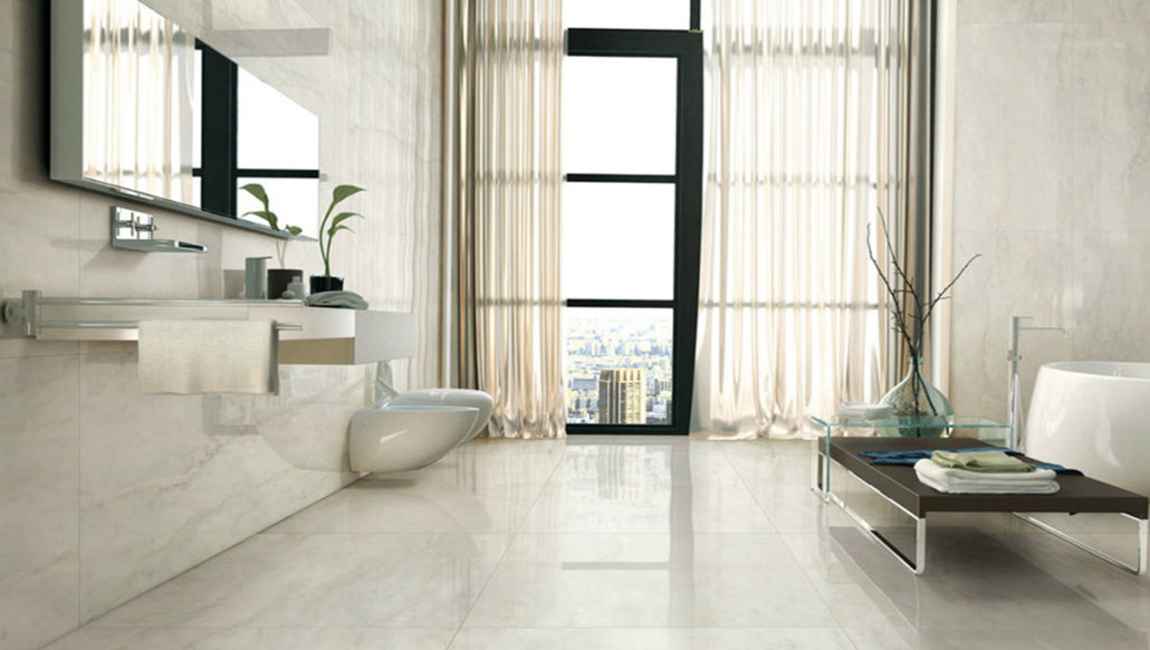
Regular neutral detergent to clean the surface, remove general stains, can not use any strong acid detergent, otherwise it will burn the surface of the crystal layer of polished tiles, resulting in marble tile surface non-anti fouling. Crystal face care for neutral crystal facets. Special stains such as tea stains, fruit stains, coffee stains, ink stains, etc. you can be used high purity content of 27.5% or more of H2O2 with paper towel covering, soaking 2-3 hours to remove.

Porcelain tiles: Because of the difference in manufacturing process, its density is higher than ordinary marble floor tiles, its surface is smooth but does not need polishing, so there is no problem of polishing pores. Porcelain tile is a kind of reinforced polished tile, which is made by firing at high temperature. Texture is harder and more wearable than polished tiles. Polished tile is a kind of bright tiles made from the surface of the full body tiles, which belongs to the full body tiles. Glass polished tile is obtained by mirror polishing, because of the low water absorption, its hardness is relatively high, not easy to scratch.
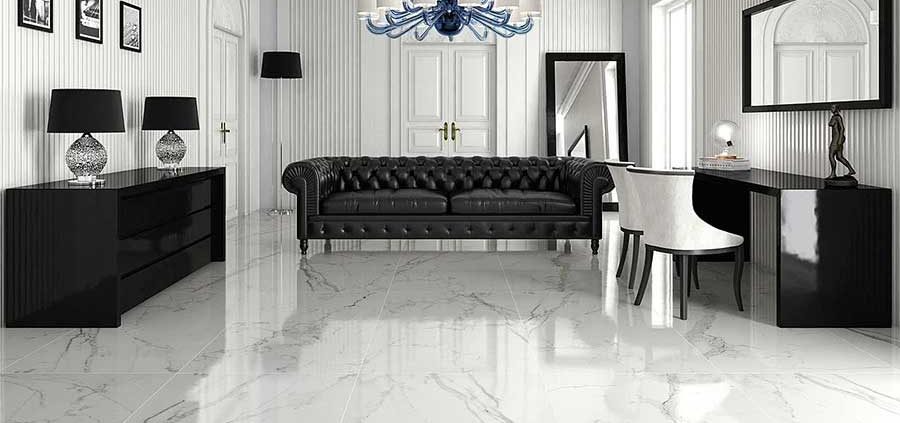
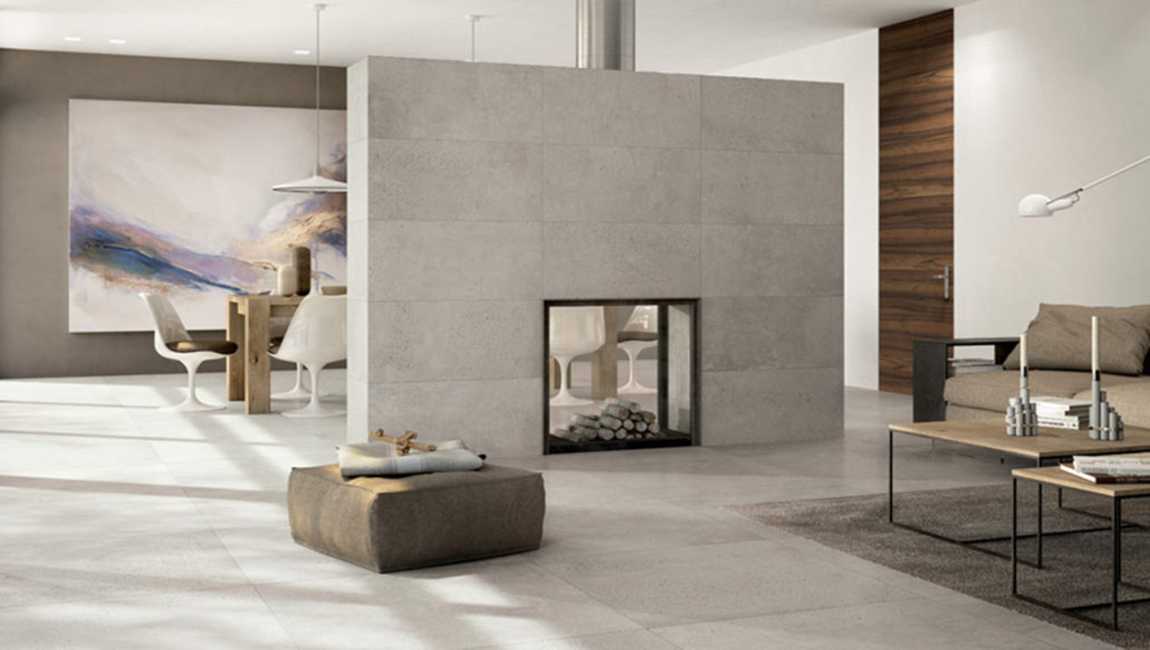
Porcelain tiles are bright and soft with no obvious chromatic aberration. But the natural granite has larger chromatic aberration due to the diagenetic time and the depth of the rock. No harmful elements. Granite is a natural mineral, buried in the deep crust for a long time, without high temperature sintering, so contains trace radioactive elements, such as long-term contact will be harmful to health.

The thickness is relatively thin, the bending strength is high, the cement tiles are light and the weight of the building is reduced. Natural granite is low in strength and bulky, which increases the load of buildings, and brings a series of difficulties in transportation and paving. Flexural strength is greater than 45MPa. The flexural strength of granite is about 17-20mpa. Mullite and other crystals have been produced by high temperature sintering and complete ceramization. The physical and chemical properties of the crystals are stable, corrosion-resistant and stain-resistant.

What should I pay attention when choosing wall tiles?

Wall tiles are indispensable part of the material when decorating at home, kitchen and bathroom walls will use marble wall tiles, and some living room television background wall will choose to paste wood wall tiles as decoration, which is enough to illustrate the universality and importance of Wall tiles. Most people make mistakes when choosing wall tiles.
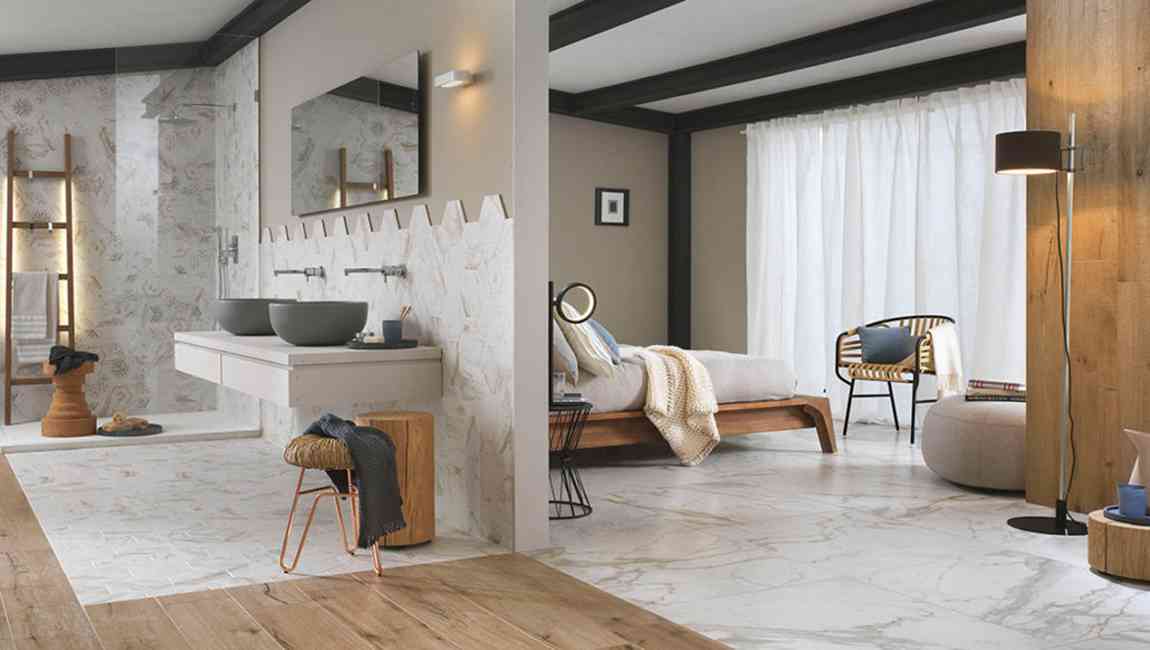
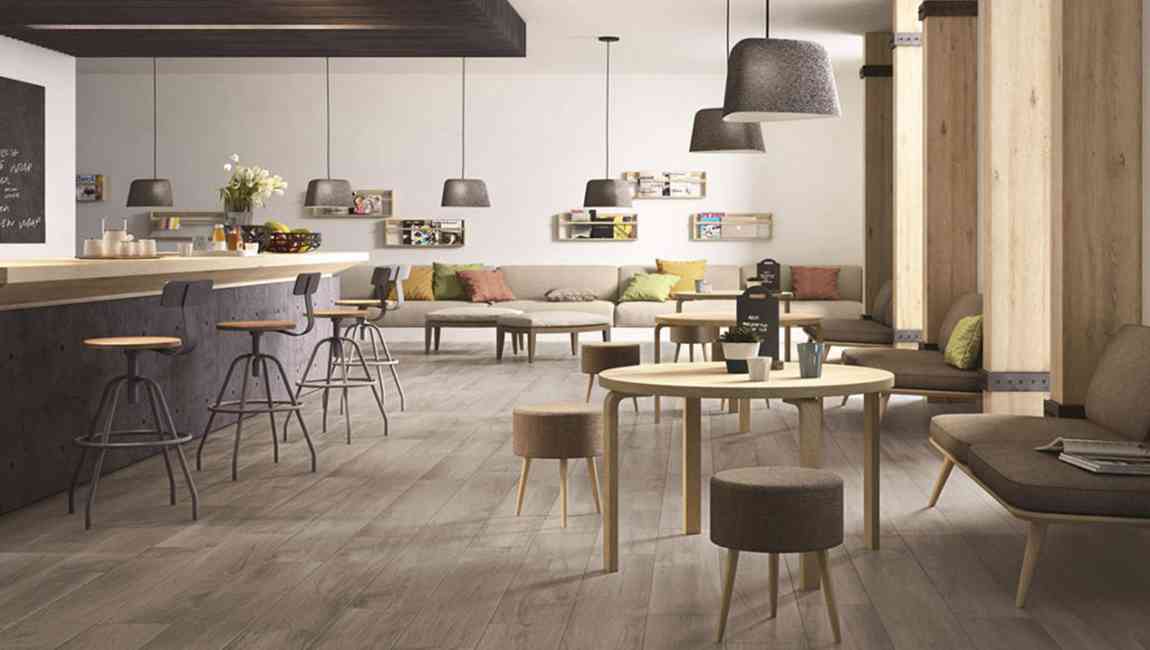
Think that bright tiles can enhance indoor lighting. Most families and office buildings tend to use brighter tiles for decoration, because bright tiles not only make the room look rich and bright, but also to some extent make up for the lack of daylighting. Bright polished tiles and some rustic tiles have a light reflection coefficient of up to 90%, while ordinary white walls have a light reflection coefficient of about 70% and a mirror glass of about 80%. If long-term living in a room with a smooth floor tiles environment, light reflection will make the eyes very tired, and even lead to visual function decline, so domestic tiles not recommended to use too bright tiles.
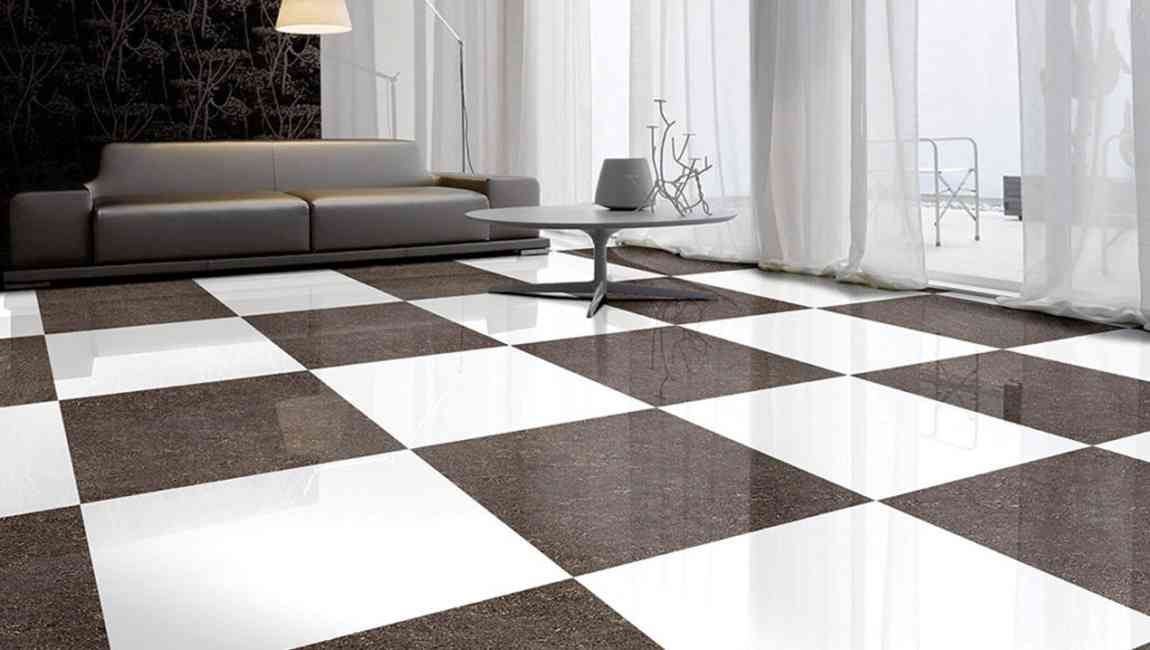
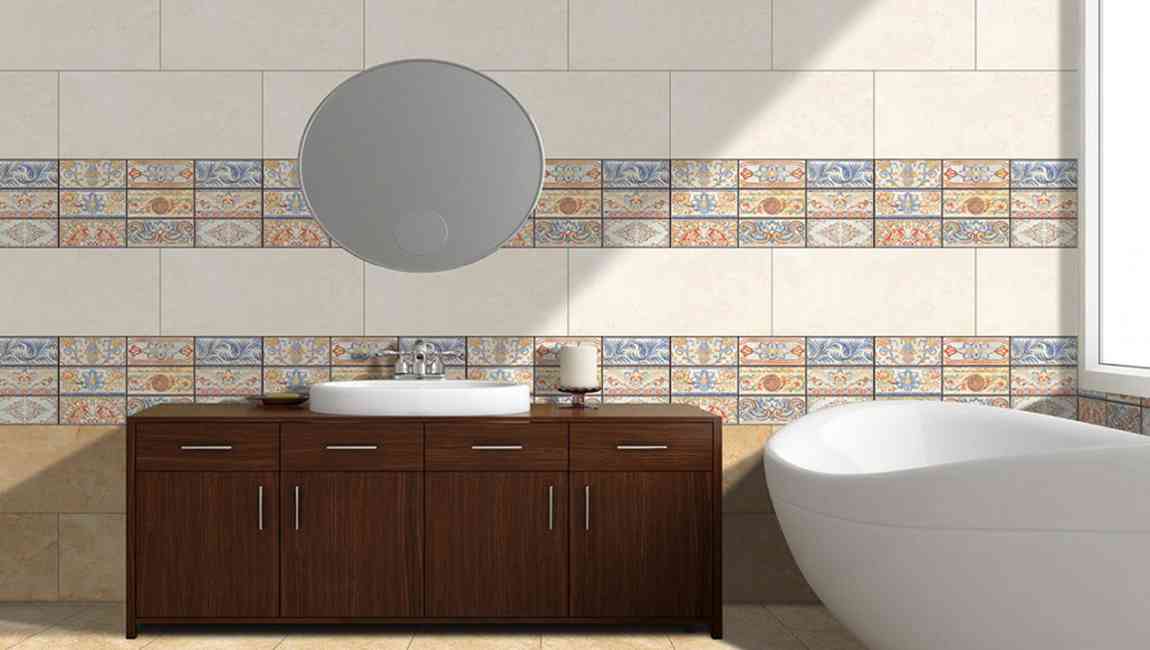
Do not blindly match the waist line. In daily household decoration, the edge of the wall is often decorated with waist line tiles. It can add a sense of hierarchy to the space visually, and reflects the owner’s personality, taste and interest in life. It is quite popular with the public. However, it should be noted that although the personality is very beautiful, but the waistline tiles are not always applicable.
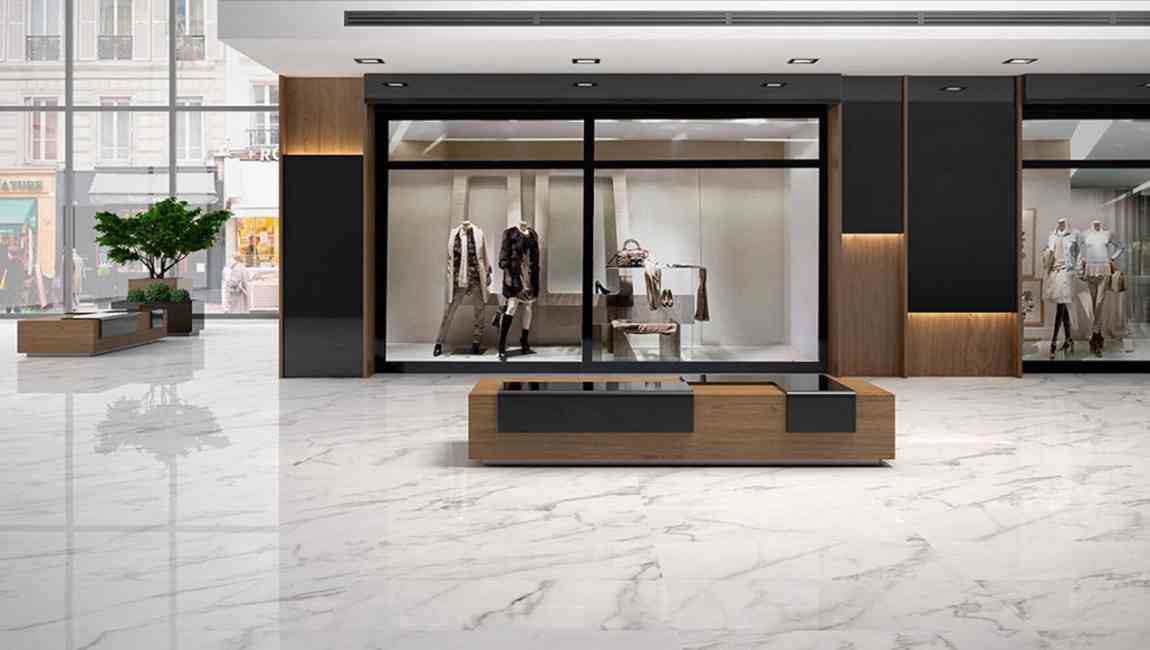
There are two common cases that are not suitable for paving the waist line: first, the height of the bathroom is not enough, paving the waist line will make the overall space is divided, the original not high bathroom appears even lower. Second, the kitchen area is small, or the use of the entire bathroom cabinet family, cabinet height and waist line height are almost 80-90 cm, waist line just appeared on the top of the bathroom cabinet counter not only no decorative effect but also messy.

Thick small tiles are better than thin marble tiles. Many home decoration tiles are thicker and better quality, so consumers tend to form an inherent idea that thicker things are more realistic, in fact, the market of thick floor tile than thin bathroom tiles are more attractive, and the specifications of the larger floor tiles thicker, and the same specifications of floor tiles than wall tiles thicker. As far as the use value is concerned, the greatest value of bathroom tiles or decorative effect, as long as the carrying capacity and anti-destruction ability to meet the standards, too thick floor tiles are not actually environmentally friendly.

The styles of tiles are too mixed. Whether it is avant-garde or national style, too chaotic wood tiles are not suitable for a daily living environment, with more patterns and colors as the standard to purchase tiles. Finally, it is easy to decorate a pot of chaotic stew of the home, colorful, beautiful design is not the same as suitable for your home, but will cause a sense of living discomfort.

How to calculate the price of floor tiles?

Tiles are indispensable decoration material in modern home decoration, and the floor area is large. It is precisely because of a large number of demand has been stimulating the tiles design industry to promote the old and bring forth the new, the marble tiles on the market is very diverse, the price is also very different.

There are two ways to sell floor tiles: sold by block or sold by square meters. Before purchasing tiles, you should calculate the area of wood marble tiles which needs to be laid before decoration. Some building materials stores have conversion charts. As long as you know the area to be laid, you can find out the number of tiles needed. Some conversion charts are simpler, as long as you know the length and width of the area pasted can find the number of tiles needed. Some floor tiles boxes will also list the size of a box of tiles.

Usually, 640 tiles are needed to cover an area of 80 square meters and 320 tiles are needed to cover an area of 14 cm by 14 cm and 20 cm by 20 cm by 20 cm. Another thing to note is that ceramic tiles tiling will have a certain amount of wear and tear, so prepare the amount of this part. This formula can also be used to roughly calculate the amount of tiles required: (decorative area per tile area) X (1 + 3%) is the number of flooring tiles required for construction, of which 3% is the construction loss.

In addition to the main material of tiles, ordinary cement, white cement, medium sand, 107 glue and so on are needed for ceramic laying and pasting. Usually a 12.5 square kilogram of cement and 34 kilograms of medium sand are needed for laying a square floor tiles. After the tiles are finished, it needs to be sealed with white cement, about 0.5 kilograms per square meter.

The common marble tiles are 200 *200mm, 300 *300mm, 400 *400mm, 450 *450mm, 500 *500mm, but there are other larger floor tiles. In terms of production technology, floor tiles are mainly divided into two types: block tiles and glazed tiles. Among them, body wood tiles are divided into anti-skid tiles and polished tiles, but polished tiles design of the same color are about 1.2 times more expensive than non-skid tiles.

It has become an unwritten rule that the wall and floor of bathroom decoration should be all tiled. In fact, bathroom tiles can have other functions in bathroom. Because the environment in the bathroom is humid, so if you want a locker, you might as well use cement tiles directly. The bathroom tiles lockers are easy to clean, strong and durable, and are more adjustable with the walls and floors tiles. Of course, it is also a good idea to use tiles to build a bathtub or shower screen.

How to choose bathroom floor tiles?

The floor tiles of bathroom is bathed in water almost every day, humidity is very heavy, so when do household decoration, what kind of floor tile design should bathroom use is better? Choose bathroom tiles with low water absorption. High quality tiles deign, low water absorption, so that it can quickly dry. If the marble tiles does not indicate water absorption, you can use water droplets on the back of the tiles price, a few minutes later to observe the diffusion of water droplets, the less water absorption, that is, low water absorption, better quality. The water absorption of wood floor tiles in bathroom is around 1%.

Choose high density tiles. When purchasing bathroom tiles, you can observe from the side whether the tile surface is flat, whether there is uneven thickness of pinholes. Bathroom tiles can be tapped to listen to whether the sound is crisp, the more crisp the sound, indicating that the tiles of high density of texture, better hardness. Such tiles are laid in the bathroom, which are not easy to damage, but also easy to maintain and clean.

Choose dry and wet decoration. That is to say, the separation between shower area and sitting toilet and basin area. Through the different bathroom tiles material and color varieties, to achieve a good division, so that the two do not interfere with each other. Choose light colored tiles. Light colors make the bathroom look more spacious and bright. When choosing, place tiles on the same color and pattern from outside 0.8m. Bathroom tiles choose to pay attention to whether it is marked in line with the state promulgated green health standards and other signs or text, remember not to buy three marble porcelain tiles products.

Choose smaller tiles. The decoration materials for the wall and floor of the toilet are glazed tiles, polishing tiles and mosaic. The specifications for floor tiles are 300*300mm and 330*330mm. Bathroom usually 2 to 4 flat, even if the bathroom area is large, do not use large specifications of floor tiles. Solid floor tiles cutting frequency is too high, waste is greater, inconvenient floor leakage, inconvenient ground leveling, resulting in waste.

Choose glazed tiles with thicker layers. The surface of the tiles can be scratched with hard objects. If there is scratch, it means that the glaze is not enough. When the thin glaze on the tile surface is polished, the wood tiles surface is easy to hide dirt, difficult to clean up, and lack of security. And some unglazed flooring tiles, generally not suitable for laying in a humid and airtight environment, solid cement tiles on the stomatal water vapor and can not diverge, will also lead to the emergence of mold.

What are the matters needing attention in the balcony tiles paving?

Balcony as a place of leisure and contact with the outside world, decoration or not will directly affect the degree of beauty and comfort of the room, so when decorating the balcony wood tiles, not only to consider the beautiful design should also pay attention to practical and comfortable.

The selection of balcony cement tiles must be moderate. The decoration of the balcony is different from the decoration of other space in the room, because the space of the balcony itself is relatively small, and the style of the balcony seems to be more compact, so if you also like decoration bedroom living room to choose some large specifications of small tiles, it may not have a very good decoration effect.

Balcony tiles design selection should pay attention to, it is best to choose some small and medium-sized tiles price, so that the overall style of decoration will be more beautiful, and will look more compact, will not have a narrow feeling, this must be noted.

The color of balcony marble tiles should be carefully when you chosen them. Balcony floor tiles color selection will directly affect the style of balcony decoration molding, so the choice of polished tiles color are also very important, so must not be careless in color selection. Balcony tiles color selection must be in line with the choice of the external wall style, and the choice of balcony tiles are not suitable for some too gorgeous color. Some light and elegant colors look better overall, this point in the selection of balcony tiles must pay attention.

Balcony tiles decoration layout should be compact. Balcony tiles installation is also a very detailed requirement, must be installed very compact, can not be arbitrary. Before decoration, the whole balcony should be carefully measured where tiles are needed, and the number of tiles to be installed should be accurately measured, and careful layout and design should be carried out beforehand, then attention should be paid to the installation according to the predetermined design situation, so that the finished product will be better.

The choice of balcony tiles is the most basic work of balcony decoration, and the installation of balcony tiles is the most critical part of the whole balcony decoration, the two complement each other. In the decoration of the balcony, from the above aspects to do a good choice of balcony tiles and collocation, the decoration of the balcony whether the overall image or style is sure to withstand inspection and appreciation.

The secret of tiles

The marble tiles are one of the main materials we need when decorating, but when selecting tiles design, is there have any way to choose tiles, what are the points of attention about tiles price, how should professionals person to buy tiles? When buying kitchen tiles, first of all, to distinguish the use of the place, secondly to understand the various parameters of tiles, and then to know how to distinguish the quality of tiles, and finally do not greedy cheap, to buy a good quality small tiles.

There are many kinds of cement tiles, different types of tiles characteristics, advantages and disadvantages are different, different places on ceramic tiles requirements are different, according to the characteristics of tiles and the use of place to buy ceramic. The kitchen need anti dirt and anti slip floor tiles, and the living room needs bright and nice tiles. In addition, the requirements for floor tiles and wall tiles are different.

The parameters of each tile are different. Knowing these parameters can help you choose the most appropriate marble tiles design. The water absorption rate of tiles, the national standard is flooring tiles to be less than or equal to 0.5%, the water absorption rate of internal wall tiles design between 10% and 20%. The tiles wear resistance, different tiles wear resistance is different, according to the use of different site requirements are also different. The length and width error, size and right angle of tiles need to be clearly understood.

The choice of wood marble tiles are not only in good color but also in good quality. Then how to detect the quality of wood tiles? The simplest way is to see whether the surface of the tiles are flat, gloss is not high, whether the pattern is clear, whether the cut surface is neat. Then tap the polished tiles again, and the crisp and continuous bath tiles are better. At this time, you can also weigh the weight of the tiles at the same time, the better the quality of the heavier tiles.

Finally, the method of dripping to test the water absorption of tiles, as well as the way to test the load-bearing capacity by pressing, using a pen to write on the tiles, testing the wear resistance of the tiles. The price difference of tiles are bigger, do not believe the tiles with discount sale easily. There are many discount information just to attract customers, but the quality is not necessarily good.